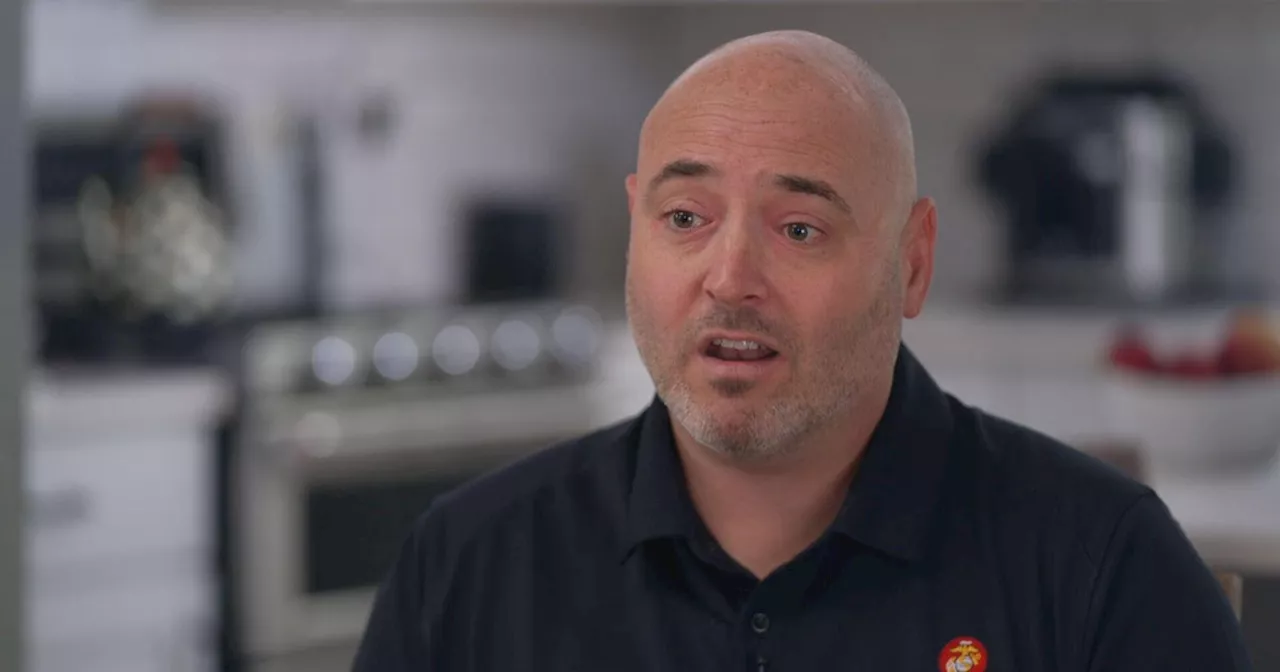
In an era where information is abundant, maintaining a healthy media diet is crucial for informed political engagement. Rich Howell, a resident of Nevada City, emphasizes that just as successful dieters organize their kitchens to support healthy eating, individuals must curate their media consumption to foster mental and political well-being.
Howell argues that a disciplined approach to media consumption can lead to wiser decisions and actions that align with one’s core values. He compares engaging with media to consuming food, noting that reliance on sensationalized content can lead to poor mental choices. “Much of what is blasted out by media is just noise, irrelevant to our day-to-day lives and wisely ignored or simply put aside,” he states. This perspective highlights the importance of discerning which information deserves our attention.
The modern media landscape, encompassing cable news, the internet, and talk radio, often prioritizes engagement over substance. Howell points out that many media outlets deliver quick bursts of fear, anger, and partisan rhetoric, which can manipulate audience behavior. In contrast, he advocates for a more thoughtful approach, where individuals consider the value of the information they consume.
Engaging with Media: A Scientific Approach
Howell draws a parallel between intelligent voters and scientists. “Intelligent voters are scientists. They take in a great deal of ‘data,’ sift it for relevance, and align it with what they know to be profoundly true and valued,” he explains. This analogy underscores the importance of critical thinking in the age of information overload.
He expresses concern over the use of vague political labels such as “liberal,” “conservative,” “leftist,” and “right-wing.” According to Howell, reliance on these terms often indicates a detachment from substantive issues. He urges readers to avoid commentary that lacks depth and to instead focus on researching candidate actions and party platforms. This approach empowers individuals to take ownership of their thoughts, rather than surrendering their critical faculties to media narratives.
Howell’s message resonates in a time when political discourse often feels polarized and superficial. By advocating for a healthier media diet, he encourages individuals to reflect on their consumption habits and prioritize information that truly matters to them. Such a shift could lead to a more informed electorate capable of engaging with the pressing issues of our time.
In conclusion, the call for a disciplined media diet is not merely about reducing exposure to sensationalism; it is about fostering an environment where informed decision-making can flourish. By choosing media that aligns with personal values and critically evaluating information, individuals can contribute to a healthier political landscape.