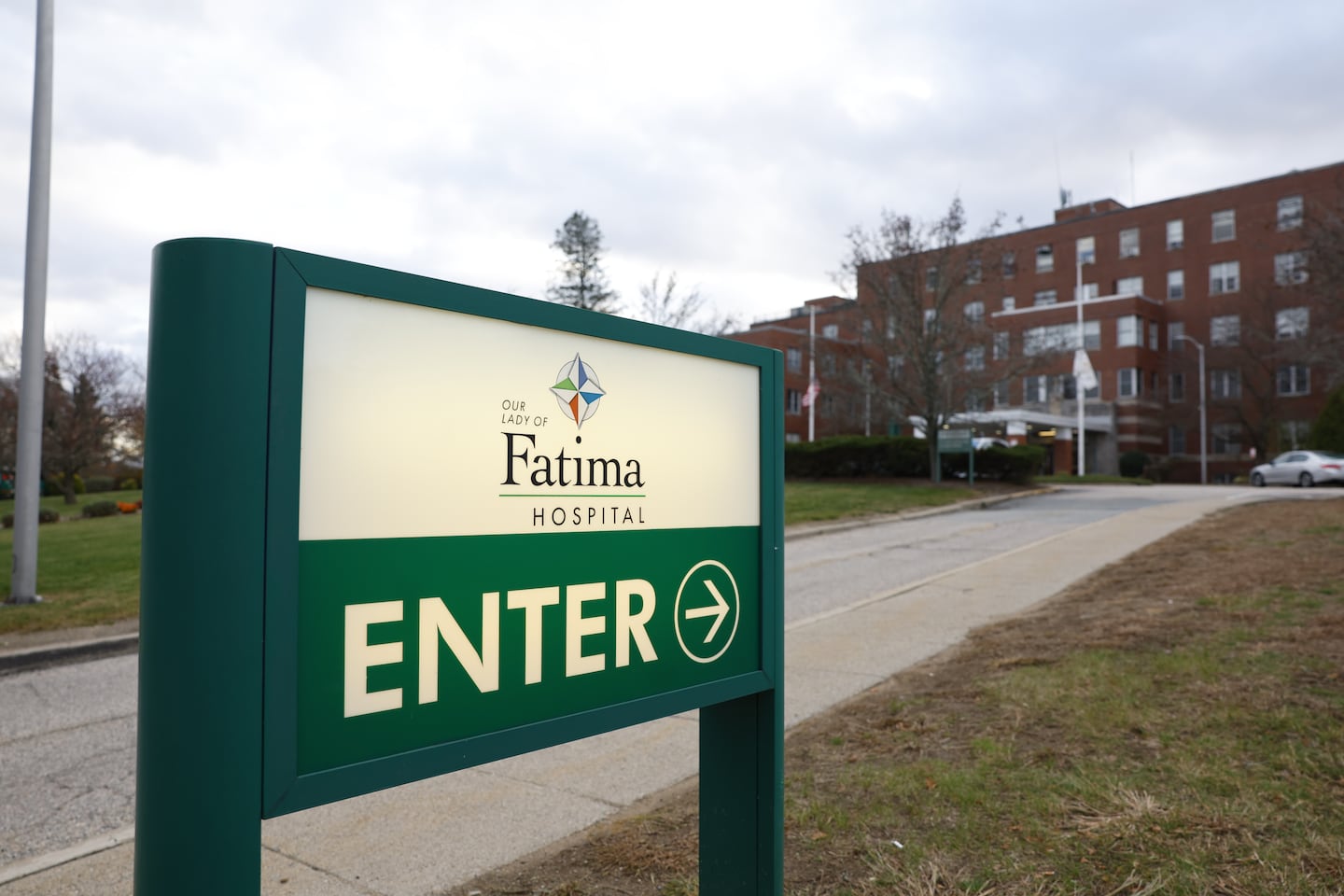
In response to the financial turmoil affecting hospitals in Rhode Island, state legislators have initiated a series of bills aimed at curbing the influence of private equity in the healthcare sector. On February 10, 2024, both the Rhode Island House and Senate voted to approve an $18 million state loan guarantee designed to assist two critical safety net hospitals: Roger Williams Medical Center in Providence and Our Lady of Fatima Hospital in North Providence. These hospitals, currently owned by an out-of-state private equity firm that has declared bankruptcy, are at risk of closure, prompting urgent legislative action.
The proposed legislation is spearheaded by Senator Linda L. Ujifusa and Representative Kathleen A. Fogarty, both Democrats. Ujifusa emphasized the need for proactive measures, stating, “We have important hospitals that are at risk of following the same path as Fatima and Roger Williams.” She pointed to the financial struggles of South County Hospital, indicating a broader trend affecting many healthcare facilities in the state. The legislators aim to shift from a reactive approach to one that emphasizes prevention of future crises.
Addressing the Impact of Private Equity
The urgency for legislative intervention comes in light of recent events in Massachusetts, where Governor Maura Healey enacted a pioneering law aimed at monitoring private equity’s role in healthcare. This legislation seeks to mitigate the kind of financial exploitation that critics argue led to the collapse of Steward Health Care, resulting in the loss of hospitals and tragic patient fatalities. Ujifusa noted that while Rhode Island’s bills may not mirror Massachusetts’ comprehensive approach, they would establish a “transparency and early warning” system to deter private equity acquisitions of local hospitals.
The new Rhode Island legislation would require healthcare entities to submit essential financial and organizational data to the attorney general and the state Health Department prior to any transaction. These officials would then conduct reviews to ensure that proposed deals do not undermine competition, increase costs, or negatively impact access, quality, or equity of care. The attorney general and Health Department would have the authority to approve, conditionally approve, or outright reject these transactions.
“This legislation strengthens transparency, oversight, and accountability for private corporate actors that can currently extract profits from Rhode Island health care providers with little public scrutiny,” said Fogarty. She highlighted the necessity for enhanced regulatory measures to protect patient welfare and community stability.
Legislative Efforts and Broader Implications
Ujifusa asserted that the crisis at Our Lady of Fatima and Roger Williams is not an isolated incident but rather part of a national trend where private equity has negatively impacted hospitals across the United States. “Health care is such a fundamental right,” she stated. “It should not ever be treated as just a business, even though it sometimes is.” She underscored the importance of these bills, which draw on model legislation from the National Academy for State Health Policy and research from the Center for Advancing Health Policy through Research at Brown University School of Public Health.
The proposed legislation also includes the Rhode Island Ban on the Corporate Practice of Medicine Act. This measure would prohibit non-healthcare entities from owning medical practices or influencing the professional judgment of licensed healthcare providers. Ujifusa and Fogarty argue that such corporate structures can compromise clinical independence and obscure responsibility for patient outcomes.
As Rhode Island grapples with these significant healthcare challenges, the proposed legislation signals a commitment to protecting the state’s healthcare system from potential threats posed by private equity. With few federal regulations governing this area, local action appears essential to safeguarding public health and ensuring equitable access to medical services across the state.