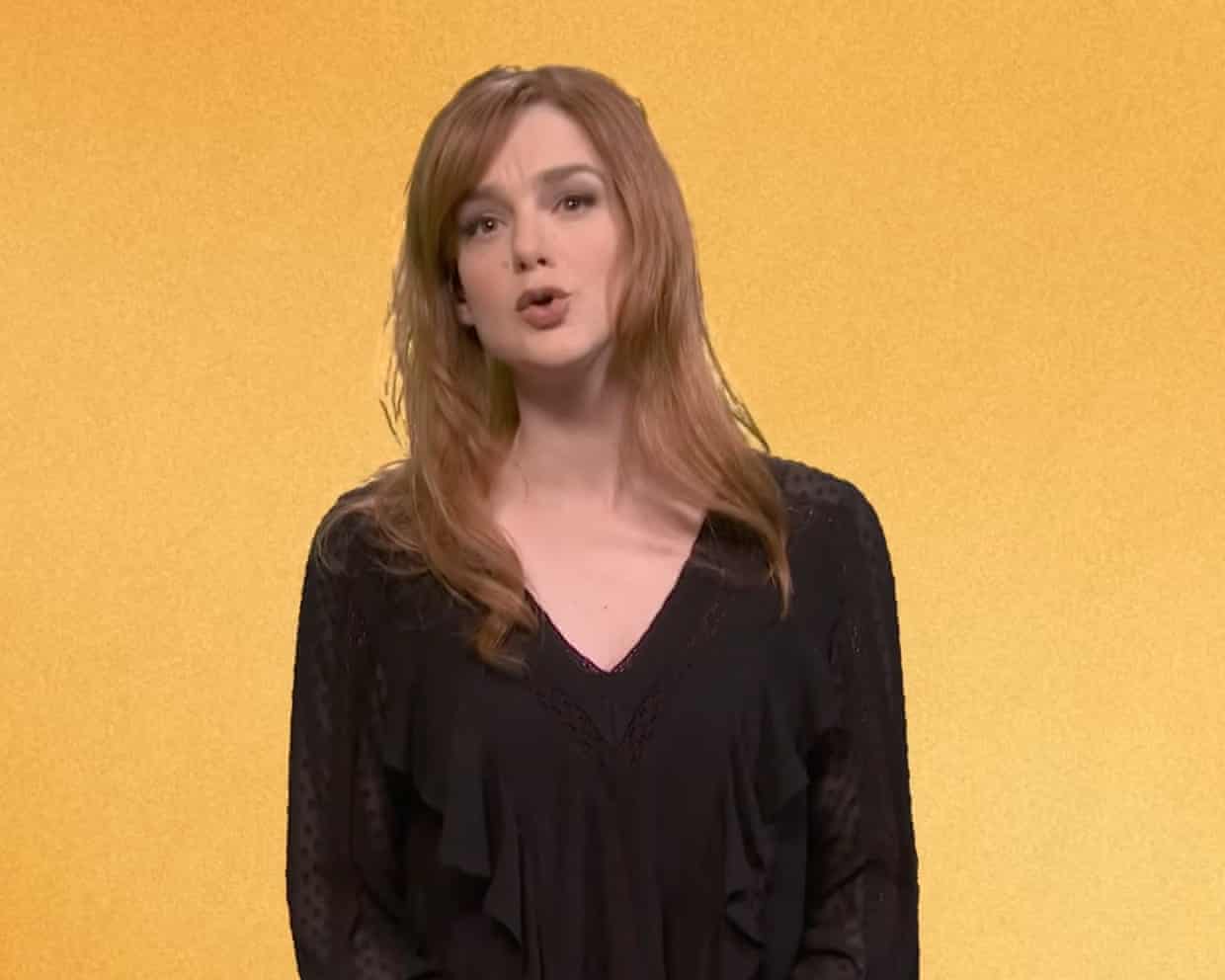
A recent sketch from **Saturday Night Live** has drawn significant backlash for mocking individuals with Tourette syndrome (TS). The segment parodied the **Bafta** N-word controversy, where public figures attributed their offensive comments to having TS. It aired on March 1, 2024, but was removed from the live broadcast due to time constraints and later uploaded to YouTube.
The sketch featured cast members impersonating various celebrities, including **Andrew Dismukes** as **Mel Gibson**. In a controversial line, Dismukes stated, “I too suffer from Tourette’s, which explains a lot of the things I’ve said or yelled through the years.” Other cast members followed suit, with **Ashley Padilla** impersonating **J.K. Rowling**, claiming, “Now you know it was all the Tourette’s fault.” **Connor Storrie**, portraying actor **Armie Hammer**, added humorously, “Not a lot of people know this, but one of the most common side effects is cannibalism.”
The response to the sketch was swift and critical. **Emma McNally**, CEO of **Tourette’s Action**, issued a statement to **Deadline**, calling the portrayal “horrific” and emphasizing that mocking a disability is unacceptable. She highlighted the serious implications of such jokes, stating, “Tourette’s is a complex neurological condition, of which there is no cure. It is not a joke. It is not a personality trait.”
The controversy traces back to a **Bafta** incident earlier this year, where **John Davidson**, the inspiration for the film “I Swear,” was recorded shouting a racial slur during an award ceremony. Davidson later expressed his distress, clarifying, “My tics are not an intention, not a choice, and not a reflection of my values.” McNally echoed his sentiments, reinforcing that “videos and posts that deliberately misrepresent or sensationalise tics set us back years.”
Criticism of SNL continued to mount after the sketch’s release. Comedian **Al Murray** condemned the skit as “vile” and “disgusting,” questioning the ethics behind such humor. Former Scottish Parliament member **Joan McAlpine** also weighed in, comparing the situation to when then-candidate **Donald Trump** mocked a disabled reporter in 2015, stating, “Is bigotry acceptable if it’s wrapped in ‘progressive’ credentials?”
The backlash was not limited to social media. At the **NAACP Image Awards** held in Los Angeles, host **Deon Cole** made a quip about the Bafta incident, advising any white men with Tourette’s to “read the room.” This led to further criticism, with **Piers Morgan** calling the jokes “despicable” and expressing outrage over the audience’s laughter at such comments.
In her concluding remarks, McNally addressed the broader implications of the sketch and its reception. “The trolling and harassment members of our community have endured in the past few days has been horrific,” she stated. “People have been targeted with threats and humiliation simply for having a condition they did not choose. No one should ever be treated that way.”
As discussions continue around the sketch and its impact, it highlights the ongoing need for sensitivity and understanding regarding disabilities, particularly conditions like Tourette’s that are often misunderstood and misrepresented in popular media.