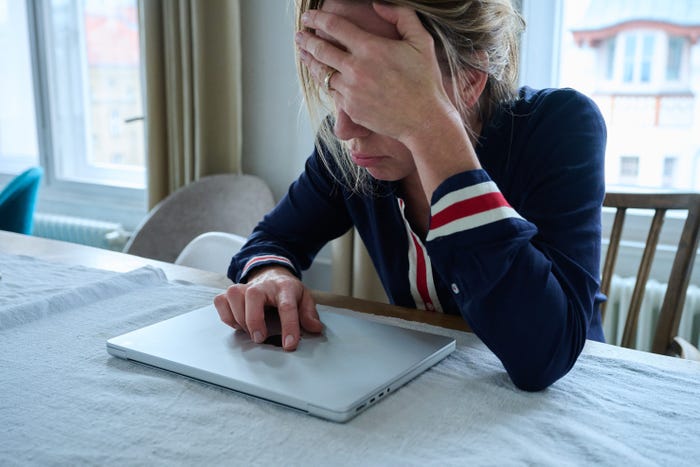
Burnout levels among senior-level women have reached a record high, as revealed in the latest report from McKinsey & Company and LeanIn.org. The study, published on March 15, 2024, indicates that approximately 60% of senior women have frequently felt burned out in recent months, compared to 50% of senior men. This alarming trend marks the highest rate of burnout among women in leadership roles over the past five years.
The report highlights that women who are relatively new to leadership positions experience even greater levels of stress. Among those in senior roles for five years or less, 70% reported frequent burnout, and 81% expressed concerns about their job security. The findings suggest that women, particularly those from minority backgrounds, often face additional challenges and scrutiny in their roles.
Career Advancement and Support Disparities
Despite the exhaustion, a notable ambition gap persists. Only 80% of women aspire to be promoted to the next level, compared to 86% of men. This gap is most pronounced at both entry-level and senior leadership stages, where only 69% of women at the entry level express a desire for advancement, while 80% of men do.
According to the report, 11% of senior women who are reluctant to seek promotions cite a lack of realistic pathways compared to just 3% of senior men. Furthermore, 21% of senior women perceive their higher-ups as burned out or unhappy, nearly double the percentage of men who feel the same.
The findings from the “Women in the Workplace” report, which surveyed 9,500 employees across 124 companies employing about 3 million people, underscore that the issue is not due to a lack of commitment. Both men and women demonstrate similar levels of engagement, but the support systems and opportunities available to them differ significantly.
Decline in Support for Diversity and Inclusion
The report also reveals concerning trends in corporate support for diversity, equity, and inclusion (DEI) initiatives. Despite professed commitments, at least 13% of employers have eliminated women-focused career development programs, and another 13% have cut formal sponsorship programs, which are crucial for career advancement.
Women are less likely than their male counterparts to receive sponsorship, which plays a vital role in promotion rates. Employees with sponsors are promoted at nearly twice the rate of those without, highlighting the importance of mentorship and advocacy.
Additionally, the report indicates that companies are scaling back flexible work arrangements, which can adversely affect women’s career progress. One in four organizations has reduced remote or hybrid work options, and 13% have limited flexible working hours in the past year. Women working remotely are significantly less likely to receive sponsorship and promotions compared to those working on-site.
Despite earlier reports indicating a rise in women advancing to senior leadership roles, the momentum appears to be waning. By 2024, women held 29% of C-suite positions, up from 17% in 2015. However, disparities remain at entry and management levels, where the promotion rate for women has stagnated. Just 81 women were promoted for every 100 men in 2024, down from 79 in 2018.
In light of these findings, Sheryl Sandberg, founder of LeanIn.org, emphasized the need for companies to provide equal support and opportunities for women. “This is only happening in companies that aren’t doing the right thing,” she stated in a recent interview. She argued that when women receive the same support and stretch opportunities as men, the ambition gap diminishes.
The report paints a stark picture of the challenges facing women in leadership, underscoring the urgent need for structural changes in the corporate landscape to foster equality and support for all employees.