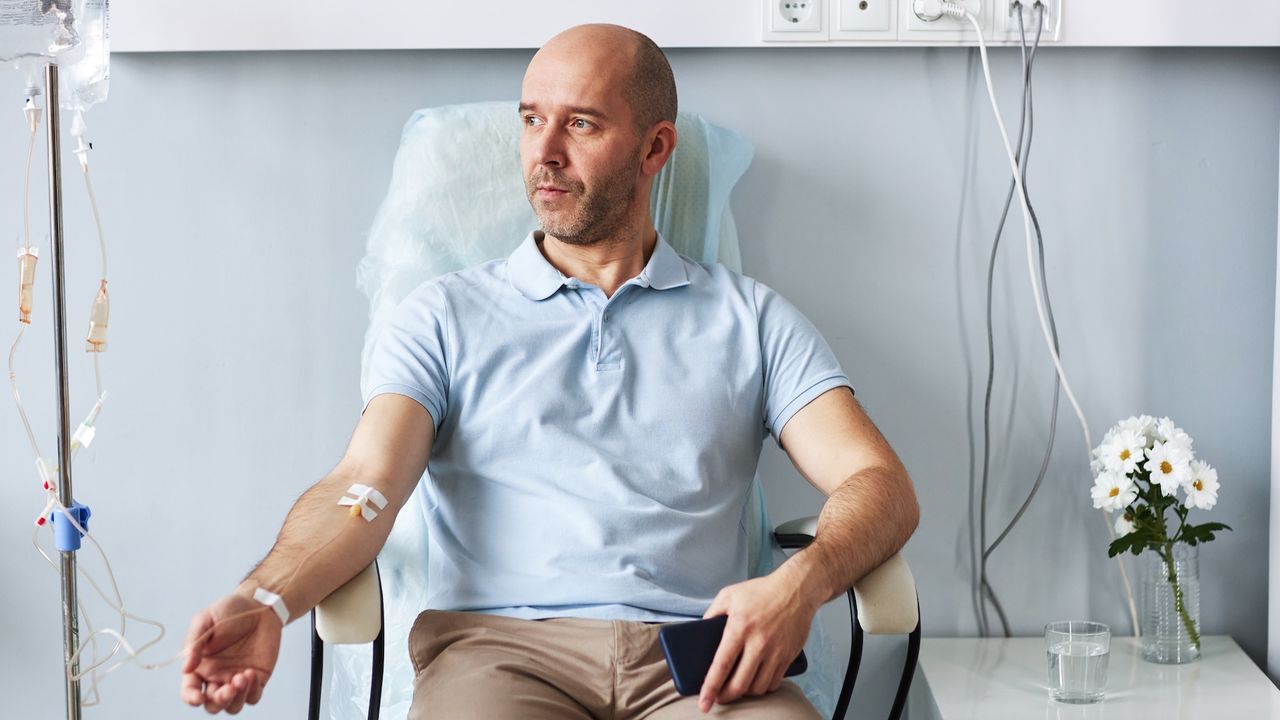
A recent study reveals that administering immunochemotherapy earlier in the day can significantly enhance survival rates for patients with advanced small cell lung cancer (ES-SCLC). Conducted by researchers at the Affiliated Cancer Hospital of Xiangya School of Medicine at Central South University, the findings suggest that the time of day treatment is given plays a critical role in patient outcomes.
The study, published on December 8, 2023, in the journal Cancer, builds on previous research indicating that the body’s internal clock, or circadian rhythm, can affect the efficacy of immune checkpoint inhibitors. These medications are designed to help the immune system identify and attack cancer cells by preventing tumors from suppressing immune responses.
Patients with ES-SCLC, a fast-growing cancer that accounts for approximately 15% of new lung cancer cases, usually face a poor prognosis, with a median survival rate of just 14 months. The researchers analysed data from nearly 400 patients who received standard initial immunotherapy combined with chemotherapy between May 2019 and October 2023.
Patients were categorized based on their treatment times, which ranged from 11:00 to 16:30. The critical finding revealed that those receiving treatment before 15:00 experienced significantly longer survival without cancer progression compared to those treated later in the day. This trend persisted even after accounting for various factors such as age and sex.
Significance of Treatment Timing
Dr. Francis Lévi, a medical oncologist and founder of the Chronotherapy Group at Warwick University, emphasized the study’s importance, stating that it reaffirms earlier research regarding the timing of immune checkpoint inhibitors. “Early time of day of immune checkpoint inhibitors, as single agents or combined with chemotherapy or antiangiogenics, significantly improves treatment efficacy,” he noted.
Experts not involved in the study, including oncologists Dr. Pasquale Innominato and Dr. Seline Ismail-Sutton, expressed their admiration for the pronounced impact of treatment timing on overall survival. They described the findings as “very meaningful” and highlighted the potential for this straightforward adjustment to yield substantial patient benefits without necessitating new drugs or complicated interventions.
Dr. Chi Van Dang, a professor of cancer medicine at Johns Hopkins University, pointed out that laboratory studies suggest immune cells known as T cells tend to migrate into tumors in the morning. Aligning immunotherapy with this natural migration could enhance its effectiveness.
Challenges and Future Directions
While the study’s large sample size is a strength, it does present some limitations. Dr. Lévi noted that most participants were men, and the timing effects did not appear to extend to women, likely due to the smaller number of female participants. This discrepancy suggests the need for further exploration in larger, more diverse studies.
Patients receiving immunochemotherapy before 15:00 lived nearly twice as long compared to those treated later, yet the study did not establish a definitive cutoff time for optimal care. “The most appropriate cutoff time could be located between 11:30 and 15:00,” Dr. Lévi remarked, indicating the need for randomized clinical trials to elucidate the best treatment timing.
The researchers also acknowledged logistical hurdles if treatment were confined to morning hours, as clinical units could quickly become overwhelmed. They suggested a personalized approach to “chronotherapy,” tailoring treatment schedules according to individual biological rhythms. This would not only enhance treatment effectiveness but also alleviate pressure on healthcare facilities.
As research progresses, the development of quick and reliable methods to identify individual chronotypes—classifying patients as “morning larks” or “night owls”—is underway. Such advancements could lead to more effective and efficient cancer treatment strategies.
This study underscores the importance of timing in cancer therapy and opens new avenues for improving patient outcomes. Further investigations will be crucial to establish standardized protocols that can be implemented in clinical practice, potentially transforming how cancer treatment is administered worldwide.