Health officials have reported a significant surge in seasonal viruses, including influenza, norovirus, and COVID-19, as the holiday travel period approaches. The uptick in cases has heightened concerns about potential outbreaks during family gatherings and celebrations.
This season’s flu activity has been largely driven by the newly identified H3N2 subclade K, which has shown increased transmissibility and a reduced effectiveness in vaccine match. According to the Centers for Disease Control and Prevention (CDC), this strain has become the dominant variant in the United States, responsible for approximately 89 percent of all H3N2 infections tested since late September.
The emergence of the H3N2 subclade K follows the development of the current flu vaccine, raising concerns about a weaker immune response in vaccinated individuals. Despite the shift in strain, symptoms remain typical, including fever, chills, severe fatigue, cough, and body aches. Nevertheless, the relative mismatch with the vaccine raises the likelihood of more infections and severe cases.
According to CDC data published recently, the current flu season has seen an estimated 4.6 million cases, 49,000 hospitalizations, and 1,900 deaths in the United States. The number of flu cases sharply increased from the week ending December 6 to the week ending December 13, with the percentage of positive cases rising from 8.1 percent to 14.3 percent. Hospitalizations and test positivity rates have also been on the rise since November, leading to school closures in some districts due to outbreaks among students and staff.
Norovirus and Its Impact
Norovirus, often referred to as the “winter vomiting disease,” is also spreading rapidly across the country. Wastewater data indicates a 69 percent increase in viral concentrations nationwide since October, with the risk categorized as “high” by WastewaterSCAN. Outbreaks are particularly pronounced in the Northeast and Midwest, with clusters reported in states such as Illinois and Texas.
Increased norovirus infections have resulted in higher emergency room visits and school closures. The CDC reported nearly 14 percent positivity in recent clinical tests by mid-November, which is double the rate observed three months prior.
Children have been significantly affected by both flu and norovirus outbreaks. In Marin County, California, approximately one-third of students were absent due to flu-like symptoms. Similar situations have led to e-learning days in suburban Chicago, and New York City schools have reported declining attendance amid hundreds of pediatric flu cases. Many schools are implementing deep cleaning and disinfection protocols ahead of the winter break.
Risks During the Holiday Travel Season
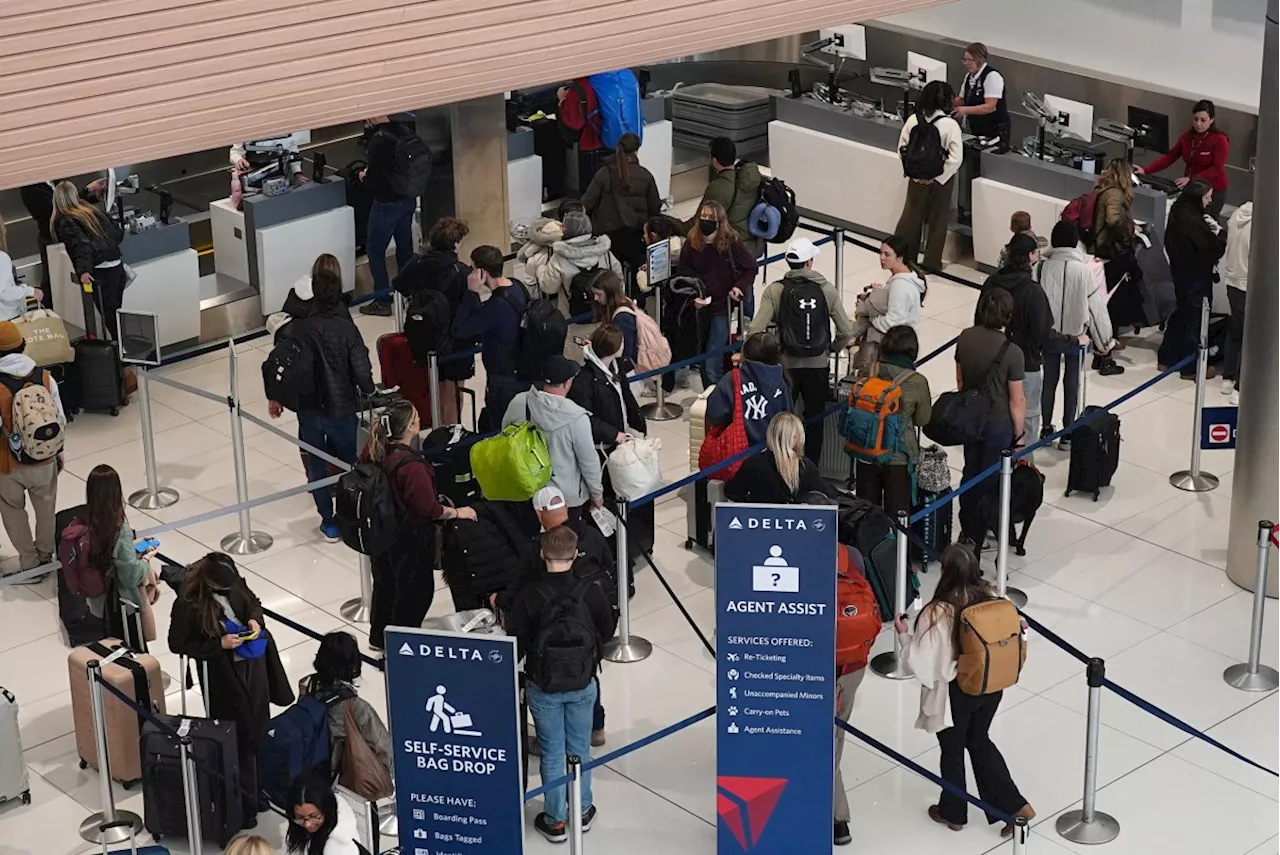
The upcoming holiday travel period is anticipated to be one of the busiest on record, with AAA projecting that 122 million Americans will travel between December 20 and January 1. Crowded airports and transit terminals, along with family gatherings, create conditions conducive to the spread of viruses.
Health officials are advising individuals to stay home if they exhibit symptoms, practice thorough handwashing, and receive vaccinations against influenza and COVID-19, even if the vaccines may not fully match the circulating strains. Vaccination can still reduce the risk of severe illness, hospitalization, and death.
Dr. Farrell Tobolowsky, medical director for communicable diseases at the San Francisco Department of Public Health, emphasized the importance of seeking medical attention if symptoms arise, particularly for those at a higher risk of severe illness. Similarly, Dr. Andy Pekosz from the Johns Hopkins Bloomberg School of Public Health noted that while the symptoms of the current flu strain remain similar, the ability of the virus to infect a larger number of people will likely lead to increased case numbers. Dr. Robert Hopkins Jr. from the National Foundation for Infectious Diseases expressed concern over the new strain’s potential for causing more severe disease.
The CDC, along with state and local health agencies, will continue to monitor viral trends closely as Americans return home after the holidays, anticipating additional spikes in cases. The health community urges vigilance during this busy travel season to mitigate the impact of these viral outbreaks on public health.