In a significant move, President Donald Trump has signed an executive order endorsing a controversial pesticide, prompting backlash from environmental and health activists. This decision comes as part of the broader agenda of the “Make America Healthy Again Movement,” which is actively supporting Trump’s campaign for the 2024 presidential election.
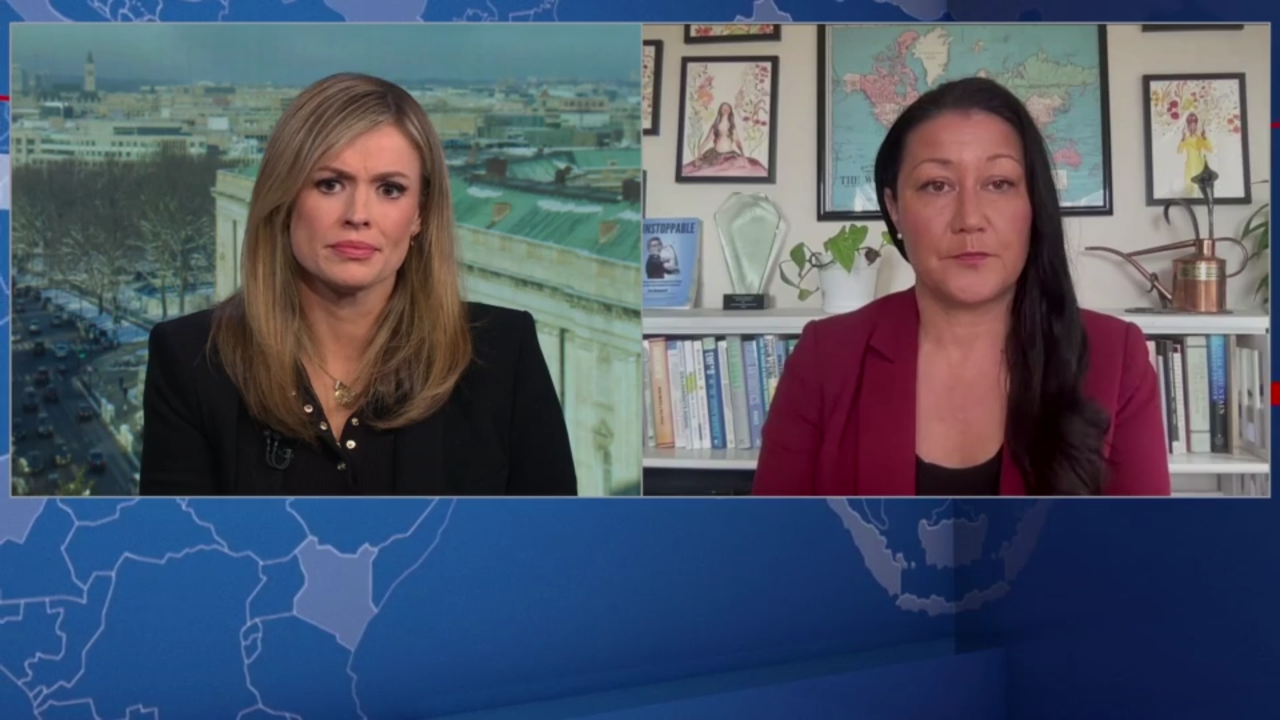
During an interview with CNN correspondent Pamela Brown, Zen Honeycutt, the Founder and Executive Director of Moms Across America, expressed her outrage at the order. Honeycutt highlighted concerns over the pesticide’s potential health risks, particularly its impact on children and families. “This decision disregards the health of our communities and puts profits over people,” she stated.
Health Risks and Public Concerns
The pesticide in question has been widely criticized for its association with various health issues, including potential links to cancer and developmental disorders. Activists argue that the use of such chemicals undermines public health initiatives aimed at promoting safer agricultural practices. Honeycutt emphasized the importance of prioritizing organic and sustainable farming methods that protect both the environment and consumer health.
The executive order has sparked a heated debate within the agricultural and environmental sectors. Proponents of the pesticide argue that it is essential for maintaining crop yields and ensuring food security. However, opponents contend that the long-term health risks outweigh any short-term agricultural benefits.
Political Implications Ahead of 2024 Election
This executive order is seen as a strategic move by Trump to solidify support among agricultural stakeholders ahead of the upcoming election. The “Make America Healthy Again Movement” has been vocal in its support for policies that align with Trump’s agenda, but this particular decision has created a rift among its members.
As the 2024 campaign gears up, the implications of this order may resonate with voters who prioritize health and environmental issues. Honeycutt called on fellow activists and concerned citizens to voice their opposition, stating, “We must hold our leaders accountable for the choices they make that affect our health and our planet.”
The controversy surrounding the executive order reflects broader concerns about agricultural practices and their impact on public health. As discussions continue, it remains to be seen how this will influence both the agricultural community and voters in the lead-up to the election.