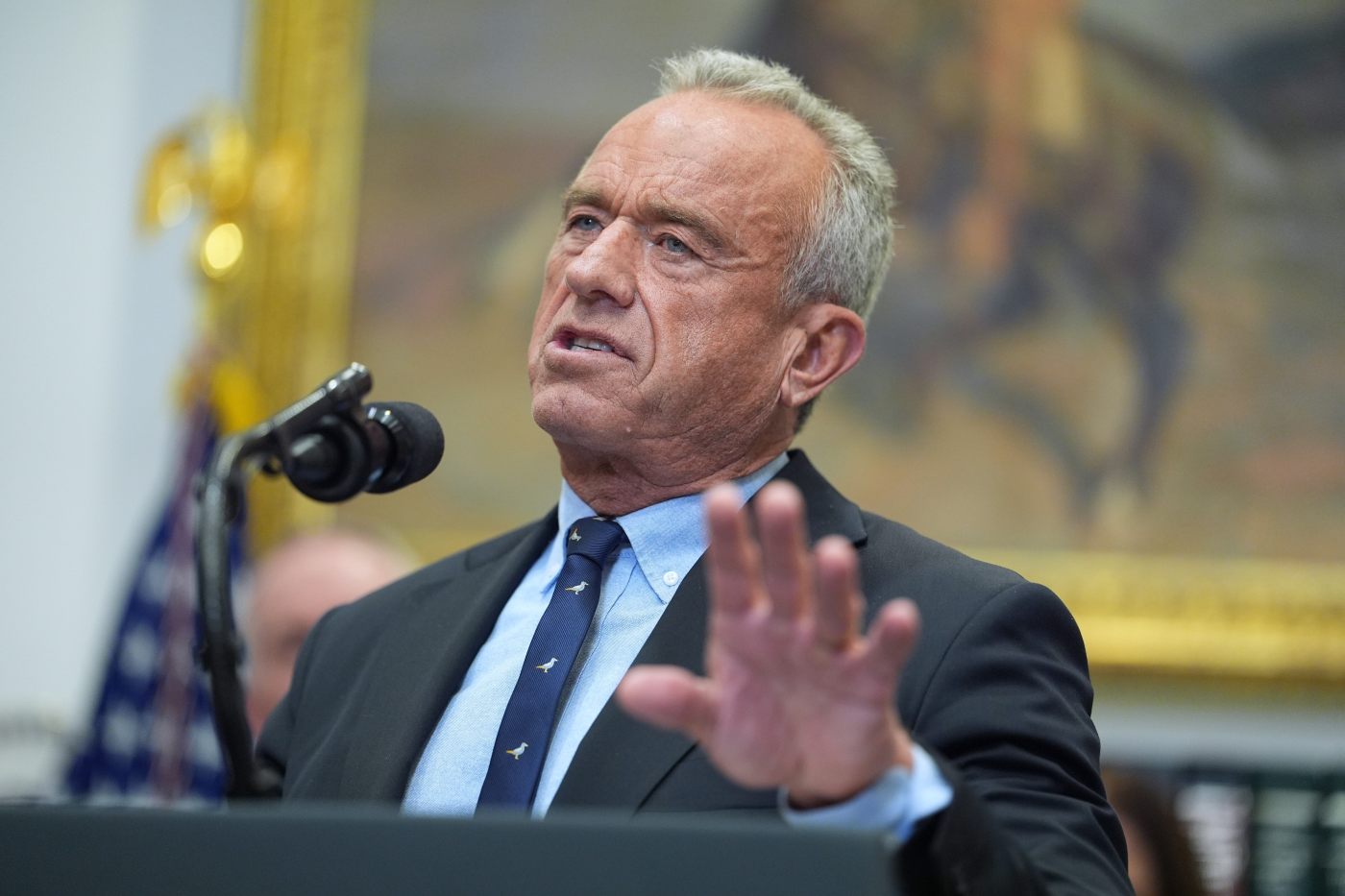
The United States has made a significant alteration to its childhood vaccine recommendations, reducing the number of vaccines advised for all children from 17 to 11. This unprecedented decision, announced on November 6, 2023, by the U.S. Centers for Disease Control and Prevention (CDC), has sparked considerable concern among medical professionals and public health advocates.
Previously, the CDC recommended vaccines for a range of diseases, including influenza, rotavirus, hepatitis A, hepatitis B, certain types of meningitis, and respiratory syncytial virus (RSV). Under the new guidelines, which take effect immediately, these vaccinations will only be recommended for specific high-risk groups or based on “shared decision-making” between doctors and families.
Health Secretary Robert F. Kennedy Jr. has emphasized that this overhaul is designed to enhance public trust in vaccinations by streamlining recommendations to focus on the most critical immunizations. He stated, “This decision protects children, respects families, and rebuilds trust in public health.” Despite these assurances, many experts argue that the changes could lead to confusion among parents and potentially increase the incidence of preventable diseases.
The alterations come at a time when U.S. vaccination rates have been declining, with the proportion of children receiving exemptions reaching an all-time high. According to federal data, diseases such as measles and whooping cough, which can be prevented through vaccination, are witnessing a resurgence across the country.
In December 2019, President Donald Trump requested the U.S. Department of Health and Human Services to review vaccine recommendations in comparison to those of peer nations. The findings indicated that the U.S. was an “outlier” in both the number of vaccinations and doses recommended for children. The department claimed the revised guidelines were a response to this request, aimed at aligning U.S. practices with those of other high-income countries.
Concerns Over Health Implications
Medical experts have expressed alarm over the decision, particularly given the lack of public discussion or transparent review of the data. Dr. Michael Osterholm from the Vaccine Integrity Project, based at the University of Minnesota, warned that abandoning recommendations for vaccines against illnesses like influenza and hepatitis could lead to increased hospitalizations and preventable deaths among children. “Changes of this magnitude require careful review, expert and public input, and clear scientific justification,” he stated.
The American Academy of Pediatrics has also criticized the move, maintaining that the CDC’s previous recommendations were grounded in evidence that prioritized child health. Dr. Sean O’Leary from the academy remarked that countries typically tailor vaccine recommendations based on disease prevalence in their populations, cautioning against a one-size-fits-all approach.
The CDC’s new guidelines continue to recommend vaccinations for measles, polio, tetanus, chickenpox, and human papillomavirus (HPV). Notably, the dosage for the HPV vaccine has been reduced from two or three shots to one for most children.
Political Influence and Future Directions
The decision-making process behind these changes has drawn scrutiny. Senior officials at the Department of Health and Human Services revealed that the new recommendations were made without input from the advisory committee typically involved in vaccine schedule consultations. This has raised questions about the transparency and rigor of the decision-making process.
Dr. Sandra Fryhofer of the American Medical Association emphasized that the scientific evidence regarding the importance of vaccinations remains unchanged, advocating for continued access to immunizations recommended by national medical specialty societies. The lack of consultation with experts and the swift implementation of the recommendations are seen as concerning by many in the medical community.
As the vaccination landscape evolves, the potential implications for public health are significant. With the onset of a severe flu season and previous years witnessing high mortality rates among children due to influenza, experts are particularly worried about the timing of these changes. The decision could have far-reaching consequences, particularly for vulnerable populations.
In conclusion, while the U.S. government aims to rebuild public trust in vaccination practices, the shift in recommendations has ignited a debate over the balance between political considerations and public health imperatives. As the situation unfolds, the ongoing dialogue among health officials, medical professionals, and families will be crucial in determining the best path forward for childhood immunizations in the United States.