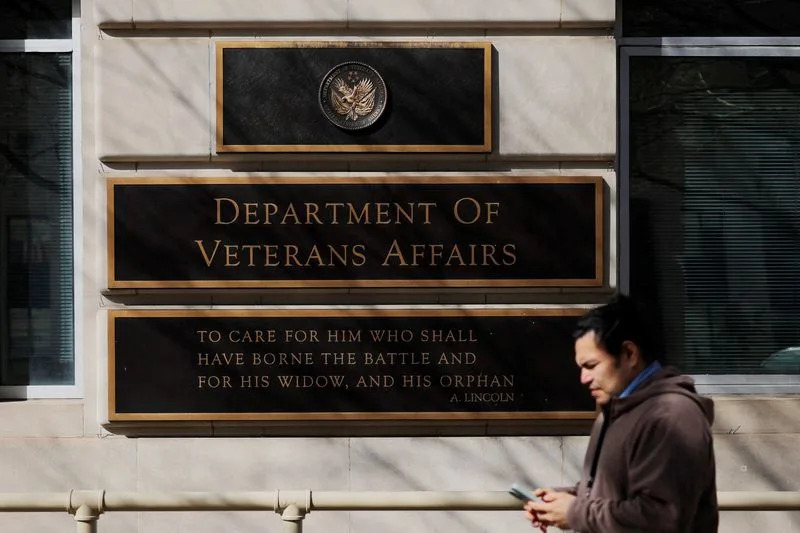
The U.S. Department of Veterans Affairs is set to eliminate as many as 35,000 health care positions in a move that could significantly impact veterans’ services. This decision, which is expected to be implemented this month, comes as a result of internal discussions within the agency, according to a report by the Washington Post citing an internal memo alongside comments from Veterans Affairs staff and congressional aides.
As the largest integrated health care system in the United States, the Department of Veterans Affairs has long been a critical provider of medical services to millions of veterans. The potential cuts raise concerns about the agency’s ability to maintain standards of care, especially given the ongoing needs of its patient population.
Details of the Planned Cuts
The internal memo, referenced by the Washington Post, details the rationale behind the layoffs, though specific reasons were not disclosed in the initial reporting. The agency has faced scrutiny in recent years regarding the quality and accessibility of care, making these layoffs particularly controversial.
While the U.S. Department of Veterans Affairs has not publicly confirmed the precise number of positions to be cut, the reported figure of 35,000 represents a substantial portion of the workforce dedicated to health care services. This announcement follows a broader trend of organizational restructuring within federal agencies, which are often influenced by budgetary constraints and administrative changes.
Implications for Veterans and Staff
The potential job losses could lead to delays in treatment and longer wait times for veterans seeking care. Staff members within the agency have expressed concerns that such drastic reductions in personnel will hinder the delivery of essential health services, exacerbating existing challenges that veterans face in accessing timely medical attention.
Furthermore, the news has sparked bipartisan discussions among congressional aides, who are now contemplating the ramifications of such cuts on veterans’ health outcomes. Some lawmakers are likely to advocate for preserving these jobs, emphasizing the need for adequate support systems for those who have served in the armed forces.
As the situation develops, stakeholders within and outside the Department will be closely monitoring the impacts of these proposed layoffs. The outcome will not only affect the livelihoods of thousands of health care workers but also the well-being of countless veterans who rely on these services for their health care needs.
The U.S. Department of Veterans Affairs has yet to issue a formal statement addressing the allegations of job cuts. The next steps will be crucial in determining how the agency navigates the complexities of workforce management while striving to fulfill its commitment to veterans.