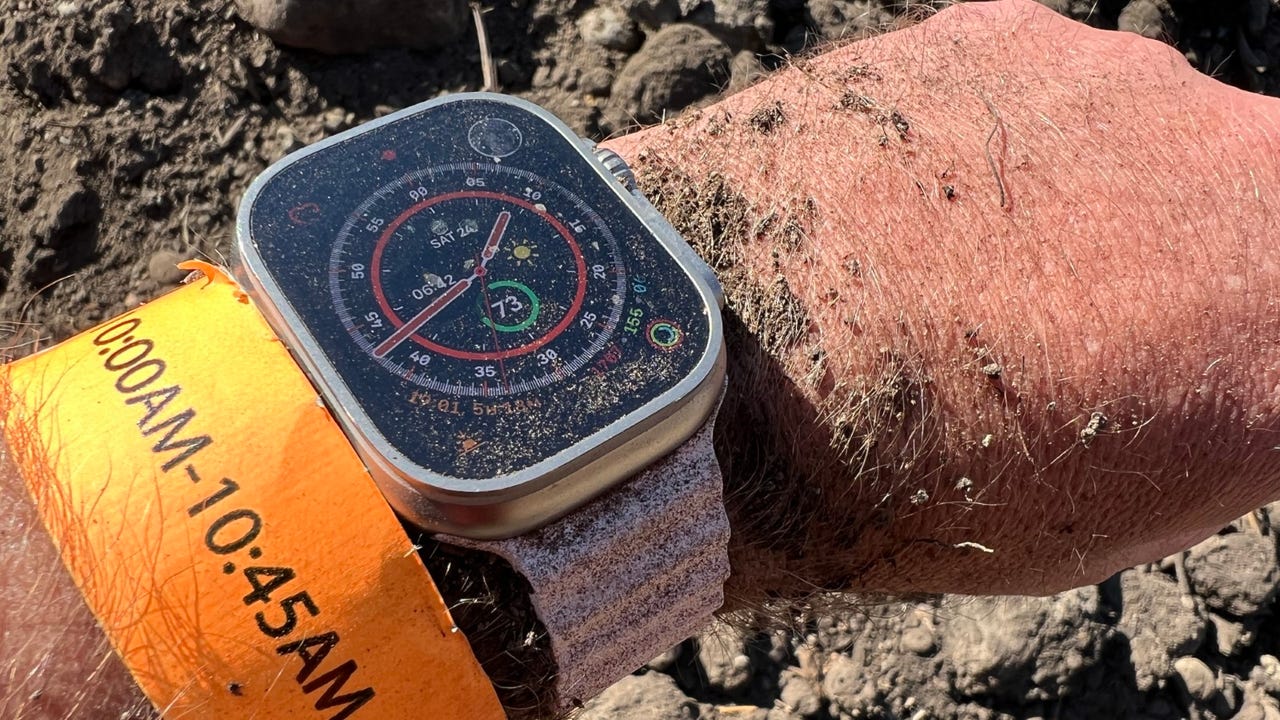
In a detailed overview of smartwatch testing methods, ZDNET outlines its rigorous evaluation process for 2026 smartwatches, showcasing how these devices have evolved into essential tools rather than mere accessories. The review emphasizes the importance of durability, advanced health tracking, and seamless smartphone integration, providing readers with a comprehensive understanding of what makes a smartwatch stand out in today’s market.
Testing Smartwatches: Methodology and Criteria
The smartwatches reviewed by ZDNET are typically purchased after their public release, allowing for thorough evaluation over a period of at least two weeks. This duration is crucial for assessing battery life, health tracking capabilities, GPS accuracy, and overall design. The team maintains ongoing relationships with leading smartwatch manufacturers, enabling them to seek clarification on various technical aspects during the testing phase.
Smartwatch performance is influenced by several factors, including individual body geometry, the fit of the watch band, and the specific smartphone it connects with. For instance, the reliability of notifications and app performance can vary significantly based on the connected device and the user’s environment. The testing team uses large-size wrists and a range of smartphones to provide insights from a broader perspective.
Key Factors in Smartwatch Recommendations
Price and battery longevity are secondary considerations in ZDNET‘s recommendations, as most modern smartwatches, typically priced between $300 and $500, require daily charging. Instead, five primary criteria guide the evaluation process: core functionality and performance, build quality and durability, health and wellness features, application support, and advanced functionalities.
Core functionality is paramount; a smartwatch must reliably display the time and notifications without causing user frustration. Customizable watch faces, often featuring complications that provide quick access to additional information, enhance the user experience. The ability to manage phone notifications directly from the smartwatch is another critical feature that supports seamless interaction.
Durability is also a significant aspect of smartwatch testing. Most devices come with water resistance ratings suitable for everyday use, and their screens are designed to withstand scratches. The evaluation process involves rigorous real-world testing, including exposure to various weather conditions and physical activities.
Health and wellness tracking has seen remarkable advancements, with features previously exclusive to dedicated devices now integrated into smartwatches. Companies like Apple and Samsung have been at the forefront of this evolution, offering functionalities such as sleep monitoring, heart rate tracking, and personalized fitness coaching.
The testing team utilizes tools like the DC Rainmaker Analyzer to compare health data across different smartwatches, ensuring accuracy and reliability in their assessments. The rise of AI-driven health services, such as Fitbit’s premium coaching and Samsung’s health tracking, showcases the growing importance of these features for all users, from casual exercisers to professional athletes.
Applications and Advanced Features
As smartwatch technology has advanced, the range and quality of third-party applications have expanded significantly. Both Apple and Google have made strides in this area, with the former leading in terms of app availability and usability. The integration of comprehensive applications is now essential for providing a holistic user experience.
Advanced features, often the most exciting aspect of the review process, include innovative functionalities such as satellite connectivity for emergency services. Smartwatches from major brands are now equipped with features like crash detection, music controls, and voice assistance. The Apple Watch Ultra 3, for example, automatically adjusts its interface for underwater activities, while Garmin models have introduced practical tools like built-in flashlights.
With the smartwatch market continuing to evolve, the potential for future innovations remains vast. As manufacturers explore new technologies, users can expect increasingly sophisticated devices that integrate seamlessly into their daily lives.
In conclusion, ZDNET’s comprehensive testing approach highlights the importance of performance, durability, and innovative features in today’s smartwatches. As these devices continue to blend functionality with style, they are set to become indispensable companions in the digital age.