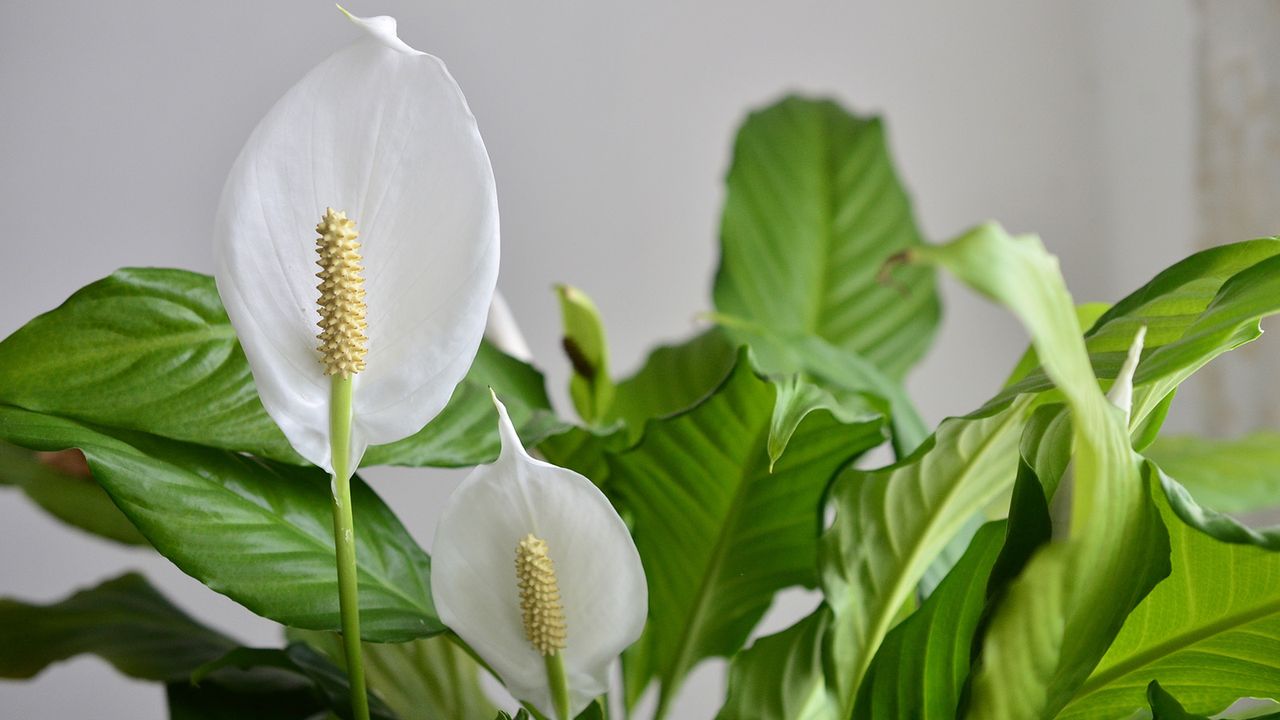
Peace lilies are beloved houseplants known for their striking green foliage and elegant white blooms. However, these plants demand specific care, particularly regarding the water used for their upkeep. Recent insights reveal that using tap water can adversely affect the health of your peace lily, prompting many plant owners to seek better alternatives.
Understanding the Sensitivity of Peace Lilies
Peace lilies, while relatively low-maintenance, are sensitive to certain chemicals commonly found in tap water. When ordinary tap water is used for these plants, it can introduce harmful substances like fluoride and chlorine. These chemicals can cause visible stress on the plant, such as browned leaf tips, indicating potential damage.
To mitigate these effects, some suggest letting tap water sit for 24 to 48 hours before use, allowing some chemicals to evaporate. Nevertheless, this method may not be completely effective in removing all harmful elements.
Optimal Watering Methods for Healthy Peace Lilies
To promote healthier growth, plant enthusiasts recommend using alternative water sources that are free from the harmful chemicals found in tap water. Two excellent options include collecting rainwater and using filtered or distilled water. Both alternatives provide a more suitable environment for peace lilies to thrive.
When watering peace lilies, it’s essential to keep the soil just moist enough, avoiding over-saturation. The ideal practice is to ensure that the top layer of soil remains slightly damp. Additionally, peace lilies prefer water at room temperature, making it beneficial to allow any water to reach this temperature before application.
For those who struggle to remember regular watering, establishing a routine can be helpful. One suggestion is to designate a specific day each week, such as “Thirsty Thursday,” to tend to your plants. This simple approach can help ensure your peace lily receives the care it needs.
In summary, while peace lilies are often a favorite among indoor plants, their sensitivity necessitates careful attention to the type of water used for their care. Avoiding tap water and opting for natural alternatives can significantly enhance the health and longevity of these beautiful plants.