Valentine’s Day, celebrated on February 14, is known for the exchange of hundreds of millions of roses. Yet, this beloved tradition is under scrutiny due to its environmental impact and reliance on imported flowers. A growing number of florists in Brooklyn are challenging the norm, promoting seasonal blooms as a sustainable alternative that supports local farms.
Suzanna Cameron, the founder of Stems Brooklyn in Bushwick, emphasizes the importance of knowing where flowers come from. “I think about the journey any given flower makes from farm to vase,” she stated. By sourcing locally, Cameron aims to minimize her shop’s carbon footprint while offering customers a more meaningful gift option.
Most roses sold in the United States are imported from Colombia, where production costs are low due to favorable climate conditions and cheap labor. These flowers travel long distances, often via refrigerated cargo planes, contributing significantly to their carbon footprint. According to John Dole, a horticultural science professor at North Carolina State University, the heavy reliance on imported roses is particularly pronounced during Valentine’s Day, which occurs in February, a time when local flowers are not in bloom.
Demand for imported flowers continues to rise, with agricultural specialists at Miami International Airport predicting a record-setting year for inspections ahead of Valentine’s Day, expecting to surpass last year’s figure of over 1.3 billion stem inspections.
In response to these challenges, Cameron’s shop has launched a campaign titled “Kiss My Tulips,” focusing on tulips sourced from a local New York farm. This initiative highlights the beauty and sustainability of seasonal flowers, offering an alternative that resonates with environmentally conscious consumers.
Another advocate for seasonal blooms, Julia D’Angelo of Fern Botanica in Astoria, Queens, also prioritizes sustainability by composting floral waste and avoiding the use of floral foam, a common material that contributes to landfill waste. D’Angelo states, “The single-use material will be in a landfill forever,” underscoring her commitment to eco-friendly practices.
Floral foam, made from phenol-formaldehyde plastics, poses environmental hazards as it breaks down into microplastics, entering ecosystems and affecting aquatic life. D’Angelo reports that eliminating foam has not limited her design capabilities. “I don’t feel that we are hindered in our design capabilities at all,” she noted, emphasizing that traditional materials can effectively replace foam.
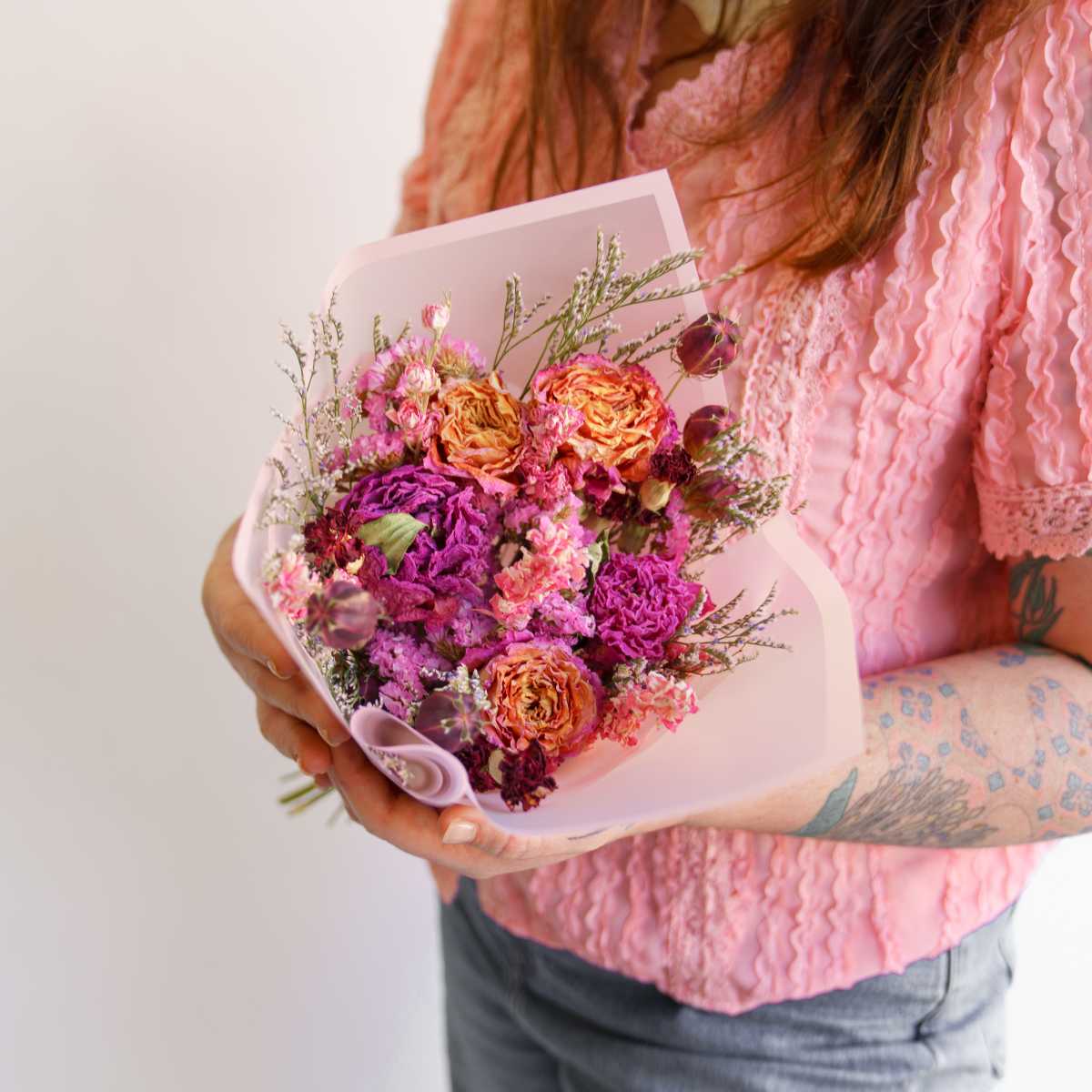
The arrangements crafted by these sustainable florists maintain the vibrancy and beauty associated with traditional Valentine’s bouquets. Molly Culver, owner of Molly Oliver Flowers in Sunset Park, creates stunning arrangements featuring seasonal flowers such as tulips, ranunculus, and anemones. Culver’s commitment to local growers and seasonal sourcing reflects her passion for sustainable agriculture, which she studied extensively at the University of California, Santa Cruz.
Culver believes that understanding floral seasonality is essential. “If we’re going to heal the Earth and work in concert with it, then seasonality is a really big part of it,” she explained, adding that local conditions dictate flower availability. “Peonies just don’t want to bloom in December in our region,” she emphasized.
Dole confirms that consumers seeking locally sourced flowers can find a variety of beautiful options available during the winter months. “There are a number of wonderful cut flowers that are grown in cool greenhouses or high tunnels in the U.S. with low energy costs during the winter,” he noted, listing options like anemones, ranunculus, tulips, and sweet peas.
Cameron and her fellow florists advocate for a Valentine’s Day that reflects genuine care and thoughtfulness. “It’s always just been about sharing love and connection with all kinds of people,” Cameron stated, highlighting the new movement towards sustainable gifting in a traditionally commercial holiday. As more consumers embrace these changes, the future of Valentine’s Day flowers may be less about imported roses and more about celebrating the beauty of what is grown closer to home.