Interest in Chicago Pride Hockey has surged dramatically, largely due to the popularity of the streaming series “Heated Rivalry.” The show, inspired by a novel by Rachel Reid, explores the romantic relationship between two closeted professional hockey players, resonating with audiences and significantly impacting community engagement. Board member Zack Dessent reported that the organization received around 60 inquiries in just two weeks, as more individuals seek to join the LGBTQ+ hockey community.
Dessent, a 33-year-old resident of Lakeview, expressed his appreciation for the show’s portrayal of gay relationships within a sport that has historically struggled with inclusivity. He noted, “Anytime that you can expand the game out to be more inclusive and to make people feel more included in the community and seen, I think is really important.” This sentiment echoes a broader desire for representation, particularly as the National Hockey League (NHL) has never had an active player who is openly gay.
Building Community Through Hockey
“Heated Rivalry” features actors Hudson Williams and Connor Storrie as the lead characters, depicting their secret relationship filled with both passion and fear. The series has cultivated a significant fanbase that exceeded initial expectations from studio executives. Dessent, who began playing hockey as a child, faced challenges related to his sexuality during his formative years in the sport. He recalls feeling isolated and fearful of potential bullying from teammates.
Reflecting on his experience, Dessent stated, “The feeling of being different is a very scary thing, especially when you don’t know how people are going to react to it.” After years away from the ice, he sought a way to connect with others and discovered Chicago Pride Hockey, which was originally established in 2002 as the Chicago Gay Hockey Association. The organization aims to provide a safe and supportive environment for players of all identities, welcoming individuals from various backgrounds.
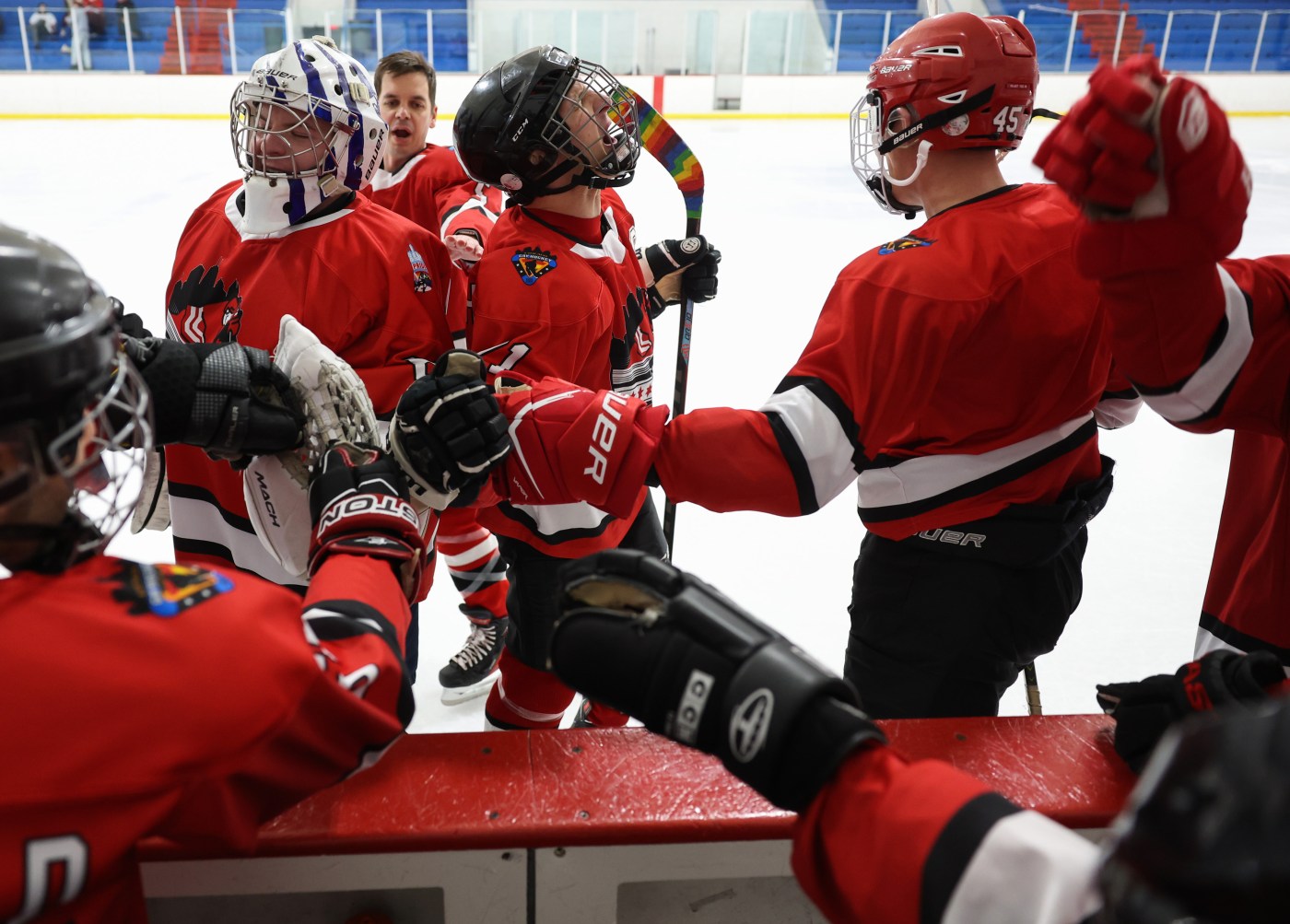
Under the leadership of Chuck Jacobson, who drew inspiration from a similar league in New York, Chicago Pride Hockey began with just 15 players. Today, the organization has expanded to approximately 100 players across four teams, competing in various leagues throughout the city and suburbs. The group’s growth is attributed not only to the show but also to its commitment to community outreach and initiatives such as a learn-to-skate program in collaboration with the Boys and Girls Club.
Representation and Acceptance in Sports
The impact of “Heated Rivalry” extends beyond entertainment. It has prompted discussions among players and community members about acceptance in sports. Annie Davis-Korelc, executive director of the Chicago Blackhawks Foundation, praised Chicago Pride Hockey for fostering a sense of belonging within the sport. She stated, “We believe that hockey is for everyone, and this team and others like it create spaces where people can show up and feel welcomed and included in the sport.”
Former Chicago Pride Hockey president Andrew Sobotka echoed this sentiment, sharing that many gay hockey players still feel compelled to hide their identities. He remarked, “There are gay hockey players, and they very likely are high performing athletes. It’s kind of the sadness that comes with having to hide part of themselves to be able to play the game that they love.” Sobotka, who was a finalist for the NHL’s Willie O’Ree Community Hero Award, emphasized the importance of representation in the sport and noted that the show successfully portrays supportive characters who uplift the main protagonists.
The series has also sparked conversations among parents of youth players, including Shelby Domabyl-Deiters, who joined Chicago Pride Hockey a year and a half ago. As a self-identified “suburban hockey mom,” she has found a welcoming community and feels empowered to discuss her identity openly. Domabyl-Deiters noted that the show’s portrayal of characters grappling with acceptance resonates deeply with her own experiences.
As Chicago Pride Hockey continues to grow, Dessent remains optimistic about its future. He stated, “We’re just happy that we can be that place where people can come and feel welcomed and supported and like they don’t have to worry about being judged.” The organization’s commitment to inclusivity and representation in sports is paving the way for a more accepting hockey culture, one where all players can thrive both on and off the ice.