The University of Colorado (CU) is under scrutiny as concerns mount over its contract with Key Lime Air, a company that transports CU athletes. Longtime season ticket holder Mary Friedrichs has voiced her strong objections, citing both ethical and safety issues associated with the airline. Friedrichs, who retired from CU in 2011 as the Director of the Office of Victim Assistance, argues that CU must terminate its agreement with Key Lime Air due to its connections with ICE (Immigration and Customs Enforcement).
Friedrichs emphasizes that the airline has participated in operations that allegedly involve transporting detainees without due process. This raises significant moral questions about CU’s involvement with a company that profits from such practices. “Does CU want to be complicit in such a process?” Friedrichs asked, highlighting the ethical dilemma.
In addition to ethical concerns, Friedrichs points to serious safety issues that have been reported regarding Key Lime Air. According to investigations by the Colorado Sun and KRDO, former pilots and the National Transportation Safety Board (NTSB) have raised alarms about the airline’s operational practices. Allegations include neglect of safety protocols and issues related to pilot management. Following a midair collision incident near Centennial Airport, the NTSB highlighted critical safety concerns, particularly regarding air traffic control and pilot error. Friedrichs warns that continuing the contract could jeopardize the safety of CU’s student-athletes.
As a direct response to these concerns, Friedrichs announced that she will not purchase season tickets for CU women’s basketball unless the contract with Key Lime Air is terminated. Her stance reflects a growing sentiment among CU supporters who prioritize the safety and ethical treatment of individuals.
Community Calls for Action Against Current Leadership
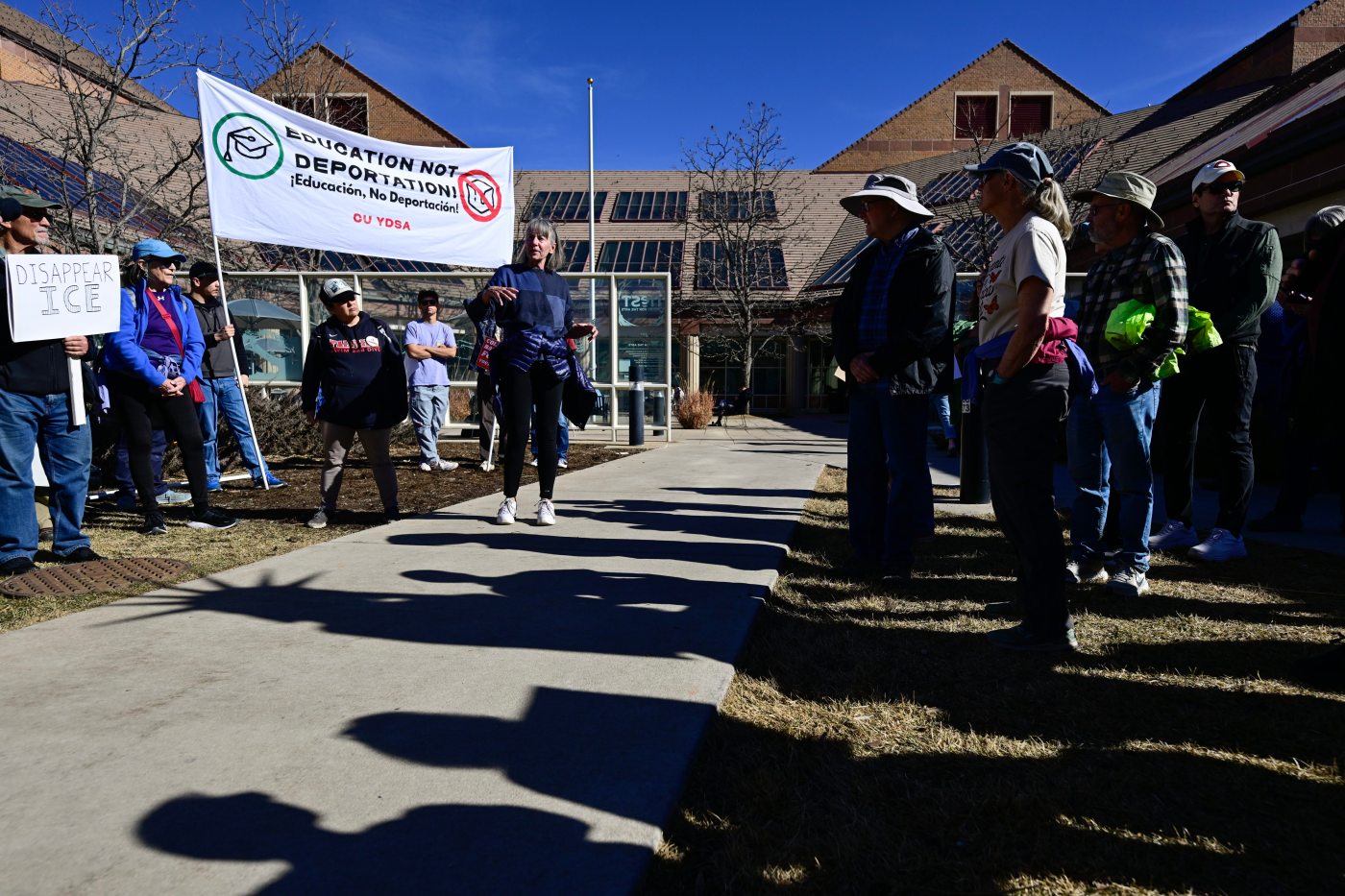
In a separate but related sentiment, Phil Barber expresses his frustrations regarding the current political landscape, notably criticizing former President Donald Trump’s administration. Barber encourages individuals to take action in their communities to combat what he describes as a troubling era for American values.
Barber suggests various actions, including participating in protests and supporting organizations that aid immigrants. He advocates for volunteer work with groups like the Rocky Mountain Immigrant Advocacy Network (RMIAN), which provides crucial support to refugees and asylum seekers. He also encourages community members to donate to local organizations such as Casa de Paz, which offers assistance to individuals recently released from ICE detention. “None of us can do everything to change the situation,” Barber states, “but each of us can do something.”
Olympian Breezy Johnson Celebrates American Pride
In a lighter contrast, Breezy Johnson, an Olympic athlete, has recently garnered attention for her heartfelt display of patriotism. Following her victory in the downhill women’s event, Johnson expressed her pride in representing the United States, a refreshing sentiment amidst a backdrop of mixed feelings from some athletes regarding national representation.
“I was so pleased that Johnson… expressed her love for her country,” remarked Steve Erickson, an octogenarian who applauded her emotional response during the national anthem played at her victory. As discussions continue about athletes’ relationships with their national identity, Johnson’s pride serves as a poignant reminder of the positive emotions associated with representing one’s country on a global stage.
These stories highlight a range of perspectives within the Boulder community and beyond, from ethical dilemmas in sports contracts to calls for civic engagement and expressions of national pride. As the University of Colorado navigates these complex issues, the voices of its community members remain a vital part of the conversation.