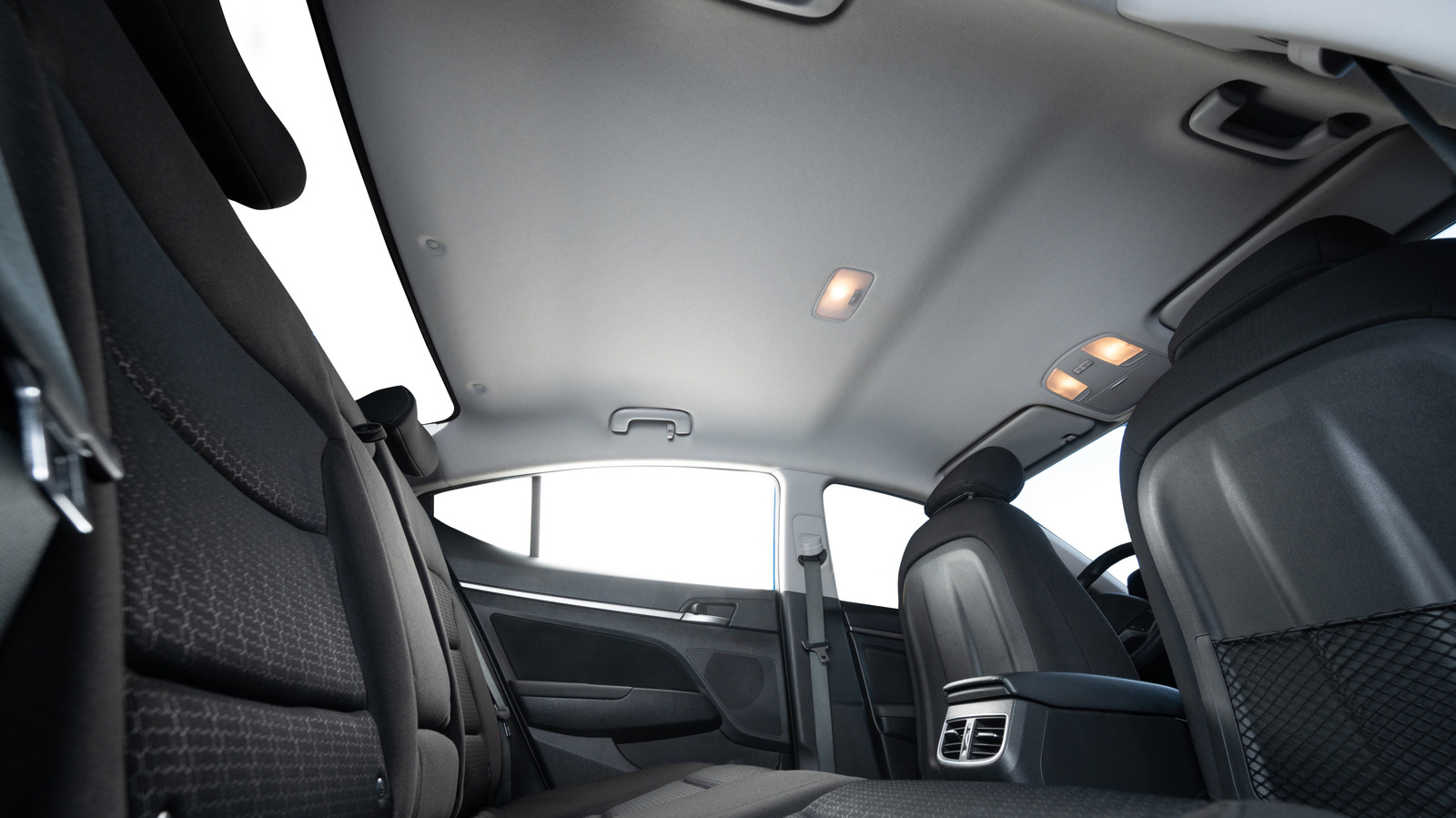
Car interior design has undergone significant changes over the last two decades, with trends shifting towards minimalism, ambient lighting, and sustainable materials. Among the various components of a vehicle’s interior, the headliner plays a critical role in shaping the cabin’s ambiance. While many car owners invest in upgrading seats and steering wheels, re-trimming the headliner is less common. According to AutoZone, the best overall material for a car’s headliner is foam-backed fabric. This choice is favored for its affordability, ease of installation, and pleasing aesthetic that resembles factory finishes.
Choosing the right material for a headliner can be complex, as each option comes with its own set of advantages and disadvantages. Factors such as budget, personal preferences, and intended usage will influence this decision. The following breakdown provides insights into the most common headliner materials available in today’s market.
Evaluating Headliner Options
Foam-backed fabric consists of a laminated fabric layer that adheres to the vehicle’s roof. This material is lightweight and can be easily stretched to minimize wrinkles. Although foam-backed fabric is known for resisting sagging in the short term, it may weaken under excessive heat, leading to drooping. Nonetheless, it remains a popular choice among manufacturers for factory-installed headliners.
For vehicles located in humid climates or those subjected to heavy use, a vinyl headliner is often more suitable. Vinyl is exceptionally durable and easy to clean, making it less susceptible to malformations due to adverse weather conditions. As such, it is frequently chosen for convertibles and other vehicles with vinyl roofs. However, this material compromises on softness and sound-dampening capabilities, and repairs can be more challenging compared to fabric or suede options.
Suede and microsuede are often selected for luxury applications due to their rich texture. True suede tends to be the more expensive option, while microsuede offers a more affordable alternative. Both materials can be difficult to install, as they require careful stretching to achieve a smooth appearance. Cleaning these textures can also be problematic, given their propensity to attract dirt.
Polyester is another viable option, offering durability, affordability, and stain resistance. This synthetic material provides a wider range of colors and textures than its counterparts. However, polyester headliners may not deliver the same premium feel associated with fabric or suede.
Maintaining Your Headliner
Proper maintenance of your headliner is essential for its longevity. Start by vacuuming to eliminate loose dirt and follow up with a dry clean using a microfiber towel. It is advisable to select cleaning solutions specifically designed for the headliner material in question. Once the appropriate cleaner is chosen, spray it on, brush it into the fabric, and allow it to dry before tackling tougher stains.
Regular cleaning will help prevent stubborn stains from forming over time. Using a steamer can also be effective, but only if you possess the necessary experience to avoid damage. Regardless of the material, protecting the headliner from direct sunlight is crucial. Address any leaks from windows or sunroofs immediately, as moisture buildup can lead to mold formation.
It is wise to resolve minor issues, such as partial sagging, before they escalate. Routine vacuuming every month, limiting contact with the headliner, employing dehumidifiers inside the vehicle, and testing new cleaning solutions on inconspicuous areas are all recommended practices. Seasonal deep cleaning is particularly beneficial for light-colored headliners, which are more prone to showing wear.
In conclusion, when selecting a headliner material, consider your priorities and the specific use of your vehicle. Each option presents unique benefits and challenges, making it essential to choose wisely for a comfortable and aesthetically pleasing car interior.