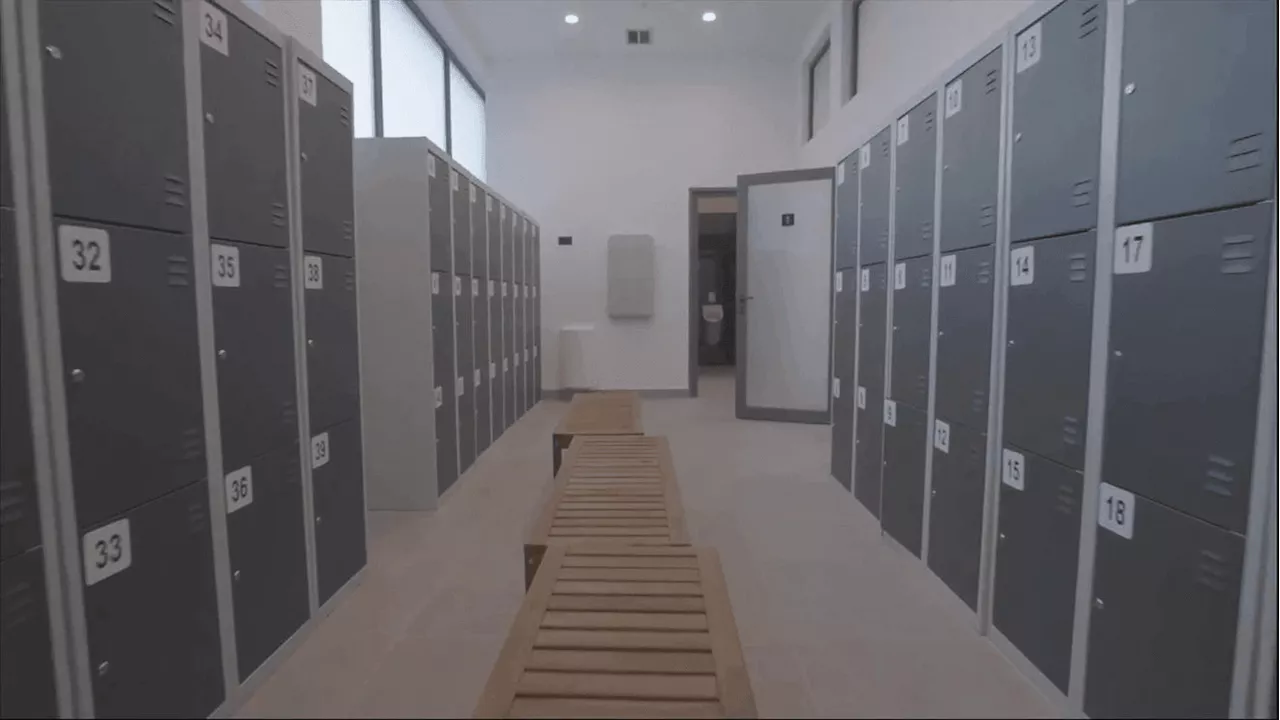
The Eastern Lebanon County School District is considering significant changes to its bathroom policy, which could shift how students access multi-user facilities. During a school board meeting on January 21, 2024, the policy committee presented a revised version of Policy 253 – Student Physical Privacy in School Facilities. This update proposes eliminating references to gender identity and instead focuses on biological sex for student access to multi-user bathrooms and locker rooms.
Under the proposed changes, students would be required to use facilities that correspond with their biological sex, as indicated on their birth certificates or determined by a medical professional. The revised policy also introduces regulations regarding single-user facilities, stating that these can be utilized by any student without requiring an explanation. The intent behind this change is to provide a comfortable space for all students while navigating sensitive issues surrounding gender identity.
The original policy was approved in 2023 following the closure of a district high school’s locker rooms due to concerns about transgender students using particular facilities. The latest amendments remove previous language surrounding gender identity, specifically a section that allowed facility access based on a student’s affirmed gender identity. Critics of the original policy had raised concerns that such measures could lead to potential legal issues.
The policy committee emphasized that the proposed changes would comply with relevant state and federal laws, including Title IX in Pennsylvania. They argue this approach is necessary to protect the district from potential legal challenges. Despite this, opinions among community members varied during the public comments segment of the meeting. One parent expressed apprehension regarding possible lawsuits if changes are implemented, noting that the district’s legal counsel has recommended postponing any decisions until the U.S. Supreme Court rules on relevant cases.
Some board members echoed these concerns, suggesting it may be prudent to delay the final vote until after a ruling on current Supreme Court cases concerning transgender athletes in women’s sports. A parent raised a hypothetical scenario regarding students who may identify differently over time, questioning the policy’s potential implications for safety and privacy.
The discussion reflects the ongoing national debate over gender identity and access to facilities, emphasizing the complexities faced by educational institutions in addressing these sensitive topics. As the district continues to evaluate its policies, the outcome will likely have lasting effects on the student body and community dynamics.
As the conversation surrounding this policy evolves, stakeholders are keenly aware of the potential ramifications. The district’s approach may set a precedent for how similar issues are handled in other jurisdictions, illustrating the intersection of education, law, and social issues.