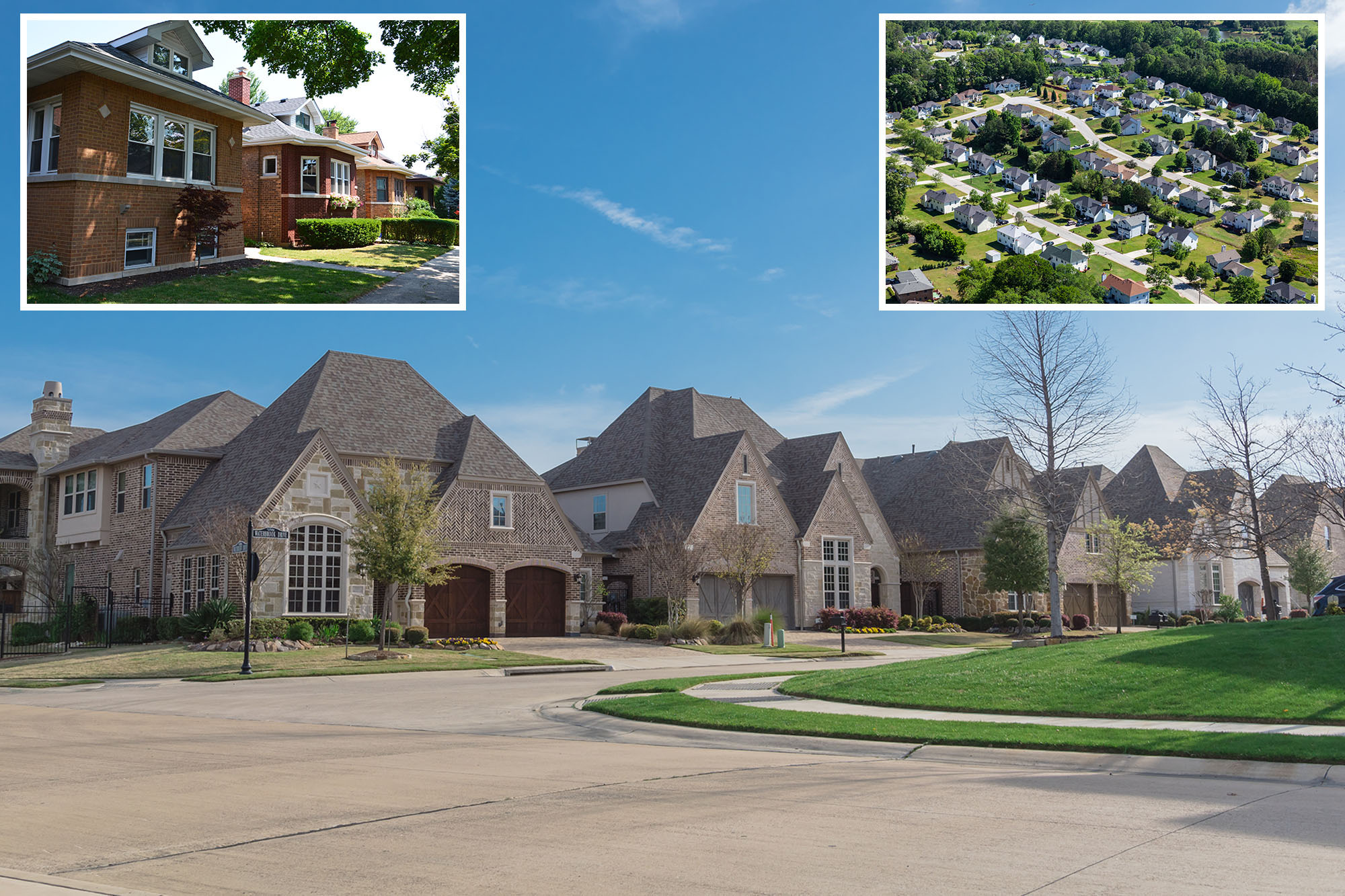
Affordability emerged as a significant concern for homebuyers in 2025, prompting a shift in focus from high-demand markets to areas offering greater value for their investments. As mortgage rates rose and budgets tightened, many buyers aimed to maximize their housing budget by seeking larger homes at lower costs. According to the Realtor.com® Most for Your Money Metro 2025 report, while the national median price per square foot remained around $229 from January to November, certain metropolitan areas provided a more attractive cost-to-space ratio.
Top Markets for Homebuyers in 2025
Anthony Smith, senior economist at Realtor.com, emphasized that the “Most for Your Money” designation in 2025 was not solely about the lowest prices but also about maximizing space. The cities that topped the list combined low prices per square foot with larger average home sizes. This approach enabled buyers to consider space efficiency, rather than just the upfront costs associated with purchasing a home.
Three major Texas cities—Houston, San Antonio, and Dallas—ranked among the top five markets for value. Smith noted that these Texas metros excelled in delivering more space for less, thanks to their ability to expand outward. This allowed for larger typical home sizes compared to many mature urban areas that often rely on teardowns or vertical construction to accommodate demand.
In Houston, the median listing price per square foot in 2025 was $174, with a median home price of $354,999 and an average home size of 2,093 square feet. This figure exceeds the national median home size of 1,820 square feet by 273 square feet. Smith remarked, “For buyers focused on maximizing space, Houston remained one of the most compelling large-market options in the country.”
San Antonio followed closely, with a median listing price per square foot of $179, a median price of $324,900, and an average home size of 1,933 square feet. Local real estate expert, Daniel Cabrera, noted that properties priced under $200 per square foot often come with desirable features such as flex rooms, game rooms, and spacious covered patios, adding to the overall value for buyers.
Atlanta Emerges as a Leading Value Market
The Atlanta metropolitan area also stood out for its value proposition, with a median listing price per square foot of $196 and a median home price of $410,000. The average home size here was 2,164 square feet. Smith explained that Atlanta’s larger home sizes helped mitigate the impact of higher median listing prices.
Real estate professional Bruce Ailion highlighted Atlanta’s appeal to buyers relocating from states like New York and California, where smaller homes often come with much higher price tags. “People visit friends, relatives, and colleagues in Atlanta. They see the bigger homes people are living in and the amenities the city offers, which sparks interest in moving here,” he stated.
Dallas–Fort Worth also maintained its reputation for spacious living, with a median listing price per square foot of $204, a median price of $420,000, and an average home size of 2,154 square feet. Smith noted that many buyers in this region desire larger homes and lots, reflecting the Texas lifestyle.
In contrast, the Chicago metro area provided a different value profile. While homes were typically smaller than in many Sun Belt regions, lower overall prices and a below-average price per square foot kept the market competitive. The median listing price per square foot in Chicago was $212, with a median home price of $357,000 and an average home size of 1,700 square feet. Smith remarked that the Chicago market attracted buyers who prioritize overall cost rather than sheer square footage.
As 2025 progresses, the trend of seeking value over mere affordability continues to shape the housing landscape. Homebuyers are increasingly focused on how far their budgets can stretch in terms of space, which is likely to influence their purchasing decisions in the months ahead.