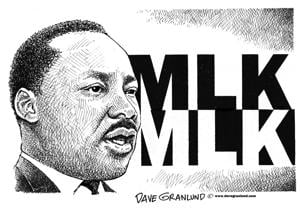
Martin Luther King Jr. Day, observed annually following New Year’s Day, serves as a federal holiday to honor the civil rights leader’s profound impact. While schools and offices close and various ceremonies take place, there is a growing concern that the day is often reduced to mere words and social media posts. It is essential to recognize that Dr. King’s legacy demands more than a day of reflection; it calls for ongoing action toward justice and equality.
Moving Beyond Commemoration
Each year, communities across the globe participate in events that celebrate Dr. King’s contributions to civil rights. Ceremonies, luncheons, and discussions highlight quotes that inspire, but many argue that these activities often lack the substance required to instigate real change. Dr. King did not sacrifice his life for his ideals to be summarized in soundbites or commemorated with fleeting gestures.
The essence of Dr. King’s work was rooted in action. He advocated for a society where equality and justice were not just aspirations but realities. This vision requires a commitment that extends beyond a single day of remembrance. In cities like Atlanta and Washington, D.C., organizations are increasingly encouraging citizens to engage in community service or activism as a way to honor Dr. King’s legacy.
Call to Action for Change
As people reflect on Dr. King’s messages of unity and resilience, it is crucial to translate these sentiments into tangible efforts. Initiatives that address systemic inequalities, promote education, and foster community engagement are vital. According to a report by the **Pew Research Center**, only a small percentage of individuals actively participate in civic activities such as volunteering or attending town hall meetings. This statistic underscores the urgent need for a cultural shift that prioritizes action over passive commemoration.
Many organizations have taken the lead, using this day as a springboard for discussions on civil rights issues that persist today. Social media platforms have also become arenas for impactful dialogue, with hashtags related to Dr. King trending annually. Yet, while these online conversations are important, they should serve as a precursor to real-world action—whether through advocacy, education, or community service.
In conclusion, honoring Dr. King requires a commitment to transformation. As society commemorates his life, it is imperative to engage in meaningful actions that reflect his principles. The challenge lies not in merely remembering a historical figure, but in embodying his teachings through a continuous push for equality and justice in everyday life.