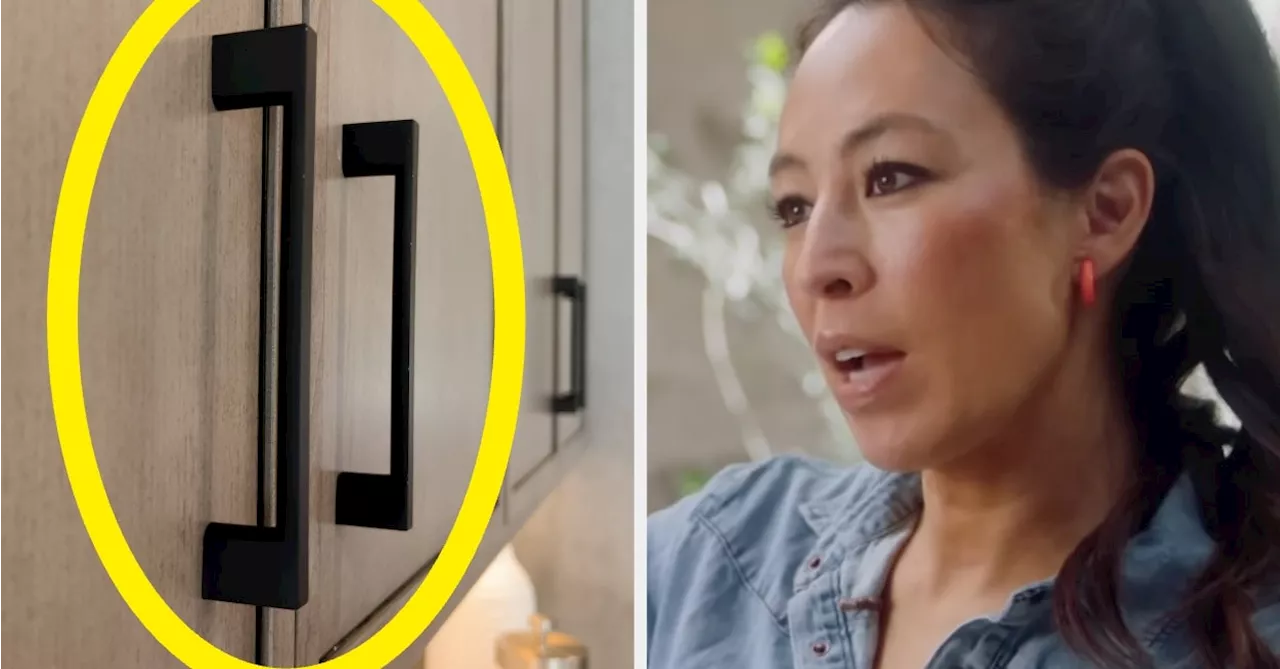
Interior design trends often captivate homeowners with their novelty and aesthetic appeal. However, as tastes evolve, many popular styles risk becoming dated. A recent discussion among design enthusiasts highlighted several trends that are likely to feel out of place within the next decade. Among them are open floor plans and matte black hardware, with participants expressing concerns about their longevity.
Shifting Preferences in Open Spaces and Color Schemes
Open floor plans, once celebrated for their spaciousness and connectivity, may soon fall from favor. Critics argue that these layouts can lead to acoustic issues and unpleasant kitchen odors permeating living spaces. One participant remarked, “Does anyone actually like open floor plans? The sound travels, kitchen smells travel.” This sentiment reflects a growing desire for more defined living areas that provide both functionality and privacy.
The conversation further delved into color choices, particularly the rise of green kitchen cabinets. While this hue has become a popular choice, some believe it lacks the timelessness associated with classic designs. As one participant noted, “Once something becomes trendy, it seems to lose that ‘classic’ designation.” This observation points to a broader trend where once-unique styles become overly familiar and, ultimately, less appealing.
Accents and Features Facing the Test of Time
Design elements such as matte black hardware and gold accents are also under scrutiny. Matte black fixtures, while currently trendy, face criticism for their potential to quickly date a home. A contributor mentioned, “Since every single person seems to be using it as their main finish option, it will immediately date a build to the 2020s.” Similarly, gold accents, which have dominated recent interior designs, may not age well either. A respondent suggested that these shiny elements “will look incredibly dated in 20 years.”
The ongoing popularity of mid-century modern design was also questioned, with one participant asserting that its current iteration may soon be perceived as outdated. “Some elements are classics, but it’s also been overdone, and people are getting bored with it,” they stated.
Additionally, the use of neutral colors, particularly beige and gray, is anticipated to fade as brighter hues make a comeback. The cyclical nature of color trends suggests that what was once considered contemporary may soon be seen as passé.
Participants also expressed skepticism about certain fixtures, such as bowl-shaped sinks and freestanding tubs. While aesthetically pleasing, these features can pose maintenance challenges, raising questions about their practicality in everyday use.
In a reflective moment, one contributor shared their fondness for past design trends, stating, “Trends are totally normal and okay in interior design. They’re just a fact of life in our culture.” This perspective underscores the transient nature of design preferences and the inevitability of change.
As the conversation concluded, participants were left to ponder which trends they would be glad to see fade and which they secretly hoped would endure. The dynamic nature of interior design ensures that today’s popular choices will eventually give way to new styles, leaving homeowners to navigate the ever-evolving landscape of aesthetics.