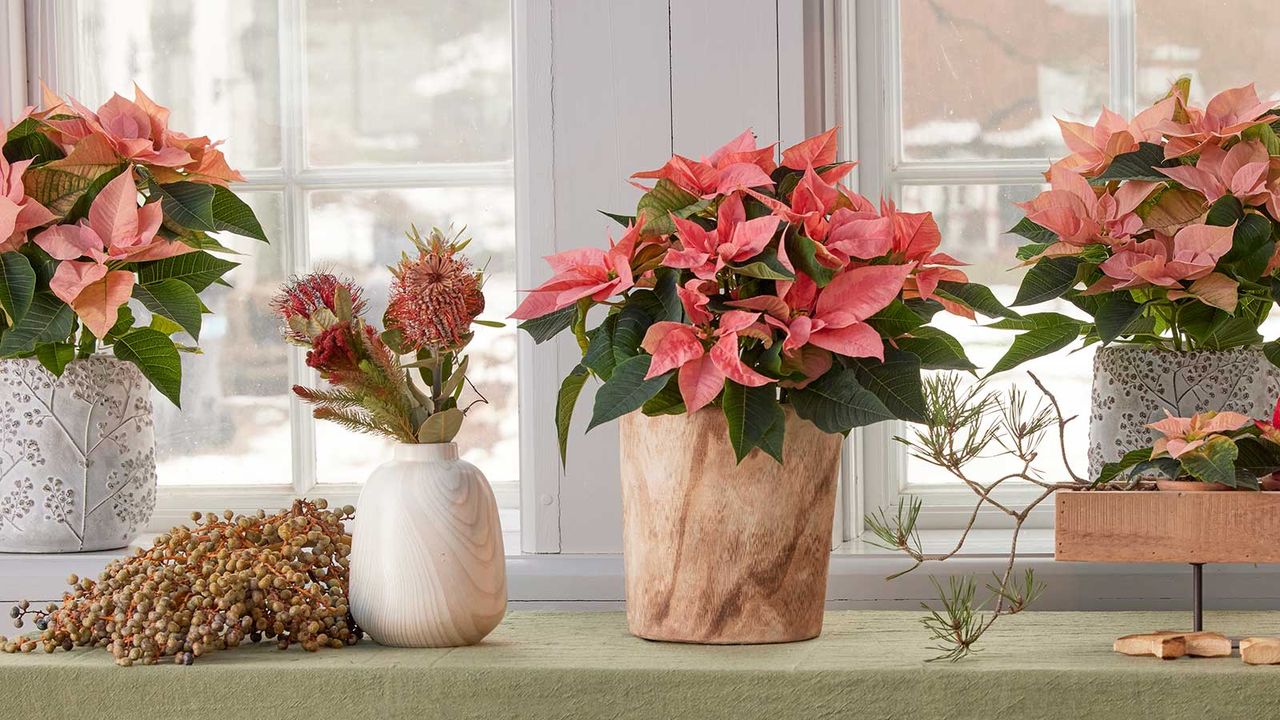
Poinsettias have become synonymous with the festive season, bringing vibrant color and cheer to homes around the world. Originally introduced to the United States in the early 19th century by the botanist and diplomat Joel Roberts Poinsett, these tropical plants require specific care to maintain their beauty beyond the Christmas season. Despite their reputation for being difficult to care for, with the right guidance, they can flourish indoors for many winters to come.
Understanding Poinsettia Care
To ensure your poinsettias remain healthy and vibrant, start by selecting a quality plant. Choose a poinsettia from a reputable store or garden center, looking for dense foliage and budding flowers nestled between the colorful bracts. Naomi Robinson, founder of Houseplant Authority, advises against purchasing plants displayed near automatic doors, as temperature fluctuations can harm them.
When transporting your poinsettia home, protect it from drafts and temperatures below 12°C (54°F). Dr. Susanne Lux, an international campaign coordinator at the grower collective Stars for Europe, recommends wrapping the plant in paper to shield it from cold air. Once home, place it on a saucer to avoid excess water pooling in the pot.
Maintaining a consistent temperature is crucial for poinsettias. These plants prefer a stable environment, ideally between 15-22°C (59-72°F). Sudden temperature changes, such as moving them near a drafty window or an exterior door, can lead to leaf drop or fading bracts. While they do not thrive in direct sunlight, placing them near a south-facing window during winter is generally acceptable.
Watering and Feeding Your Poinsettia
Proper watering is essential for the health of your poinsettia. Instead of adhering to a strict schedule, check the soil regularly and water only when the top inch feels dry. Gail Pabst from the National Garden Bureau highlights that overwatering is a common mistake. For a typical 5-inch pot, one small glass of water is sufficient, and any excess water should be removed after ten minutes to prevent waterlogging.
Feeding your poinsettia should be approached with caution. Fertilization is not recommended while the plant is in full bloom. According to Andrew Gaumond, an editorial director at Petal Republic, nutrients are best applied after the colorful bracts begin to fade, which helps support new growth for the next season. Generally, these plants require fertilization only once or twice during the spring and summer months with a balanced, water-soluble houseplant feed.
By adhering to these guidelines, your poinsettias can thrive well beyond the holiday season, creating a lasting display of color and joy in your home. With careful attention to their needs, these striking plants can become a cherished part of your indoor garden for years to come.