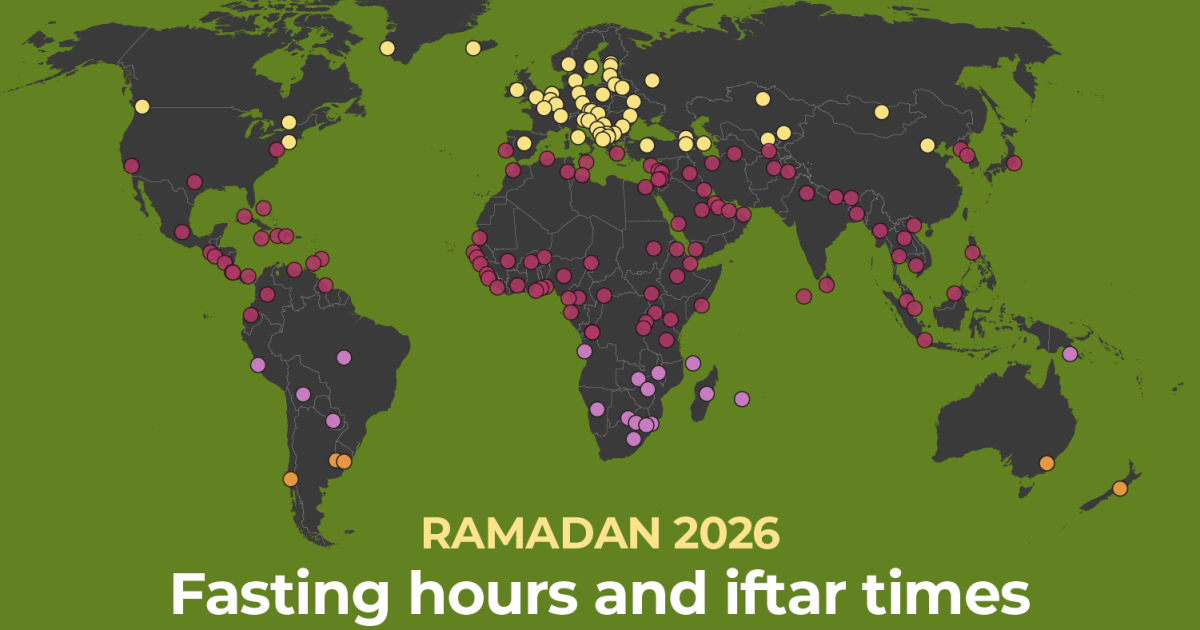
Muslims around the globe will commence fasting for Ramadan on February 18, 2026, following the sighting of the crescent moon by a committee in Saudi Arabia. This significant month lasts for either 29 or 30 days, during which individuals observing the fast will refrain from eating and drinking from dawn until dusk. Depending on geographical location, fasting hours will vary from approximately 11.5 to 15.5 hours.
Ramadan is a month of deep spiritual reflection for Muslims, marking the time when the first verses of the Quran were revealed to the Prophet Muhammad over 1,400 years ago. The fast is intended to cultivate greater “taqwa,” or consciousness of God, through abstinence from food, drink, smoking, and sexual relations during daylight hours.
Why Ramadan Dates Change Annually
The start of Ramadan shifts each year by 10 to 12 days due to the Islamic calendar being based on the lunar Hijri system. This lunar year is shorter than the solar year by about 11 days, meaning that in 2030, Ramadan will occur twice—beginning on January 5 and again on December 26.
For the approximately 90 percent of the global Muslim population residing in the Northern Hemisphere, the fasting hours will be shorter this year, particularly since Ramadan falls during winter. The first day of fasting will last around 12 to 13 hours, with durations increasing as the month progresses. Conversely, in southern countries such as Chile, New Zealand, and South Africa, the fasting hours will begin at approximately 14 to 15 hours and will gradually decrease throughout the month.
Fasting Hours and Iftar Times
The number of daylight hours significantly impacts the fasting experience. Muslims in different regions will observe varying fasting times, as indicated in a comprehensive table of fasting hours, suhoor, and iftar timings for both the first and last days of Ramadan 2026. This resource can be used to find specific times for various cities around the world.
During this time, Muslims often exchange greetings in their native languages, with phrases such as “Ramadan Mubarak” and “Ramadan Kareem” being among the most common. These expressions wish others a blessed or generous month, reflecting the community spirit of this holy period.
As Ramadan approaches, millions are preparing for a month of fasting, reflection, and spiritual growth, uniting in their shared faith and traditions.