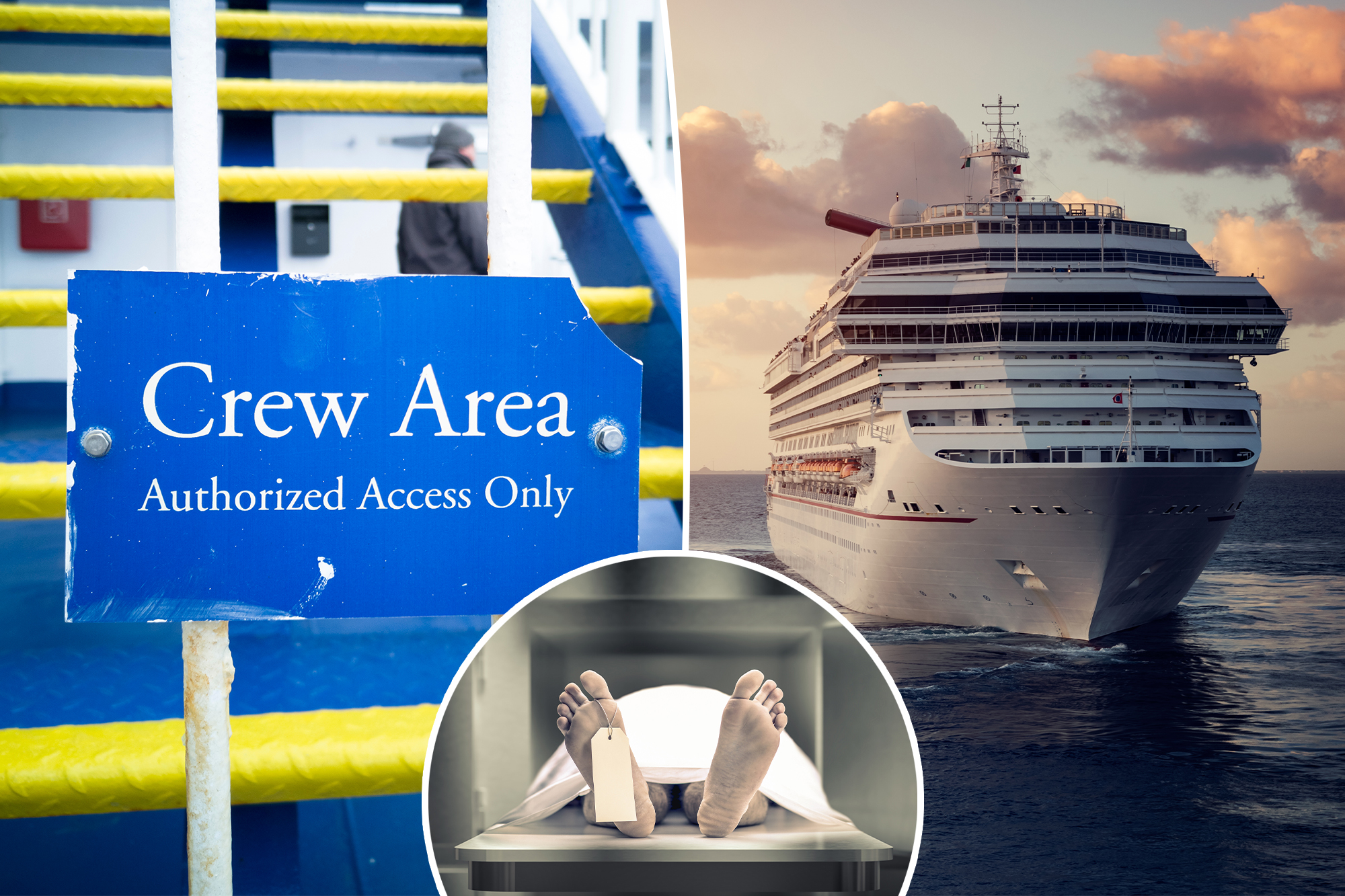
Royal Caribbean is facing serious allegations following the death of passenger Michael Virgil, who reportedly died onboard the Navigator of the Seas after consuming 33 alcoholic beverages in December 2024. A wrongful death lawsuit filed by his family claims that crew members mishandled the situation by storing his body in a refrigerator instead of returning to port in Long Beach, California, despite pleas from his fiancée, Connie Aguilar.
This incident has raised questions about the protocols cruise lines follow when a passenger dies at sea. According to sources familiar with maritime operations, many cruise ships are equipped with hidden morgues, typically located on lower decks, where deceased passengers can be stored. These refrigerated areas are designed to keep bodies until the ship reaches a port where proper arrangements can be made.
The situation surrounding Virgil’s death has drawn attention to how cruise lines manage fatalities. Insiders suggest that cruise ships often use coded language to communicate about deaths to avoid alarming other passengers. Keith Brais, a Florida-based attorney specializing in maritime law, points out that cruise companies are not generally required to disclose the findings of their investigations into passenger deaths. This lack of transparency can lead to situations where deaths are attributed to “natural causes,” even when the circumstances suggest otherwise.
Brais also highlighted that alcohol is often a contributing factor in such incidents. In Virgil’s case, an autopsy report indicated that his blood-alcohol concentration ranged between 0.182% and 0.186%, more than twice the legal driving limit. While a blood-alcohol level of 0.40% or higher is considered potentially fatal, various complications can lead to death at lower levels, such as respiratory failure or dehydration.
The lawsuit details a troubling sequence of events leading to Virgil’s death. After becoming disoriented and unable to locate his cabin, he allegedly confronted crew members and other passengers, resulting in a physical altercation. According to the claims, crew members restrained him using their full body weight, administered an injection of the sedative Haloperidol, and deployed pepper spray. Despite being taken to the medical center while still breathing, he later died. The Los Angeles County Medical Examiner’s Office categorized his death as “cardiopulmonary arrest” and ruled it a homicide.
Cruise lines are mandated by the Cruise Vessel Security and Safety Act to track crimes and serious incidents aboard their vessels. However, the handling of passenger deaths continues to be a complex and often murky area. Critics argue that the lack of accountability and transparency can put passengers at risk, as cruise lines may prioritize their image over the well-being of those on board.
This case is expected to draw further scrutiny as the legal proceedings unfold, potentially prompting discussions about the standards and practices of the cruise industry regarding passenger safety and emergency protocols. As the family of Michael Virgil seeks justice, the broader implications of how cruise lines manage emergencies at sea remain a critical concern for travelers and industry observers alike.