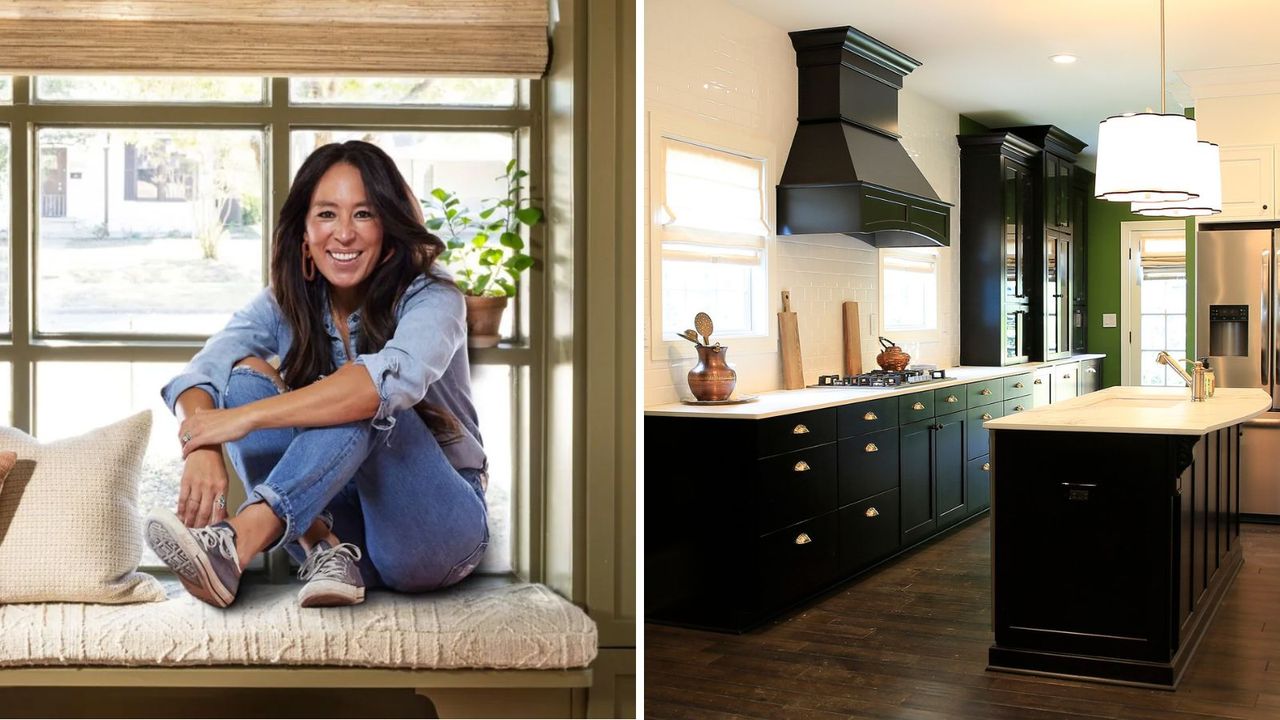
Joanna Gaines has captivated interior design enthusiasts for years, particularly with her rustic yet elegant kitchen designs. Her dark green kitchen in the Waco farmhouse stands out as a prime example of how thoughtful material choices can transform a space. By focusing on three key elements—marble, antiqued metallics, and natural wood—Gaines creates a warm and inviting atmosphere that resonates with many homeowners.
The success of her design approach lies in the balance of these materials. Interior design expert Leslie Ward from Raleigh Realty emphasizes the importance of distribution in design elements. “Using wood as a warm base, marble as the bright contrast, and metallics as the accent will create the right balance,” she states. However, Ward cautions against overusing any one element, noting that “too much metal will look overdone; just the cabinet pulls, the faucet, and the pendant lights are sufficient.”
Understanding Material Choices
According to Jordan Mosslar, Founder of the stone atelier FORM(LA), marble is a striking choice for dark green kitchens. “Marble is a great way to add light, movement, and refinement without introducing another bold color. The natural veining helps break up large dark surfaces, keeping the space from feeling too heavy,” he explains. He suggests using marble in prominent areas like countertops or backsplashes, which can serve as visual anchors and help balance the overall color palette.
For those seeking to incorporate marble without the expense or maintenance of larger surfaces, smaller accent pieces like marble platters from Crate & Barrel or decorative candle holders can achieve a similar aesthetic.
In addition to marble, warm metallics play a crucial role in the design. Halil Oguz, Founder of Mosaicenter, recommends using brushed gold or antiqued brass as opposed to cooler tones like chrome. “Dark green has deep, cool undertones. If you use silver, the kitchen will feel hospital sterile,” he explains. The complementary nature of green and red (the base of copper and gold) creates a warmth that enhances the overall ambiance.
Wood also plays a significant role in Joanna Gaines’ design philosophy. “Because green is a natural color, it needs wood to make sense,” Oguz notes. He advocates for medium-tone woods, like white oak, to soften the formal elements and connect the design to a more organic feel. Wood can be introduced through kitchen islands, shelving, or even small accessories such as serving boards.
Applying the 60-30-10 Rule
To achieve the perfect balance in kitchen design, Oguz suggests applying the 60-30-10 rule: 60% dark green cabinetry, 30% warm marble or wood for surfaces, and 10% antiqued metallics for hardware and lighting. This guideline ensures that the kitchen remains timeless and adaptable to both traditional and contemporary settings.
By embracing these design principles and integrating these materials, homeowners can create sophisticated yet livable spaces. The combination of Joanna Gaines’ aesthetic with expert advice allows for a kitchen that is both functional and stylish.
For those interested in infusing their kitchens with Joanna Gaines’ charm, consider exploring options from retailers such as West Elm and JPD Interiors, which offer furniture and décor that reflect this popular design trend.
Creating a kitchen that balances style and function doesn’t have to be a daunting task. With the right materials and a clear vision, anyone can achieve a space that feels uniquely theirs, echoing the warmth and elegance that Joanna Gaines exemplifies in her designs.