A strong field of 21 Republican candidates has emerged in the race for the governorship of Colorado, highlighting a competitive landscape as the state approaches the 2026 elections. With current Governor Jared Polis term-limited and unable to seek re-election, the Republican Party is eager to reverse a trend that has seen Democrats dominate the office for the past two decades.
Since 1975, only one Republican, Bill Owens, has successfully captured the governorship, winning by a narrow margin in 1998 and re-elected in 2002 with a larger lead. The last five elections have all swung in favor of Democratic candidates, with margins of victory ranging from 10% to 20%. As Republicans gear up for the primary elections on June 30, 2026, followed by the general election on November 3, 2026, they are keen to identify a candidate capable of breaking this cycle.
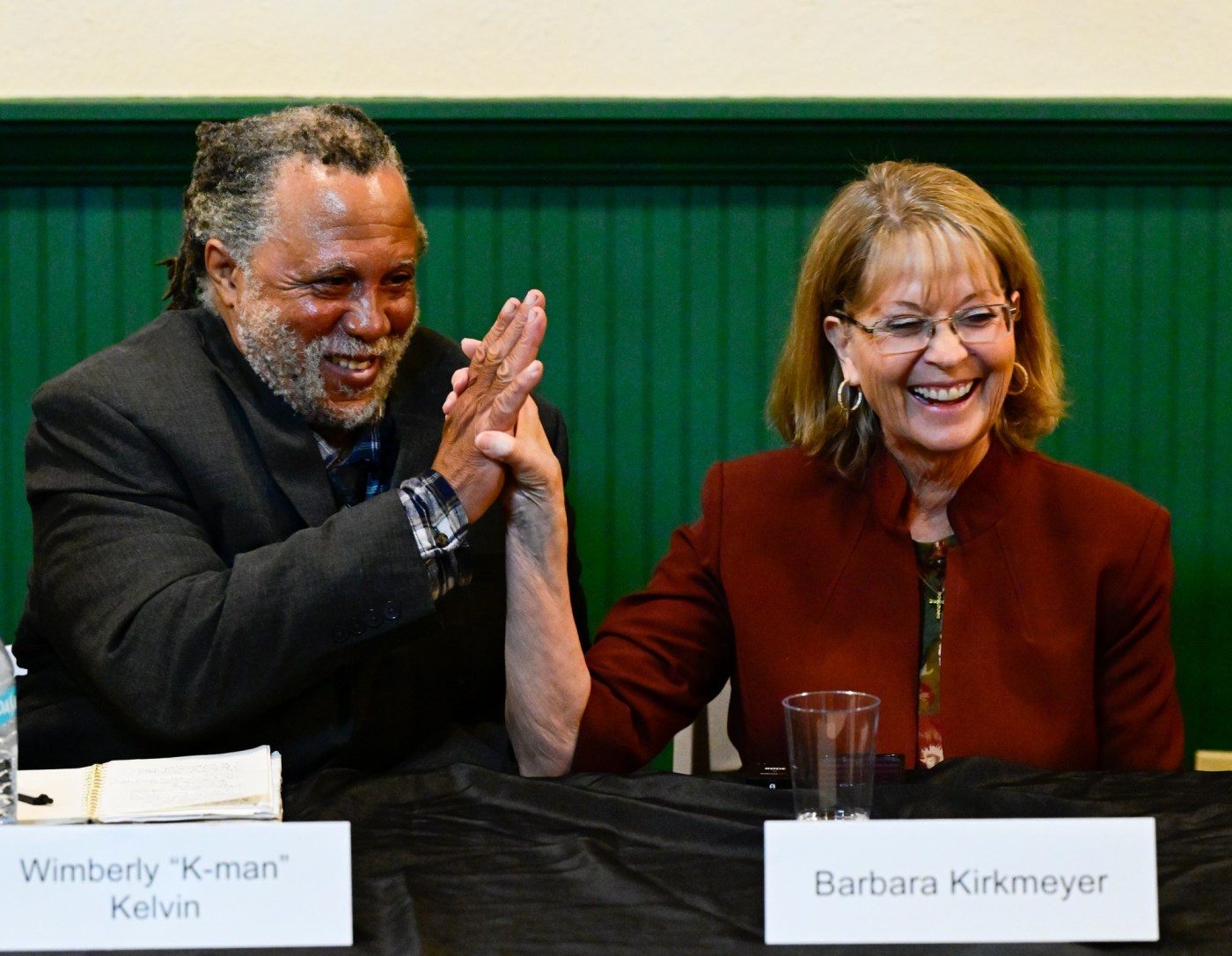
Among the frontrunners is Senator Barb Kirkmeyer, who announced her candidacy in September. With nearly two decades of experience as a Weld County commissioner, Kirkmeyer has built a solid reputation in the Colorado legislature. She has received endorsements from Owens and U.S. Representative Gabe Evans. Kirkmeyer currently leads the fundraising efforts, having raised a substantial $54,932, which accounts for a third of all contributions in the race. Owens praised her, stating, “Barb Kirkmeyer is exactly what Colorado needs in this moment.”
Another prominent candidate is Greg Lopez, who is making his third attempt for the governorship. Lopez previously served as the 4th District congressman and has a background as an Air Force veteran and a businessman. He is currently ranked third in fundraising and emphasizes the urgency of the state’s future. “The future of Colorado is on the line,” he stated in his campaign announcement.
Other notable contenders include Senator Mark Baisley and Representative Scott Bottoms. Baisley, who has a significant background in technology, is committed to conservative principles and aims to rally support among those who feel the state has been lost. His campaign platform is encapsulated in the phrase “Making Colorado Great Again.” Bottoms, also a veteran and a pastor, has garnered attention for his strong stance on public safety and fiscal responsibility. He won a straw poll in a Northern Colorado candidate forum, further establishing his presence in the race.
Completing the list of top fundraisers is Jason Mikesell, who serves as Teller County sheriff and has a background in training special forces. He has also emphasized the urgent challenges facing Colorado, including public safety and housing issues.
In addition to these candidates, others are gaining traction, such as Victor Marx, a Marine veteran known for his humanitarian work, and Jason Clark, who has previously run for governor and is well-funded from his prior campaigns.
As the Republican candidates prepare for the June primary, they will face not only each other but the challenge of unseating the Democrats, who have a solid hold on Colorado politics. Currently, there are seven Democratic candidates vying for the governorship, setting the stage for a potentially heated election cycle.
The candidates’ paths to the ballot involve earning at least 30% of delegate votes at a party assembly or through signature petitions. This process was notably effective in the previous congressional primaries, allowing a crowded field to narrow down to strong contenders.
With a diverse range of candidates vying for attention and support, the Republican Party in Colorado is poised for a pivotal election season. The outcome could significantly impact both the state and national political landscape as Republicans aim to reclaim the governor’s office in the upcoming elections.