Child care advocates in New York are urging for increased wages for child care workers to ensure the success of the state’s new universal child care initiative. This call to action follows an announcement by Governor Kathy Hochul regarding the implementation of a universal child care plan aimed at making quality care accessible for families across the state.
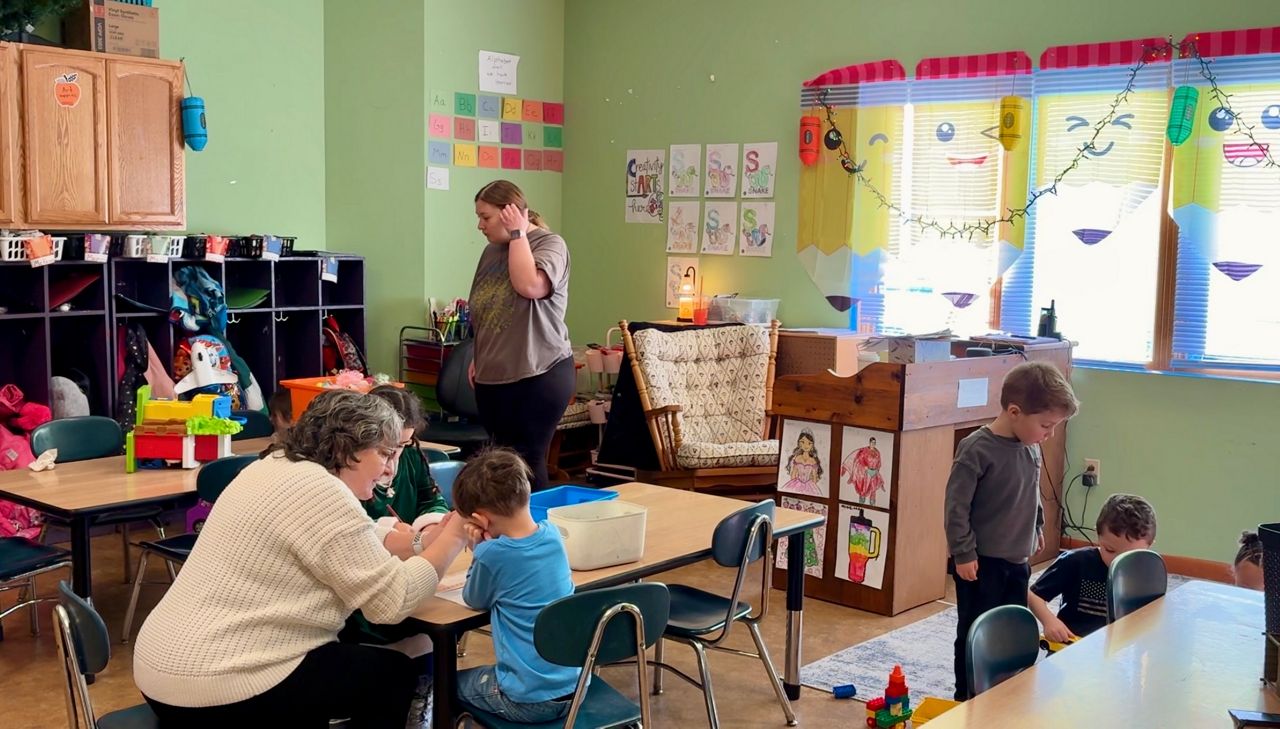
Many workers in the field report that their salaries are significantly below a livable wage. Katelyn Fredricks, director of Joyful Beginnings, expressed her passion for caring for children but acknowledged the financial strain her position places on her family. “This field doesn’t pay a lot,” she stated. Despite her dedication, Fredricks admitted that her paycheck often falls short of covering necessary expenses, forcing her to forgo essential items to support her family.
In light of the universal child care announcement, advocates are pleased with the state’s commitment but are concerned about the lack of specific plans to increase compensation for child care workers. Shoshana Hershkowitz, campaign manager for the Empire State Campaign for Child Care, emphasized the need for a robust workforce. “We’re going to need to grow the child care workforce, and to recruit and retain the child care workforce for the long haul, we’re going to need to raise wages,” she explained.
The Empire State Campaign for Child Care has put forward a proposal for a permanent state fund to enhance the compensation of child care workers, estimating a cost of $1.2 billion for the 2026-27 budget. Hershkowitz highlighted that the median income for a child care educator in New York is between $36,000 and $38,000, which she argues is insufficient to sustain a decent standard of living.
Research from the Schuyler Center for Analysis and Advocacy underscores this disparity, illustrating that child care workers earn less than half of what elementary school teachers make. In fact, many retail sales clerks earn more than those in child care roles. Rebecca Bailin, executive director of New Yorkers United for Child Care, stated, “We can make sure there’s a minimum wage for our child care workers and frankly, it needs to be high.” She noted that with government funding, there is an opportunity to set a higher wage standard for those who play a critical role in early childhood education.
The push for increased wages is not just about attracting talent; it is also about retaining skilled professionals who are dedicated to the well-being of children. As New York embarks on this ambitious plan for universal child care, the focus on fair compensation for workers is essential to ensure its long-term sustainability and success.
With the implementation of universal child care on the horizon, the call for better wages reflects a growing recognition of the vital role that child care workers play in nurturing and educating the next generation. Advocates continue to push for policies that prioritize the financial well-being of these essential workers, underscoring that investing in child care is an investment in the future of New York’s children and families.