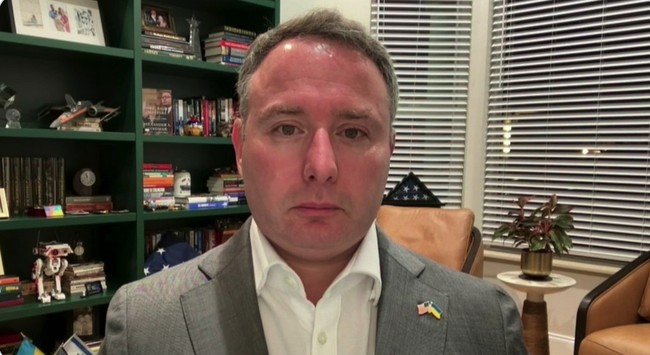
Former U.S. Army Lieutenant Colonel Alexander Vindman has expressed his concerns regarding the expansive powers of presidential pardons. He advocates for a constitutional amendment that would require the approval of the U.S. Senate before a president can grant pardons. This statement comes amid ongoing debates about the implications of these powers, particularly in the context of former President Donald Trump and future administrations.
Vindman’s remarks suggest that the current political climate necessitates a reevaluation of the pardon process. He believes that the unchecked ability of presidents to issue pardons undermines the judicial system and encourages a lack of accountability. “We are rapidly approaching the need to curtail @realDonaldTrump’s (and future presidents’) pardon/amnesty powers,” he stated on social media.
While Vindman’s proposal aims to introduce a layer of legislative oversight, it raises questions about the balance of powers within the U.S. government. The presidential pardon serves as an executive check on the judicial branch; thus, involving the legislative branch could complicate this dynamic. Critics argue that requiring Senate consent for pardons is impractical and unlikely to gain traction in Congress.
The discussion around pardons gained renewed attention following a series of controversial actions by both Trump and President Joe Biden. Critics have pointed out that Biden’s use of the autopen to sign pardons has sparked its own set of concerns regarding the legitimacy of executive actions. This has led to accusations that Vindman’s focus on Trump may overlook similar issues within the current administration.
As the dialogue continues, some voices in the political sphere express skepticism about the feasibility of Vindman’s amendment proposal. Many assert that amending the Constitution is a challenging process, often requiring significant bipartisan support, which may not be achievable in today’s polarized political environment.
The need for reform in the pardon process is a contentious topic. Advocates for change argue that it is essential for upholding the integrity of the legal system, while opponents contend that such changes could hinder presidential authority and accountability.
In the coming months, this issue is likely to remain a focal point in political discussions, especially as public sentiment on executive powers evolves. The debate over presidential pardons encapsulates broader concerns about governance, accountability, and the role of the judiciary in the American political system.