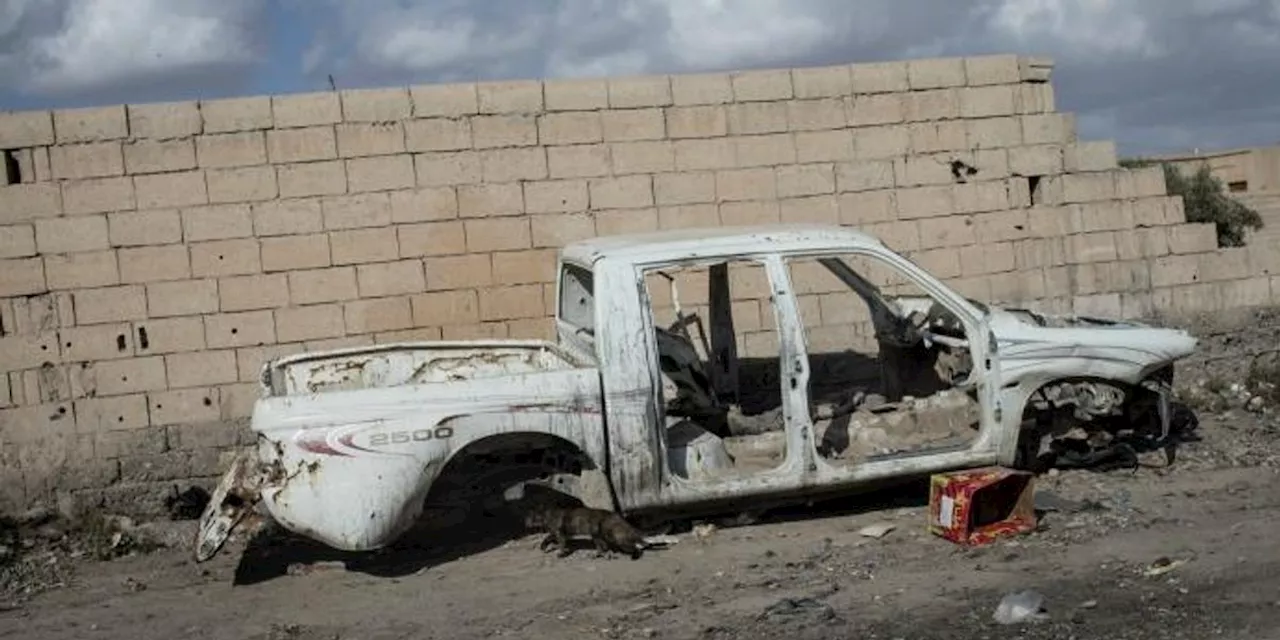
Amnesty International has urged the U.S.-led military coalition to conduct an independent investigation into the civilian casualties resulting from its offensive in Raqqa, Syria, which took place between June and October 2017. The call for accountability follows the coalition’s recent admission of civilian deaths during the operation, which was marked by a shift to what U.S. Defense Secretary James Mattis termed “annihilation tactics” against the Islamic State.
According to a report from Amnesty, the coalition now acknowledges that it killed at least 77 civilians, including 24 children and 25 women, during the Raqqa offensive. However, Donatella Rovera, a senior crisis response adviser with Amnesty International, described this figure as “only the tip of the iceberg.” She emphasized that survivors and witnesses have indicated a much higher death toll, potentially in the hundreds.
The airstrikes that occurred during the Raqqa siege were extensive. Military advisors reported that coalition forces were relentlessly targeting ISIS positions with mortars, artillery, rockets, and drones. On August 20, 2017, for example, the coalition acknowledged killing 42 civilians in two separate strikes, while there were actually 50 other strikes conducted that day.
One heartbreaking account comes from Rasha Badran, whose one-year-old daughter, Tulip, was killed in a strike on that very day. Badran recounted the chaos that ensued following the attack, describing how she lost consciousness and later woke to find her family amidst the rubble. “Almost everybody was killed. Only I, my husband, and his brother and cousin survived,” she shared, highlighting the devastating impact on her family.
The urgency of Amnesty’s call for transparency stems from the need for the coalition to address its targeting methodology and the measures it took to minimize civilian harm. “How can the coalition avoid inflicting high civilian death tolls in the future without accounting for what went wrong in Raqqa?” Rovera questioned. She pointed out that without thorough investigations into the thousands of coalition airstrikes, the true scale of civilian casualties may never be fully understood.
In June, following the release of Amnesty’s report, U.S. Army Col. Thomas Veale, a spokesperson for the coalition, stated, “As far as how do we know how many civilians were killed—I’m just being honest—no one will ever know.” This admission underscores the challenges in determining the full extent of casualties in conflict zones.
As the humanitarian crisis continues to unfold, the plight of Raqqa’s civilians remains a pressing concern. Amnesty International’s push for an independent investigation seeks not only to honor the victims but also to ensure that similar tragedies are prevented in future military operations. The organization calls for accountability and transparency as vital steps toward justice for those affected by the violence in Raqqa.