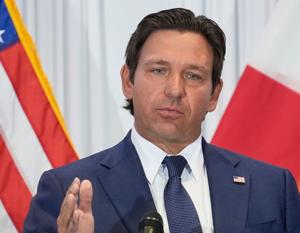
A prominent Muslim civil rights organization has initiated legal action against Florida Governor Ron DeSantis following his controversial directive that labels the group as a “foreign terrorist organization.” The CAIR Foundation, along with its Florida affiliate, filed the lawsuit on October 3, 2023, asserting that the governor’s order violates the U.S. Constitution.
The lawsuit claims that the designation not only mischaracterizes the organization but also infringes upon its rights under the First Amendment. The CAIR Foundation contends that the label is intended to undermine their advocacy work and intimidate their supporters. This action marks a significant escalation in tensions between state officials and civil rights advocates.
Background of the Conflict
The conflict stems from Governor DeSantis’s executive order, issued in late September, which targets organizations he views as supportive of terrorism. In the wake of heightened concerns over national security, the governor has made several statements linking groups like the CAIR Foundation to foreign influences.
This stance has drawn criticism from various civil rights advocates, who argue that it fosters discrimination against Muslim communities across the state. The CAIR Foundation has been a vocal advocate for Muslim rights and has worked to combat Islamophobia in the United States for decades.
Legal experts suggest that the lawsuit could have significant implications, not just for the CAIR Foundation, but also for the broader landscape of civil rights in Florida. They argue that if successful, the case could set a precedent regarding how state governments interact with civil rights organizations.
Legal and Political Reactions
In response to the lawsuit, Governor DeSantis defended his actions, asserting that the order is necessary to ensure public safety. His administration argues that the CAIR Foundation has ties to foreign entities that pose a threat to national security.
Critics, however, view the governor’s rhetoric as politically motivated, aimed at rallying his base ahead of upcoming elections. The lawsuit has prompted a broader discussion about the implications of labeling organizations in a politically charged environment.
As the case unfolds, it will likely attract attention from legal scholars and civil rights organizations across the country. The outcome may influence similar actions in other states, particularly those with contentious relationships between state officials and civil rights advocates.
The CAIR Foundation has expressed confidence in their legal stance, emphasizing their commitment to defending the rights of all individuals, regardless of their background. They argue that the governor’s actions not only threaten their organization but also undermine the principles of free speech and association in the United States.
As this legal battle progresses, it highlights the ongoing struggle for civil rights in a rapidly changing political landscape. The implications of this case will be closely monitored by both supporters and detractors, reflecting the deep divisions that continue to shape discussions around race, religion, and identity in America.