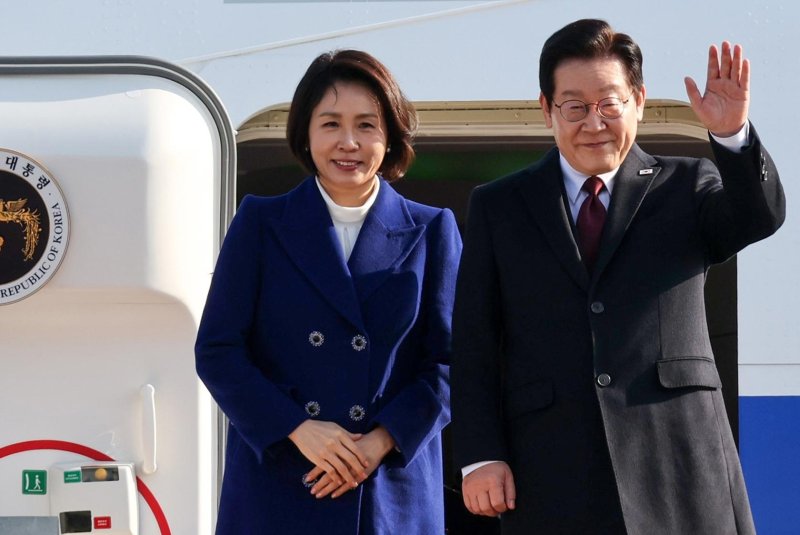
China has warmly welcomed South Korean President Lee Jae-myung during his state visit to Beijing, which commenced on January 4, 2024. This is Lee’s first official trip to China since taking office, marking a significant diplomatic engagement after nearly a decade. Analysts and state media reports indicate that China intends to encourage Seoul to adopt a neutral stance in its relations with both Washington and Beijing.
The visit has garnered substantial coverage from Chinese state media, highlighting its importance. President Lee participated in a notable interview on the program “High-End Interview” aired by China Central Television, where he discussed various aspects of South Korea-China relations. Commentators have framed this trip as an opportunity to mend ties that have faced challenges in recent years.
Significance of the Visit
According to Asia Today, experts view this visit as a potential turning point for bilateral relations. Zhan Debin, who heads the Center for Korean Peninsula Studies at Shanghai University of International Business and Economics, described the trip as a chance to reset diplomatic ties, which have been strained due to the previous South Korean administration’s policies. This previous government was perceived by Beijing as having confrontational stances, which did not benefit South Korea’s national interests.
In contrast, the current administration under President Lee appears to be recalibrating its approach to China. The summit is expected to focus on advancing Beijing’s priorities, particularly urging Seoul to maintain a neutral position between China and the United States. This is especially relevant given Japan’s increasing alignment with Washington under Prime Minister Sanae Takaichi.
Key Issues on the Agenda
As President Lee engages with Chinese leadership, including meetings with President Xi Jinping on Monday and Premier Li Qiang on Tuesday, several key issues are anticipated to be discussed. One of the primary topics is China’s One China policy, with Beijing likely seeking firm support from Seoul. Any discussions regarding intervention in potential Taiwan contingencies could further complicate the relationship.
Additionally, Beijing may express concerns over the rising anti-China sentiment in South Korea, as well as ongoing debates within Seoul about the introduction of nuclear-powered submarines. These discussions reflect the complexities of regional security dynamics and the delicate balance South Korea seeks to maintain.
The visit underscores a strategic moment for both nations, as they navigate their respective relationships with the United States and each other. As President Lee aims to foster cooperation and dialogue, the outcomes of this trip could shape the future of South Korea-China relations significantly.