Recent letters to the editor have raised significant concerns regarding U.S. foreign policy towards Venezuela, immigration enforcement, and local governance in Dallas. A myriad of voices is questioning the implications of these policies and actions, reflecting a broader unease among citizens.
Venezuela Airspace Closure Sparks International Concerns
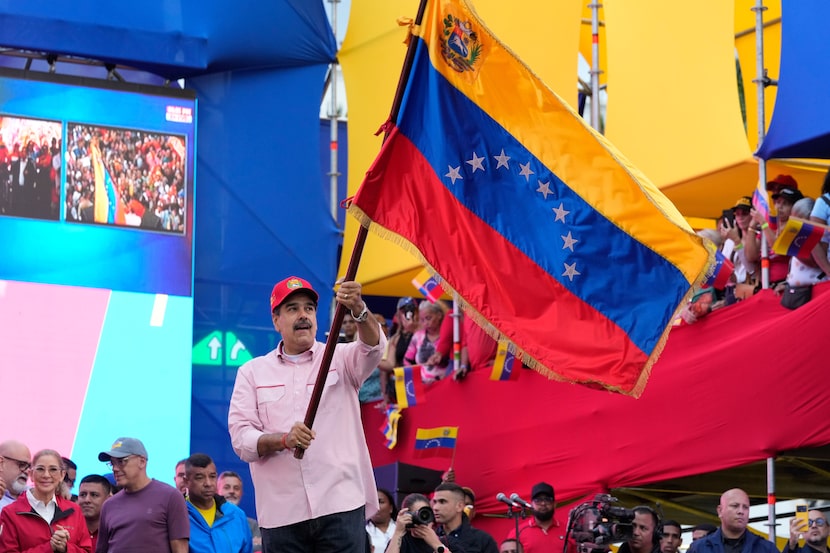
In response to a news article detailing President Donald Trump’s decision to close airspace over Venezuela, several readers have expressed alarm. One correspondent described the action as “hostile and illegal,” arguing that it escalates tensions in the region. The move, aimed at targeting drug cartels, has been interpreted by some as a vindictive action against Venezuelan President Nicolas Maduro.
Critics are particularly troubled by the apparent contradiction in U.S. policy. Trump’s announcement of a pardon for Juan Orlando Hernandez, the former president of Honduras, who has been convicted of drug trafficking and sentenced to 45 years in prison, raises questions about the rationale behind U.S. actions. This duality suggests a complex and potentially contradictory approach to drug-related issues in Latin America.
Immigration Policy and Public Sentiment
Letters addressing immigration enforcement have highlighted increasing distrust in the immigration system. Recent incidents of mass arrests by Immigration and Customs Enforcement (ICE) and reports of migrants found in hazardous conditions have intensified scrutiny of enforcement practices. Kristi Noem, Secretary of the Department of Homeland Security, has faced criticism for remarks regarding “remigration,” which many view as undermining due process and constitutional safeguards.
A Texas business owner and civic advocate emphasized the need for balanced enforcement, arguing that immigration is a reflection of national character. This sentiment echoes the concerns voiced by readers about the effectiveness and fairness of ICE’s actions, particularly regarding the treatment of undocumented immigrants.
One letter pointed out that the crime rates among undocumented immigrants are often lower than those of citizens, suggesting that targeting undocumented individuals may not be effective in preventing violence. This perspective underscores the ongoing debate about how best to approach immigration policy in a humane and just manner.
Local Governance Challenges in Dallas
In local news, the Dallas City Manager Kimberly Bizor Tolbert and Sanitation Director Cliff Gillespie are pushing a controversial initiative to modify trash collection practices. The proposal aims to discourage residents from using alleys for trash storage and collection, instead requiring them to place waste in the streets. Some residents have expressed strong opposition to this change, citing practical concerns.
Gillespie suggested that private companies may offer better capabilities for handling sanitation services than the city can provide. This has prompted calls for a bidding process to allow private firms to take over trash collection entirely, with proponents arguing that it could lead to improved customer satisfaction and efficiency.
As discussions around these topics continue, citizens are encouraged to voice their opinions and engage in the democratic process. The interplay of local and international issues reflects the complexities of governance and public policy in today’s environment, highlighting the critical need for transparency and accountability.
In a more personal reflection, one letter praised the emergence of Mormon Women for Ethical Government, a nonpartisan group advocating for ethical governance. This organization has gained attention for its strong, focused voice in addressing contemporary issues, indicating a growing movement towards civic engagement across various communities.
As these discussions unfold, the implications of U.S. foreign policy, immigration enforcement, and local governance remain pressing topics for both citizens and lawmakers alike.