A legal dispute surrounding the South Windsor Town Council election may escalate to the Connecticut Supreme Court. The case, known as Amadasun v. Armstrong, involves allegations of voter disenfranchisement after Harrison Amadasun, a Democratic candidate, received more votes than his Republican opponent but was not awarded the council seat.
On November 4, 2025, Amadasun garnered 3,847 votes during the local elections, surpassing Republican candidate Rick Balboni, who received 2,937 votes. Despite this outcome, Town Clerk Bonnie Armstrong awarded the seat to Balboni, citing a recent change to the Town Charter that altered the council’s majority representation.
Legal Grounds for the Appeal
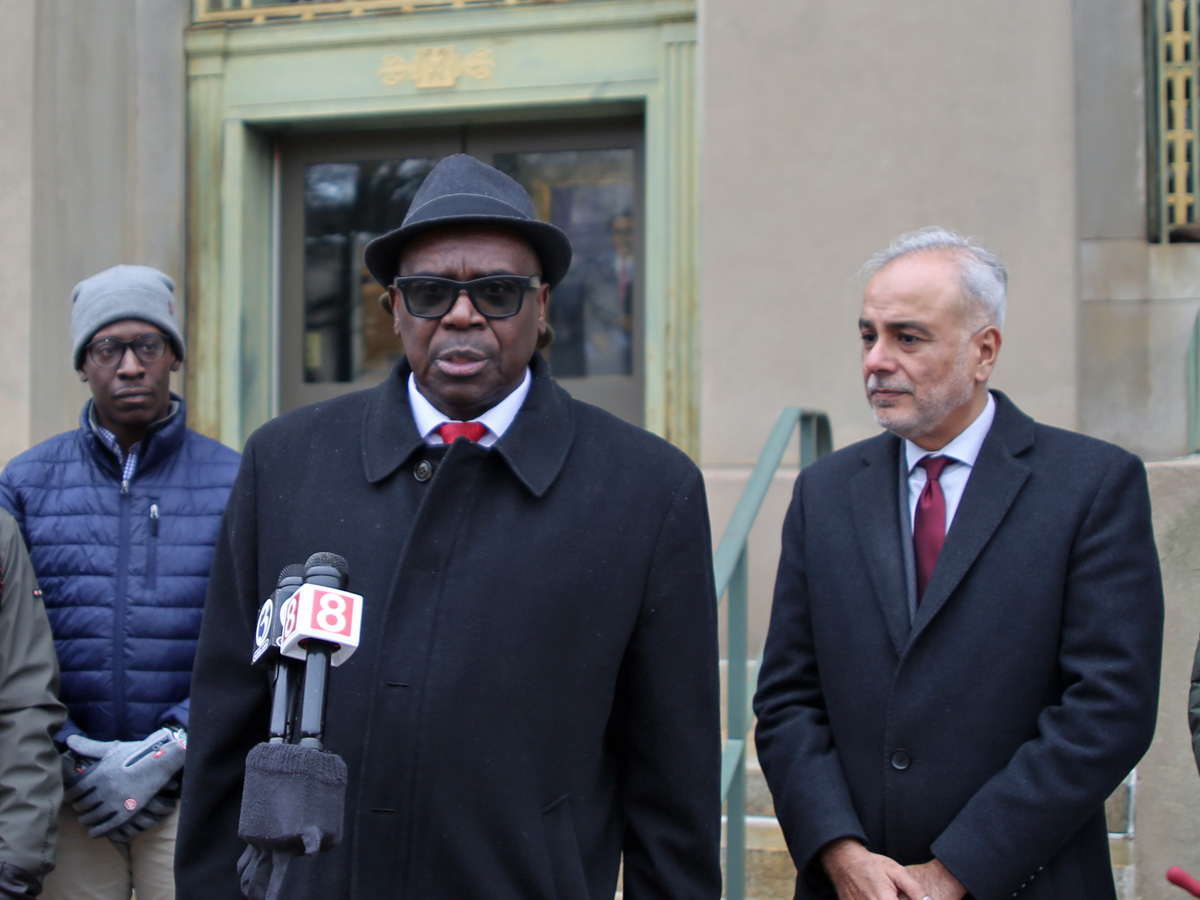
Attorney John Kennelly, representing Amadasun, announced that an appeal was filed in Hartford on Monday. He emphasized the need for a transparent legal process, stating, “The appeal filed today must be granted so that all evidence is laid bare and every witness is heard.” Kennelly highlighted that the changes to the charter were approved by voters on the same day as the election but did not take effect until November 5, 2025.
The Democrats argue that the election should have been conducted under the previous charter rules, which allowed for a 6-3 majority. Under these rules, Amadasun would have secured a seat based on his vote count. “What you’re saying to people: vote for these six candidates, and the top six get in,” Kennelly stated, asserting that enforcing new rules retroactively undermines the electoral process.
Amadasun’s legal team maintains that the town charter specifies that no changes shall apply to elections held prior to their effective date. They contend that this principle reinforces their claim that Amadasun’s election should be recognized.
Judicial Response and Next Steps
Judge Susan Cobb previously dismissed the case in favor of Armstrong, indicating that her determination occurred after the votes were counted. Cobb noted that Armstrong’s decision was consistent with the charter revisions and did not pertain to the election process itself. She ruled that the state legislature’s expedited election procedures were not intended for cases like this.
Armstrong’s attorney, Richard D. Carella, has not commented on the appeal but earlier referred inquiries to the motion to dismiss, which Cobb granted. The ruling has prompted a significant response from local Democratic leaders, who have publicly supported Amadasun. They include Senator Saud Anwar, Representative Gillian Gilchrest, former Hartford Mayor Luke Bronin, and U.S. Representative John Larson.
In a show of solidarity, Amadasun said, “I will continue to stand with voters who demand accountability, transparency, and respect for the democratic process.” As the legal battle unfolds, the implications for voter rights and electoral integrity in Connecticut will be closely watched.