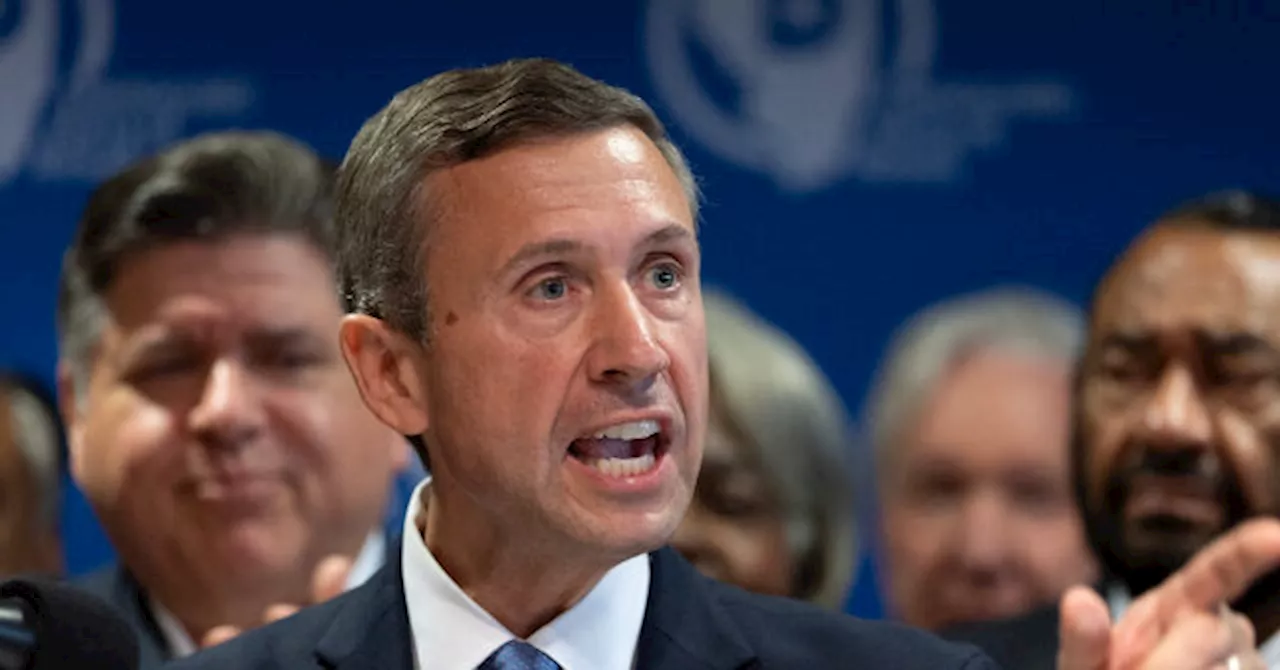
Democratic National Committee Chairman Ken Martin has publicly accused former President Donald Trump of misrepresenting the results of elections in Minnesota. This exchange heightens the ongoing debate regarding election integrity in the state, amid allegations of voter fraud linked to the local Somali community.
Martin’s strong assertion directly counters Trump’s persistent claims of electoral victories in Minnesota, which have been made without substantial evidence. The DNC chair’s comments highlight the Democrats’ commitment to refuting what they consider false narratives about the election process. Martin emphasized the significance of ensuring accurate election results, asserting that Trump’s statements undermine public trust in democracy.
In addition to the political rhetoric, the situation has been complicated by allegations of voter fraud in Minnesota. A federal jury recently found a campaign volunteer for the Minnesota Democratic-Farmer-Labor Party guilty of lying to a grand jury during a voter fraud investigation. The accused allegedly misrepresented details about absentee ballots that were supposedly submitted at the request of three individuals, raising questions about the integrity of the voting process.
These allegations have drawn criticism not only from local leaders but also from national figures. President Trump has labeled Minnesota officials as “crooked” and described Governor Tim Walz as “incompetent” and a “fool.” His comments reference claims of a large-scale fraud operation within the Somali community, suggesting that the acquisition of expensive vehicles serves as evidence of illicit activities. Such statements exacerbate political tensions and deepen divisions between opposing parties.
The controversy surrounding Minnesota’s election integrity adds to a broader national dialogue about voter fraud and the political narratives espoused by prominent figures. Legal challenges and ongoing investigations are likely to continue as both parties work to either validate or disprove the various claims of corruption.
In this charged political atmosphere, the accusations against the Somali community and the public disputes between Martin and Trump are set to influence both local and national perceptions of the electoral process. These events occur against a backdrop of numerous national issues, including Trump’s denunciation of antisemitism within the Republican Party and ongoing debates about immigration enforcement policies.
As the political landscape continues to evolve, the need for public education and bipartisan efforts to ensure fair elections remains critical. The allegations and counterclaims serve as reminders of the complex interplay between politics and public perception, emphasizing the importance of transparency and accountability in the electoral process.