The Department of Justice (DOJ) has initiated an investigation into anti-ICE protests that disrupted a church service in St. Paul, Minnesota. This inquiry will examine all individuals involved, including potential external financial supporters of the protests, following a significant incident on Sunday, March 14, 2024.
During a service at Cities Church, a group of protesters entered the sanctuary, mistakenly believing that one of the pastors was the acting director of ICE’s St. Paul field office. The protest raised concerns regarding religious freedom and the right to worship, prompting the DOJ to act under the provisions of the Freedom of Access to Clinic Entrances (FACE) Act of 1994. This federal statute prohibits any form of interference with religious worship, including threats or obstruction.
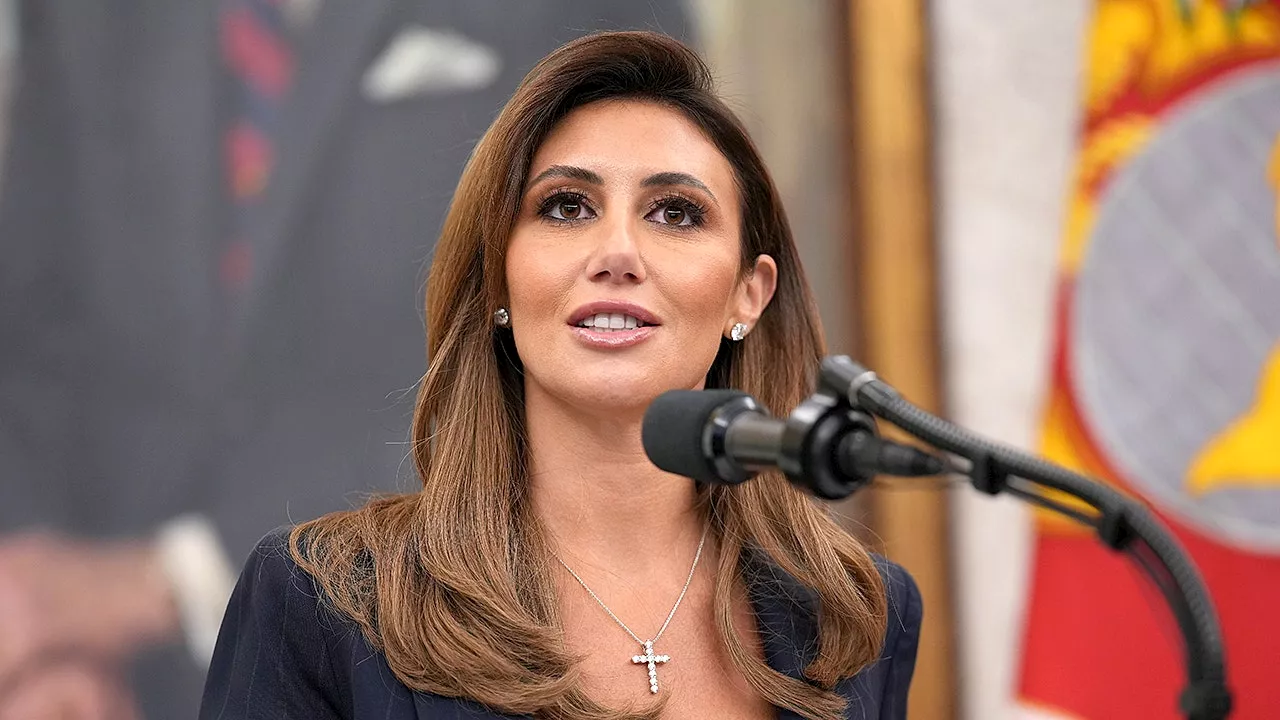
Alina Habba, a senior advisor at the DOJ, emphasized the seriousness of the situation during an appearance on Fox News. “The FACE Act is a long-standing federal statute that prohibits force, threats, and obstruction at places of worship. It carries criminal penalties for violations,” Habba stated. She further asserted that the investigation would encompass “everybody” connected to the protests, including local officials.
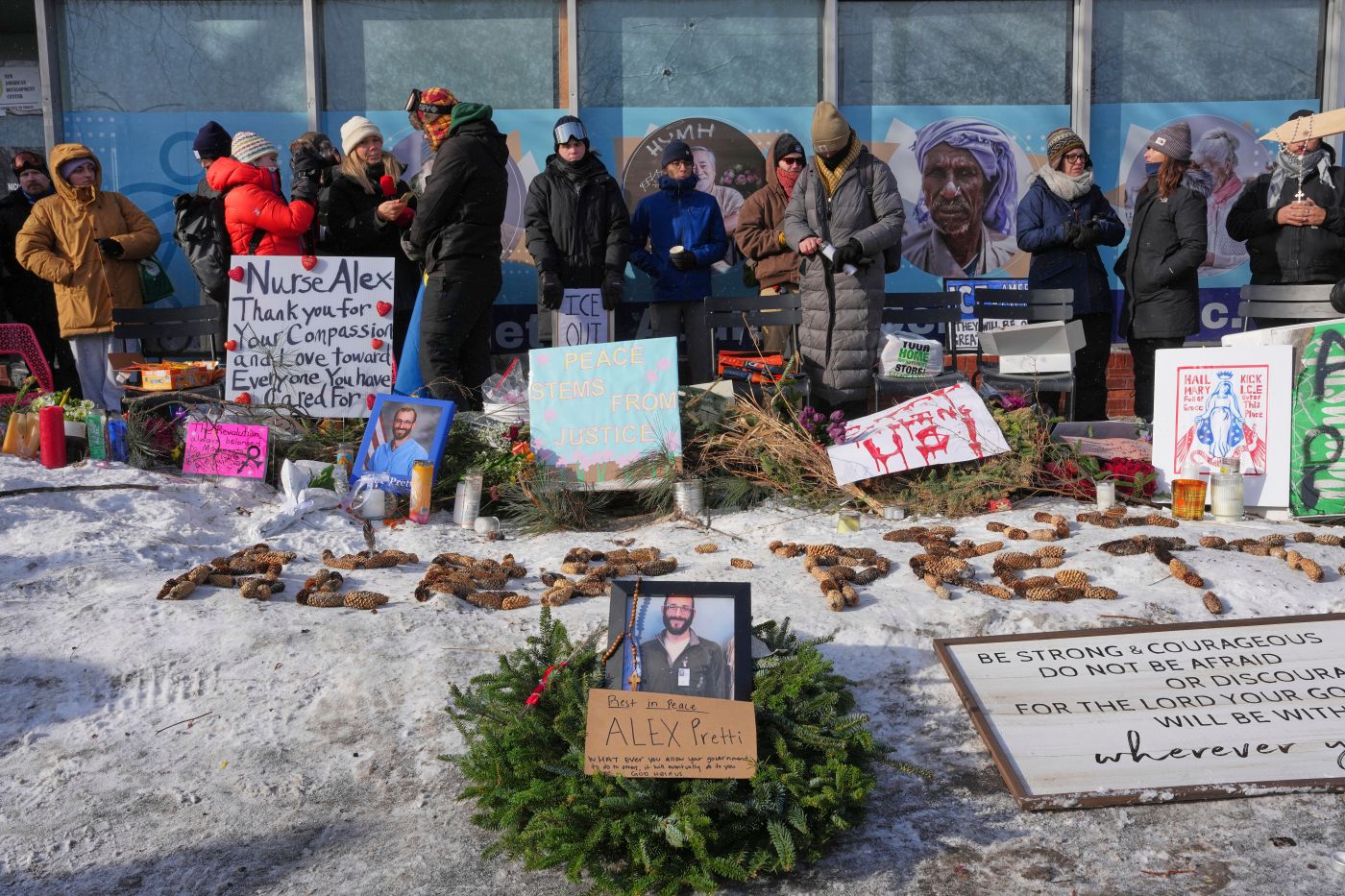
The incident occurred in the wake of heightened tensions surrounding immigration enforcement, particularly following a recent shooting involving ICE agents. Protests have intensified in response to allegations of violent tactics and illegal arrests by immigration officials. Habba underscored the DOJ’s commitment to protecting the right to worship, stating, “Attorney General Pam Bondi will come down hard on anybody who tries to impede or intimidate someone in a place of worship.”
In addition to investigating the protesters themselves, the DOJ will look into whether the demonstrations have been funded by outside sources. Habba warned, “If you are funding mass protests that put individuals at risk and obstruct their right to attend church, this Department of Justice will come down on you.”
The inquiry into these protests reflects ongoing national debates over immigration policy and the rights of individuals to express dissent. The DOJ’s actions signal a firm stance against any interference with religious practices while also addressing the broader implications of protests that escalate into disruptive actions.
The investigation will likely attract significant attention as it unfolds, with implications for both local communities and national discourse surrounding immigration enforcement. As this situation develops, it remains essential for all parties involved to navigate the complexities of free speech and the protection of religious freedoms.