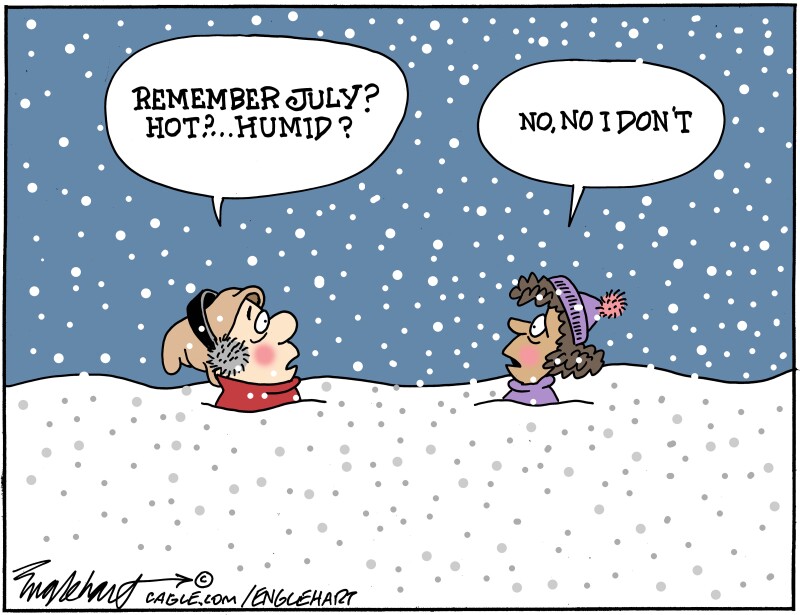
As winter blankets Duluth, Minnesota, residents reflect on their unique relationship with the season, which is often described as a shared experience or even a trauma. The cold weather brings challenges that become familiar to those who call this area home. From navigating snow-covered roads to managing the quirks of winter vehicles, Duluthians embrace the season with a mix of humor and resilience.
Snow and the City: A Unique Bond
For many, winter in Duluth is not merely a season; it is a long-term commitment. Locals understand that the snow and ice are not just temporary inconveniences, but rather a way of life. One phenomenon that captures this sentiment is the “snow booger,” the gritty residue that accumulates behind tires and lingers in garages. Residents often avoid cleaning it up immediately, viewing it as a mark of endurance until the first warm day arrives, and they finally shovel it out.
Driving in winter conditions transforms vehicles into unpredictable companions. Engines may groan and belts can squeal, while dashboard lights flicker like a slot machine. On particularly frigid mornings, tires can lose air pressure, resulting in underinflated tires and warning lights that are routinely ignored until spring. “That’s just the cold,” residents assure themselves, often with a sense of pride in their coping skills, a testament to their experience surviving the harsh January winters.
The Intricacies of Ice and Wind
Winter also introduces unique challenges, such as ice waves that appear when driving on frozen lakes. When vehicles bounce unexpectedly, it feels as though the laws of physics have temporarily shifted. Drivers adapt, slowing down to navigate the conditions while still maintaining a sense of bravado, even as the cold whispers for a break.
Moreover, wind shapes the landscape, creating sastrugi—snowdrifts sculpted by fierce winds off Lake Superior. These formations, while stunning, pose risks as they can trip unsuspecting pedestrians. Locals understand that windchill is a serious factor, often communicating temperatures in terms of how it feels rather than the actual reading. “It’s only minus 10, but it feels like minus 20,” is a common refrain that adjusts the day’s plans.
The experience of winter weather in Minnesota is a topic of conversation among residents. It sparks camaraderie as they share stories during storms or watch clouds gathering over Lake Superior with the same intensity that others might reserve for sporting events. This communal approach to winter fosters a sense of belonging among Minnesotans, who endure the cold together.
In the face of adversity, Duluthians exhibit a quiet resilience. They help each other by shoveling sidewalks without seeking acknowledgment. The first warm day in March often prompts a show of defiance, with residents wearing shorts to assert dominance over the lingering winter chill, despite the reality that winter is still very much in control.
Mark Glende, a senior custodian at an elementary school in Rosemount, Minnesota, encapsulates this spirit in his humorous commentary about life in the state. He highlights the everyday experiences of those who have lived through the trials of winter, revealing a deeper understanding of the local culture. As he notes, mentioning terms like snow boogers, ice waves, or sastrugi speaks volumes about one’s connection to life in Minnesota.
Ultimately, winter in Duluth is more than just a season; it is a testament to the strength and character of those who endure it. With each snowfall and icy gust, residents continue to bond over shared experiences, proving that they are not just surviving winter, but embracing it as an integral part of their identity.