A federal judge has declared a mistrial in a highly publicized case against a group of protesters accused of being affiliated with Antifa, following a controversial incident during jury selection. The case, which centers on allegations of vandalism and disruptive protests at an ICE detention facility, has become a focal point for discussions on political messaging and civil rights.
On July 4, 2023, a group of nine defendants faced charges after a demonstration near Fort Worth, Texas, where protesters reportedly set off fireworks and vandalized ICE vehicles. The Trump administration has characterized the defendants as part of a “North-Texas Antifa cell,” a claim that has been met with skepticism and controversy.
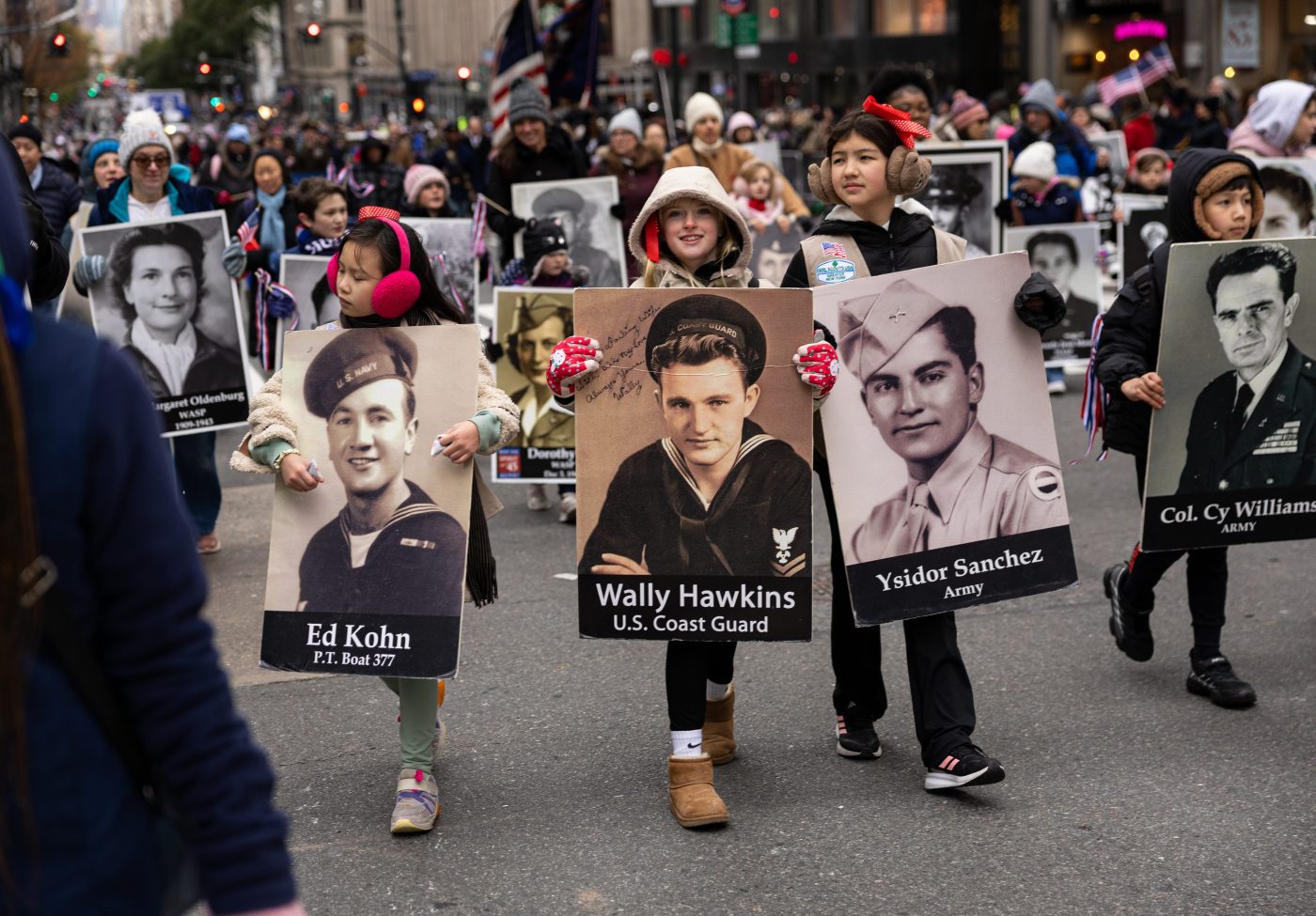
The mistrial was declared by Mark Pittman, a judge appointed by former President Donald Trump, shortly after jury selection began. The decision came in response to defense attorney MarQuetta Clayton, who wore a shirt depicting images of civil rights leaders, including Martin Luther King Jr. and Shirley Chisholm. Judge Pittman argued that the shirt’s imagery could bias potential jurors, equating the actions of the defendants with a movement that sought equality for marginalized groups.
Pittman cited concerns that the shirt sent a political message which could influence jurors’ perceptions. He noted that if the prosecution had worn attire with pro-ICE or pro-Trump slogans, the defense would likely have objected strongly. This incident highlights the ongoing tensions surrounding political protests and the interpretation of symbols related to social justice movements.
The prosecution’s case against the Texas protesters has broader implications, as it marks the first time the federal government has pursued terrorism charges against individuals allegedly connected to Antifa. Critics argue that this represents a continuation of the Trump administration’s narrative to portray Antifa as a significant threat, despite statements from officials, including former FBI Director Christopher Wray, who indicated that Antifa is not a formal organization but rather a movement.
This prosecution has raised questions about the motivations behind labeling these protests as acts of terrorism. Observers note the administration’s past attempts to categorize Antifa as a major terrorist organization, a claim that has faced significant pushback from various sectors, including civil rights advocates and legal experts.
The mistrial adds another layer to the complexities of the case, as it indicates potential judicial biases and the challenges of fair representation in politically charged trials. The court proceedings will have to address these issues before moving forward, as the defendants continue to face serious charges stemming from their actions during the protest.
As the legal battle unfolds, it remains to be seen how these developments will impact the broader discourse on civil rights, protest, and the ongoing struggle for immigrant rights in the United States. The outcome of this case could set important precedents regarding the treatment of political dissent and the definitions of terrorism in contemporary society.