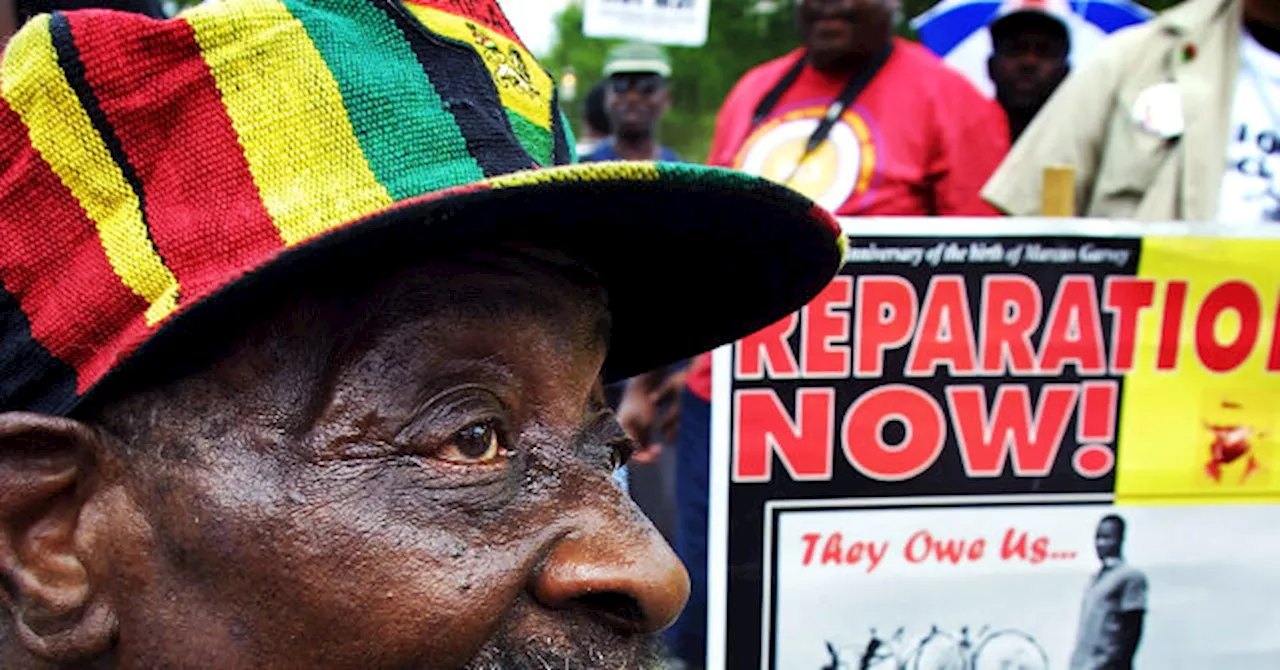
The Illinois Reparations Commission has published a comprehensive report examining the historical injustices faced by Black residents in the state. This document investigates the profound impact of slavery and its enduring consequences, aiming to facilitate informed discussions on reparations and redress for affected communities.
The report, released by the African Descent-Citizens Reparations Commission, collates data from various sources to present an evidence-based narrative of Black life in Illinois. It underscores systemic disparities and the long-lasting effects of discriminatory practices that have shaped the experiences of Black individuals and families throughout the state’s history.
Key Findings of the Report
Among the significant findings, the report details how policies and practices, dating back to the era of slavery, have contributed to ongoing economic and social inequalities. It highlights disparities in wealth accumulation, access to education, and employment opportunities, all of which have roots in historical injustices.
For instance, the report references instances of discriminatory housing practices and educational inequities that have persisted over generations. By illustrating these trends, the commission aims to provide a clear context for the discussions surrounding reparations.
The commission’s work is part of a broader initiative to acknowledge and address historical harms. As part of its mission, the Illinois Reparations Commission seeks to engage with communities, policymakers, and scholars to explore pathways toward reparative justice.
Community Engagement and Future Steps
The report emphasizes the importance of community input in shaping reparations proposals. The commission plans to hold public forums and discussions to gather perspectives and suggestions from residents. This participatory approach aims to ensure that the reparations process reflects the needs and aspirations of those directly impacted by historical injustices.
Furthermore, the report calls for collaboration with local governments and organizations to develop actionable strategies for reparations. This includes potential financial compensation, investment in community resources, and educational initiatives aimed at promoting awareness of historical injustices.
By releasing this report, the Illinois Reparations Commission not only sheds light on the historical context of racial injustices but also sets the stage for meaningful dialogue and potential policy changes. As the conversation around reparations continues to evolve, the commission remains committed to fostering an inclusive environment where the voices of Black residents are central to the process.
With the release of this report, Illinois takes a significant step toward acknowledging its past and addressing the lingering effects of systemic racism. The findings aim to inform policymakers and engage citizens in an essential conversation about reparations and equity in the state.