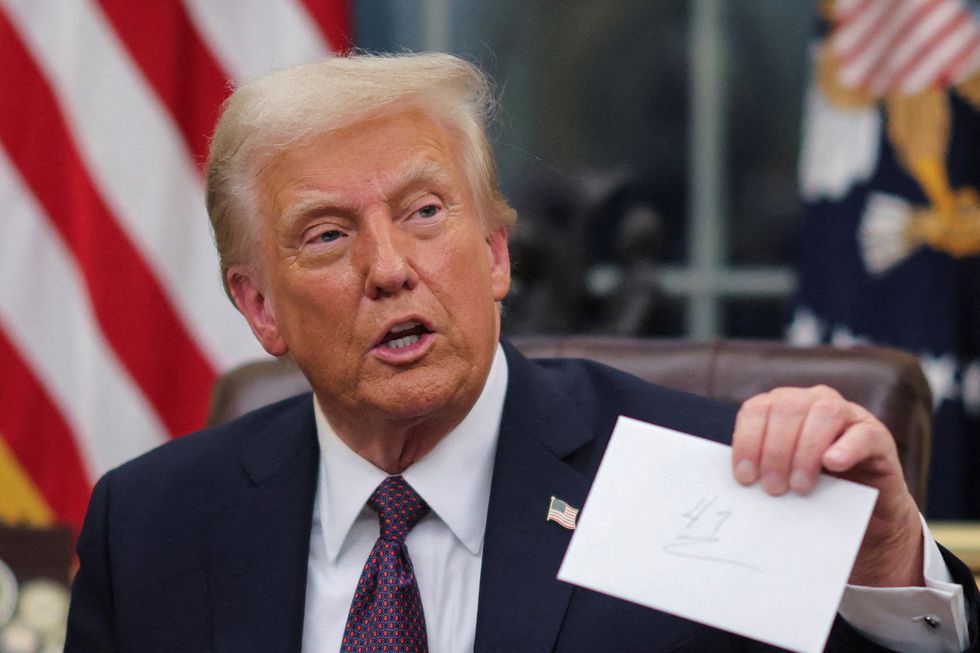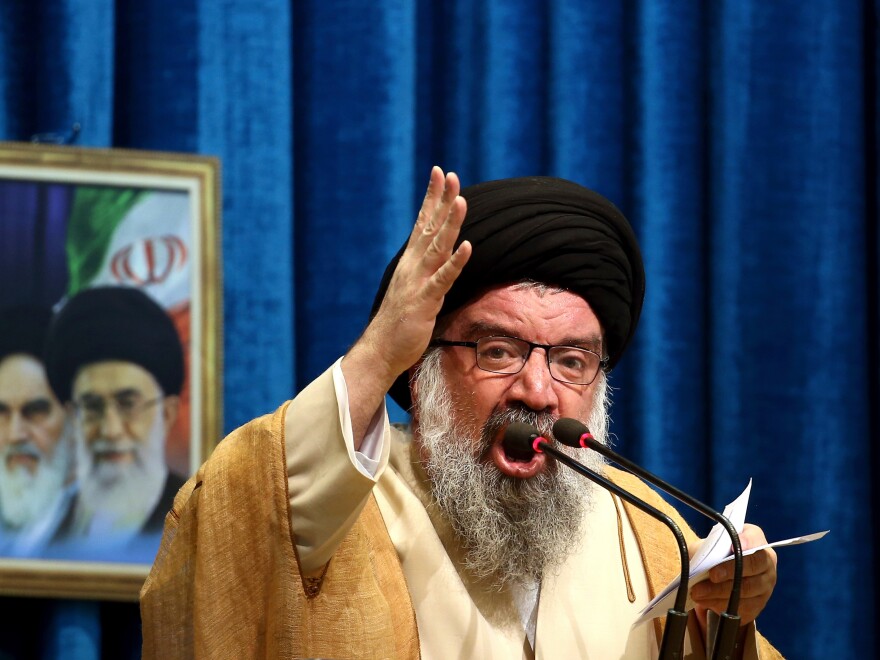
Following a wave of protests that led to a violent crackdown, Iran is experiencing an uneasy calm. A senior hard-line cleric, Ayatollah Ahmad Khatami, recently called for the death penalty for detained demonstrators, intensifying the government’s response to dissent. This development coincides with remarks from U.S. President Donald Trump, who thanked Iranian authorities for refraining from executing hundreds of arrested protesters, suggesting a potential shift in his administration’s approach towards military intervention.
The protests, which began on December 28, 2022, were initially sparked by grievances over Iran’s struggling economy but quickly escalated into broader challenges to the ruling theocracy. Despite a significant crackdown that has reportedly resulted in at least 3,090 deaths, there have been no recent protests in Tehran, where daily life appears to have returned to normal. An ongoing internet blackout, however, continues to suppress communication.
Clerical Calls for Violence and International Responses
During his sermon, Khatami described the protesters as “butlers” for Israeli Prime Minister Benjamin Netanyahu and “Trump’s soldiers.” He warned that the U.S. and its allies should expect “hard revenge” from the Iranian system. Such inflammatory rhetoric reflects the heightened tensions within Iran’s leadership as they respond to both internal dissent and external pressures.
Trump’s comments, acknowledging that Iran had canceled the execution of over 800 individuals, were framed as a sign of respect towards Iranian leaders. Yet, his lack of clarity regarding the source of this information raises questions about the accuracy of the claims. The U.S.-based Human Rights Activists News Agency continues to provide updates on the death toll, which it states is the highest seen in decades of protests, yet independent verification remains elusive.
Exiled Voices and Regional Concerns
Amid these developments, exiled Iranian Crown Prince Reza Pahlavi urged the U.S. to follow through on its promises to assist the protest movement in Iran. Pahlavi, whose family was ousted during the 1979 Islamic Revolution, expressed confidence in Trump’s commitment to aid the Iranian people. He called for renewed protests over the upcoming weekend, hoping to galvanize support for those still risking their lives in the streets.
As the Iranian regime deals with internal dissent, international leaders are also taking note. Regional diplomats from Egypt, Oman, Saudi Arabia, and Qatar have voiced concerns to Trump about the potential economic ramifications of military action in the region. The delicate balance of power in the Middle East has become increasingly precarious, especially given the ongoing challenges faced by allied nations.
On the ground, reports indicate that Iranian authorities are assessing damage caused by the protests, claiming that over 350 mosques and numerous hospitals and emergency vehicles were affected. This assessment highlights the challenges the government faces in maintaining order while addressing public grievances.
Despite the apparent calm within Iran, exiled Iranians and their supporters have continued to protest in cities across Europe, voicing their opposition to the Islamic Republic. As some Iranians seek ways to communicate with the outside world, others are crossing borders to escape the ongoing unrest, illustrating the widespread impact of the situation.
In a concerning development, a Kurdish separatist group in Iraq has launched attacks against Iran’s paramilitary Revolutionary Guard, indicating that the conflict could extend beyond Iran’s borders. The Kurdistan Freedom Party (PAK) claims to support the Iranian protesters through both financial aid and armed operations.
As the situation evolves, the international community watches closely, aware that the outcomes in Iran could have far-reaching implications for regional stability and security.