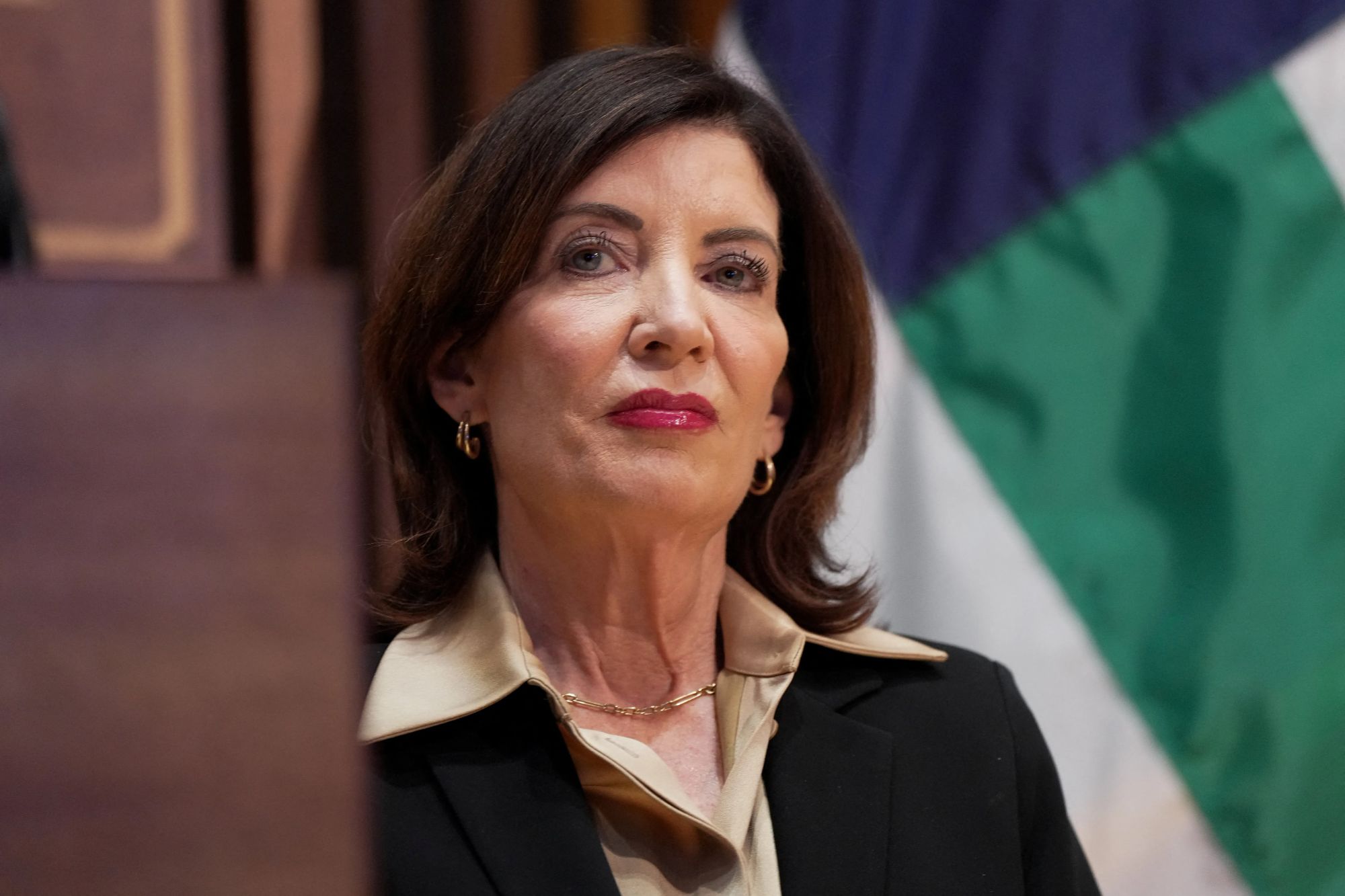
A legal dispute is unfolding in New York that could significantly impact the political landscape, particularly for the Republican Party. Acting Manhattan Supreme Court Justice Jeffrey Pearlman is currently examining a lawsuit concerning the congressional district of Rep. Nicole Malliotakis, which encompasses parts of Brooklyn and Staten Island. This case, known as Williams v Board of Elections, has drawn attention due to the involvement of Governor Kathy Hochul, who appears to be seeking to amend an electoral map she herself signed into law in 2024.
The plaintiffs in this case argue that the state’s 2024 Voting Rights Act mandates a district configuration that enhances the electoral influence of Black and Hispanic voters. However, this assertion raises significant questions. Firstly, the Voting Rights Act explicitly states that it does not apply to any actions taken by the state, including the delineation of election districts. Secondly, the proposed remedy from the plaintiffs does not aim to increase the representation of minority voters within the existing district. Instead, it seeks to replace the Brooklyn segment of the district with a portion of Lower Manhattan, effectively swapping one group of predominantly white voters for another set of white voters who are more likely to support Democratic candidates.
This situation highlights a central issue: the motivations behind the legal challenge may be more partisan than they appear. Representative Malliotakis, who is of Hispanic descent with a Cuban mother, already represents a constituency that includes a notable percentage of Hispanic voters. The district also has a significant Asian population, comprising about 20% of the electorate. The legal arguments presented seem to disregard the complexities of voter demographics and the actual representation within the district.
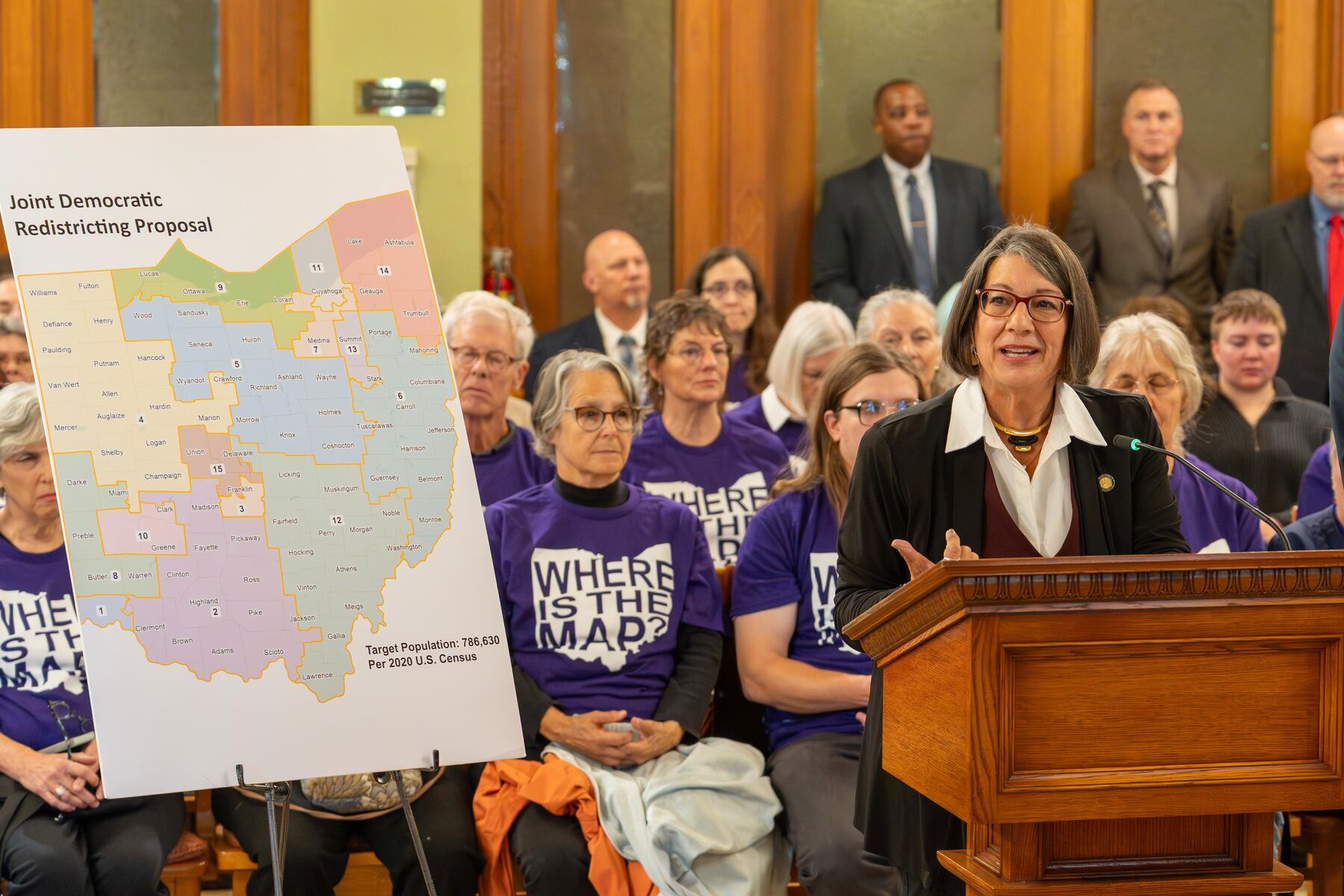
Further complicating matters, in 2024, Hochul and the New York Legislature chose not to alter this specific district despite a lengthy history of litigation regarding the electoral maps. Recently, both Hochul and state Attorney General Tish James have communicated with the court, not to dismiss the case but to suggest that the judge interpret the state Constitution in a way that could necessitate the creation of a new district. They even proposed the possibility of appointing a special master to formulate a new electoral map.
The relationship between Governor Hochul and Judge Pearlman adds another layer of scrutiny to the proceedings. Pearlman has previously held various positions under Hochul before being appointed to the Court of Claims, from where he has transitioned to his current role as an acting Supreme Court judge. Despite calls for recusal due to potential conflicts of interest, Pearlman has opted to remain involved in the case, which has led to concerns about the impartiality of the judicial process.
As this legal battle progresses, the implications for the Republican Party in New York could be profound. The outcome may not only reshape the boundaries of electoral districts but also influence the broader political dynamics in a state that has become increasingly competitive. The stakes are high as both parties prepare to navigate the potentially shifting landscape ahead of the upcoming elections.