As political polarization intensifies in the United States, many liberal individuals are expressing their reluctance to engage in romantic relationships with conservatives. This sentiment has been particularly pronounced since the Trump administration, with personal values increasingly influencing dating preferences.
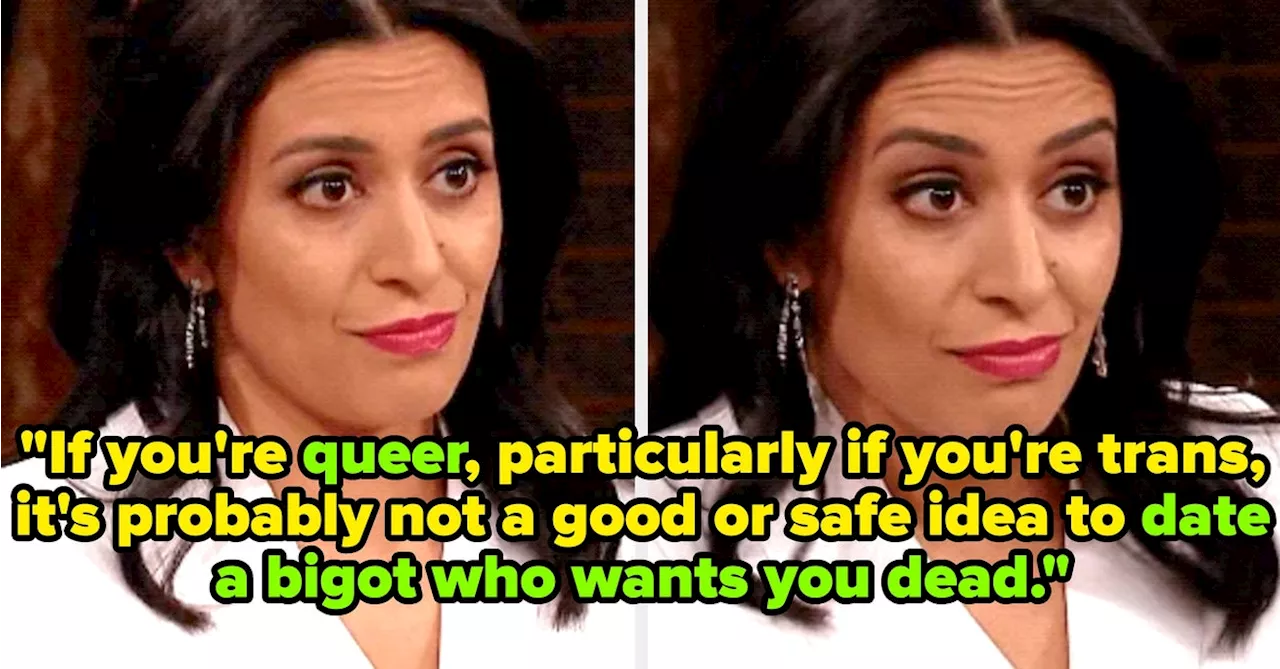
In discussions about the intersection of politics and romance, many liberal Americans have articulated their reasons for steering clear of conservative partners. For a significant portion of the LGBTQ community, the stakes are especially high. One individual stated, “If someone wants to date me but also voted for a politician who campaigns on taking my rights away, I’m gonna decline.” The fear of aligning with individuals who may hold regressive views on LGBTQ rights is a prevalent concern among queer individuals, particularly those who are transgender.
Immigrants have similarly voiced their apprehensions. One participant explained, “As an immigrant, I’m not a huge fan of dating someone who thinks I’m a lazy scum who should ‘go back to my own country.'” This statement underscores a broader anxiety about dating someone whose political beliefs may not only be harmful to them personally but could also jeopardize the safety of their social circles.
Many liberals also worry about the implications of dating someone who might hold prejudiced views. One individual remarked, “I just can’t imagine dating someone that I can’t safely bring around my friends and family.” The fear of doxxing or being targeted for associating with someone who espouses harmful beliefs looms large. For individuals within marginalized communities—such as people of color and members of the LGBTQ community—these concerns resonate deeply, impacting their dating choices.
The issue extends beyond personal safety; it also encompasses the cultural and ethical dimensions of relationships. A participant noted, “My culture holds a great deal of significance for me. I feel a conservative-minded person would be narrow-minded about exposing themselves to ‘other’ traditions.” This perspective highlights the discomfort many feel when considering a partner who may not appreciate or respect their cultural background.
The desire to avoid fetishization is another critical factor. Several individuals expressed concerns that conservative partners might objectify them based on their race or sexual orientation. One participant stated, “In my experience, a lot of conservative men also view women from other cultures as ‘exotic’ and often fetishize them.” This concern reinforces the notion that dating someone with opposing political beliefs can lead to a lack of genuine understanding and respect.
For many, the association with extremist ideologies is a significant deterrent. One liberal voiced their dismay, stating, “Why would I want to date anyone in a party with Nazis when my grandfather fought Nazis in WWII?” This sentiment reflects a broader concern about the normalization of extremist views within the Republican Party, particularly as some conservatives align with groups promoting white supremacy.
The deep-rooted moral implications of political affiliation have transformed dating dynamics. As one individual articulated, “Politics is no longer just politics — it’s about morality.” The belief that one’s political stance reflects their fundamental values has led many to conclude that dating outside of their political ideology is unfeasible. This sense of shared values is critical for establishing long-term relationships.
Many individuals express that differing political views can lead to constant tension. One participant explained, “If beliefs were at odds with my partner, it would cause extra tension. Not because they vote differently, but because those beliefs would bleed into every tiny decision in our lives.” This highlights the complexity of navigating relationships in a politically charged environment.
Concerns regarding fundamental rights, such as reproductive rights and gun control, are also pivotal in these discussions. One liberal stated, “I will not date someone who is anti-abortion. My health isn’t up for debate.” With the recent overturning of Roe v. Wade, many individuals are increasingly vocal about their non-negotiable values regarding reproductive rights.
The implications of a partner’s political beliefs extend to family dynamics as well. Concerns about future in-laws and their potential influence on children have made many reconsider their dating choices. One individual shared, “You also really learn what your future in-laws could be like since parental opinions generally influence kids.”
The notion that personal safety and comfort is paramount in dating decisions resonates strongly among liberal individuals. As one participant succinctly put it, “Your time is valuable, so why would you waste it on someone who fundamentally believes the opposite of what you do?” This sentiment reflects a growing awareness of the importance of aligning with partners who share similar values, especially in today’s polarized political landscape.
Overall, the reluctance to date conservatives among liberals reflects a broader societal shift where personal identity and political beliefs are inextricably linked. As political divisions deepen, the implications for personal relationships are profound. This ongoing discourse serves as a reminder of the significant role that shared values play in building meaningful connections.