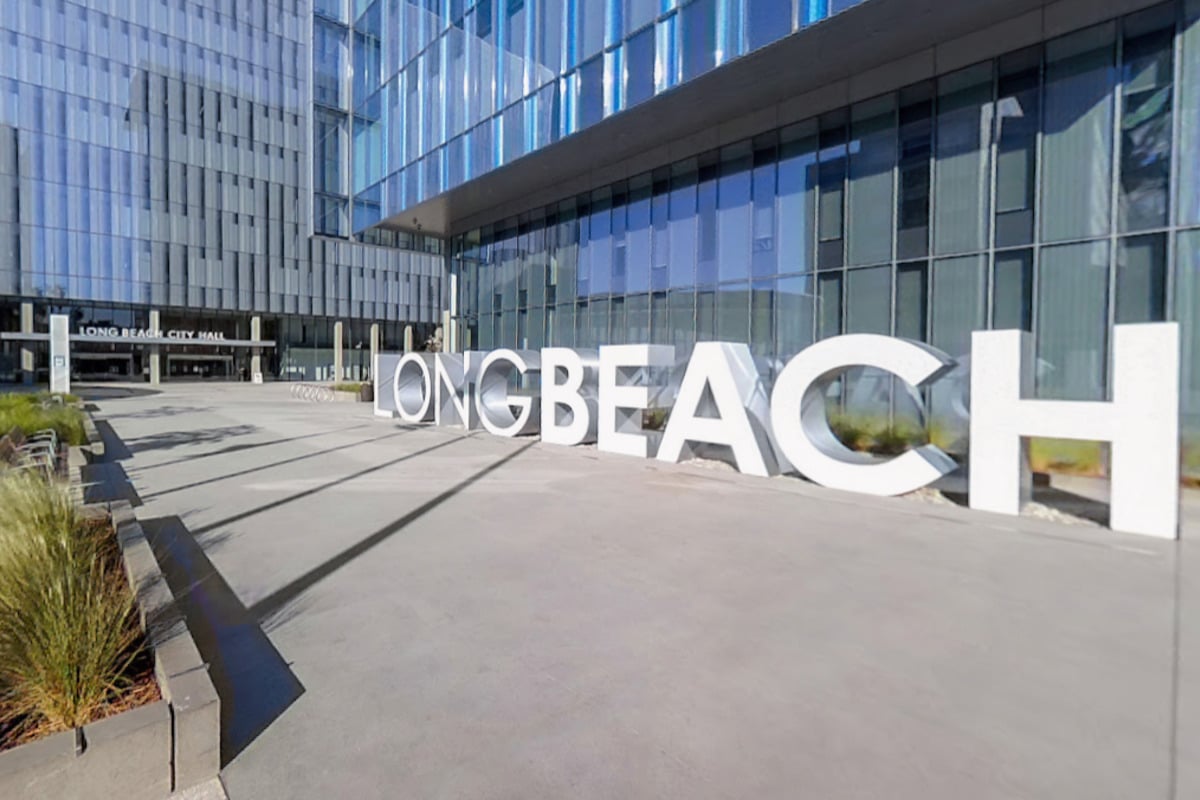
The Long Beach City Council has unanimously approved a measure aimed at improving job opportunities for Black residents by addressing identified “employment deserts.” This decision, made this week, directs the Health and Human Services Department to translate findings from a new Black Community Health Strengths and Needs Assessment into actionable policies. City staff now has 120 days to propose specific initiatives that target neighborhoods with limited job access.
Introduced by Councilmembers Tunua Thrash‐Ntuk, Suely Saro, and Dr. Joni Ricks‐Oddie, the measure requires the City Manager to ensure that the Health Department shares the assessment with partner agencies and implements its recommendations. A key focus is to identify “employment deserts” in Long Beach and suggest strategies for improving local hiring, outreach, and recruitment efforts.
The assessment revealed critical information regarding the challenges faced by residents. Many indicated that economic stability, secure housing, and mental health issues rank among their top concerns. Approximately 25% of respondents reported they could not afford their rent that month, while nearly 33% had faced difficulties in finding housing. Moreover, over half of the participants expressed experiencing emotional distress. Advocates emphasize that the interplay of housing instability, rent stress, and trauma significantly affects job prospects and overall well-being.
Health Disparities and Resource Mapping
The assessment also uncovered a significant health disparity, noting that Black men in Long Beach have a life expectancy approximately 10 years shorter than that of their white counterparts. Community members described this gap as “sobering.” To address these disparities, the workgroup has compiled a resource map of more than 60 culturally specific providers in the city, identifying 31 that meet established standards for quality and cultural relevance.
The issue of homelessness further complicates the employment landscape. In the city’s 2025 point-in-time count, 3,595 individuals were reported as experiencing homelessness, with around 1,224 identifying as Black. This statistic reflects the troubling connection between housing insecurity and the employment challenges outlined in the assessment. Councilmembers have linked the report’s findings to existing local hiring initiatives and discussions surrounding Measure JB, suggesting that enhancing city hiring practices could create job opportunities in the most affected neighborhoods.
Next Steps and Community Response
Under the council’s directives, the Health Department must present the assessment to the governing boards of various local institutions, including the Long Beach Unified School District and Long Beach City College, by December 31, 2026. Following each presentation, a summary will be required. Additionally, the Health Department is tasked with returning to the council within 120 days with detailed policy proposals aimed at increasing local hiring and outreach in identified employment deserts.
While community organizations have welcomed the council’s decision, they remain cautiously optimistic. Local advocates and members of the Black Health Equity Collaborative plan to closely monitor the implementation of these initiatives, stressing the importance of ensuring that resources, timelines, and accountability are effectively established. They are advocating for workforce programs that include comprehensive support services such as training, childcare, and housing navigation.
The Long Beach City Council’s commitment to addressing these pressing issues marks a significant step toward improving the health and economic stability of Black residents, aiming to close the gaps that have persisted for far too long.