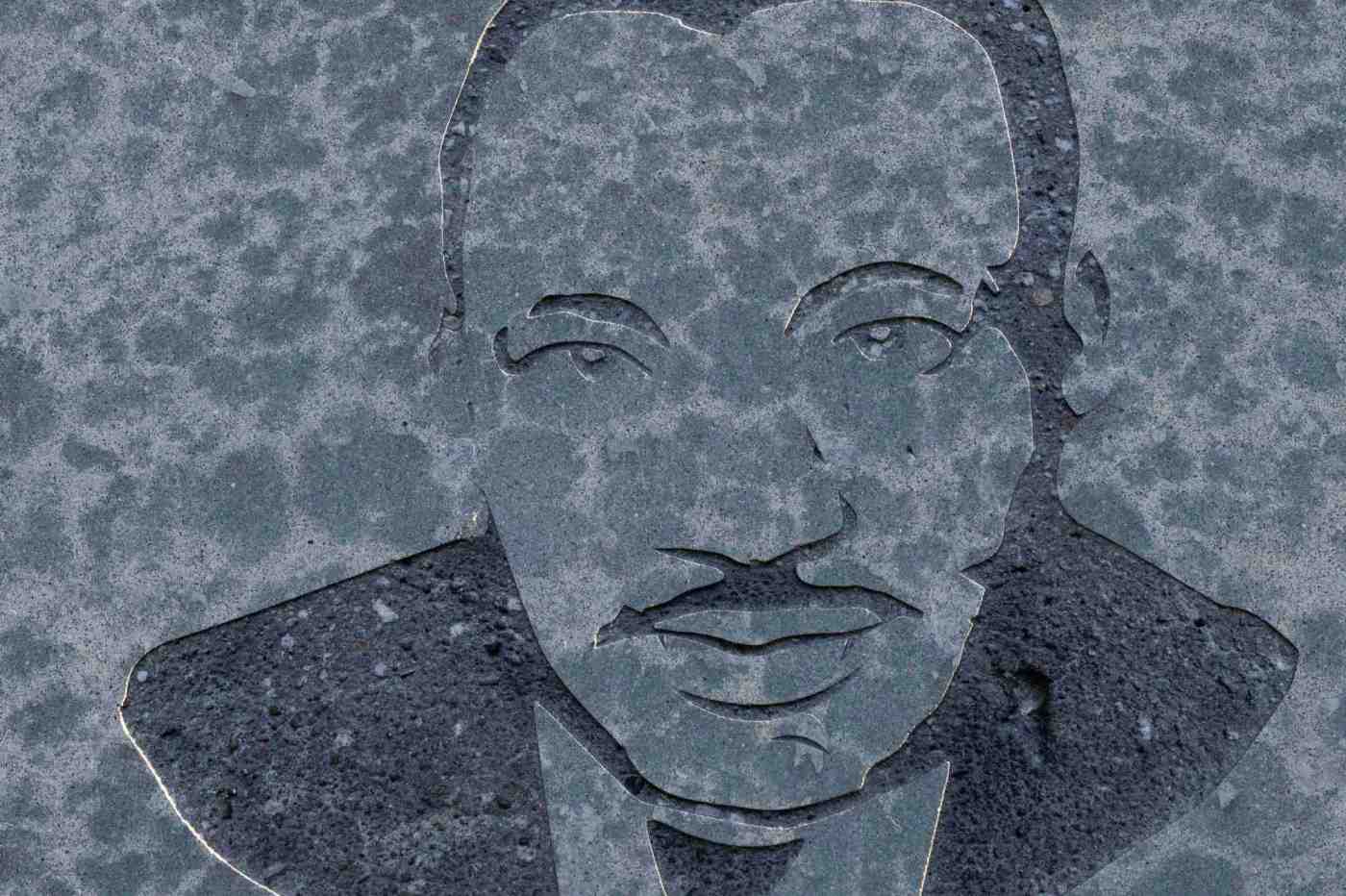
Martin Luther King Jr., an iconic figure in American history, played a pivotal role in reshaping societal norms and institutions without ever holding public office. While he briefly considered a run for the presidency in 1967, his influence transcended politics, marking him as one of the most significant figures of the 20th century in the United States. His commitment to nonviolent protest has become a blueprint for effecting meaningful change in society.
King’s legacy remains complex and often misunderstood, even more than fifty years after his assassination on April 4, 1968, in Memphis, Tennessee. His life exemplifies the potential of peaceful resistance to challenge injustice. Many of his contemporaries viewed him as a controversial figure, and opinions about his contributions still vary widely today. This divergence reflects the multifaceted nature of his character and mission.
Complex Legacy of a Leader
Though some religious organizations honor King as a saint, he was not without flaws. Reports indicate that he may have committed acts of plagiarism in his doctoral dissertation, and allegations of infidelity have also surfaced. His political viewpoints were not always consistent, challenging the simplistic narratives often applied to his life. Despite these controversies, King’s unwavering belief in the power of nonviolence remained a cornerstone of his approach to civil rights activism.
The language King employed in his speeches resonated deeply with audiences. His famous declaration that individuals should be judged by the content of their character rather than the color of their skin encapsulated his vision for a more equitable society. Alongside this eloquence was a notable courage; he faced arrest and imprisonment on at least twenty occasions throughout his activism. Each time, he used these experiences to reflect and refine his ideas, emerging with renewed dignity and purpose.
Impact on Society and Future Generations
The civil rights movement, which King helped to lead, brought national attention to the injustices of racial segregation enforced by law. His emphasis on nonviolent protest allowed activists to maintain the moral high ground even in the face of brutal opposition. This steadfast commitment ultimately contributed to the dismantling of discriminatory laws and the advancement of civil rights.
King’s life serves as a powerful reminder of the importance of ideas and words in combating injustice. His legacy encourages ongoing reflection on the principles of justice and freedom. As society continues to grapple with issues of equity and rights, King’s teachings remind us that significant societal revolutions often begin in the minds and hearts of individuals.
If we aim to foster change that aligns with the ideals of justice, it is crucial to engage in thoughtful discourse and consider the ramifications of our actions. The essence of King’s message rests in the understanding that true revolutions occur first within the consciousness of the people before manifesting in the world. This insight remains one of the most vital aspects of Martin Luther King Jr.‘s enduring legacy.