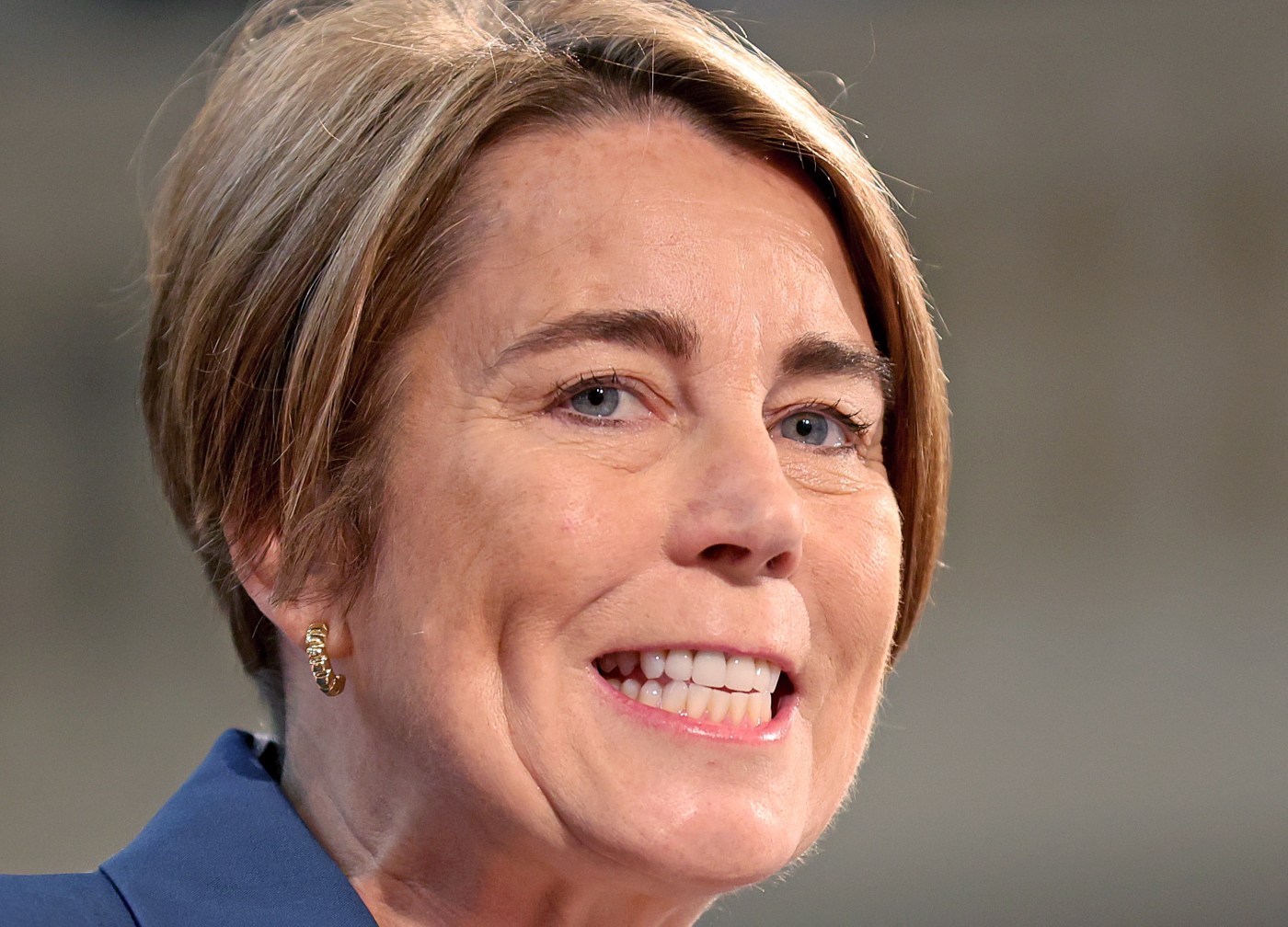
Massachusetts Governor Maura Healey has garnered attention for a series of controversial statements over her political career, often marked by contradictions. As the year progresses, her comments on various issues, particularly concerning natural gas pipelines and public safety, have reignited discussions about her leadership and accountability.
In a notable instance in 2022, Healey claimed on a radio program, “Remember, I stopped two gas pipelines from coming into this state.” When questioned about her statements in 2025, Healey denied making such a claim, stating, “First of all, I didn’t do that.” This back-and-forth raises questions about her consistency and transparency regarding energy infrastructure in Massachusetts.
As the state grapples with energy issues, Healey’s recent remarks about the necessity of removing tariffs on aluminum and steel to improve infrastructure have also drawn scrutiny. She commented, “Get rid of the tariffs on aluminum and steel because the aluminum and steel that we need to build out our energy infrastructure here… now costs a lot more to build out.” This statement reflects the ongoing tension surrounding energy policy and economic considerations in the region.
Healey has also faced criticism over her administration’s handling of public safety, particularly regarding incidents involving illegal immigrants. In 2024, she responded to a disturbing case involving a disabled underage girl by stating, “It is unfortunate that from time to time, things will happen.” Her acknowledgment of these incidents has not quelled public concern over safety in state-sanctioned facilities.
In a statement regarding shelter residents, Healey mentioned an “unprecedented step” to conduct criminal background checks across all sites. However, she later acknowledged that her office had failed to implement these checks adequately, calling the situation “absolutely unacceptable.” This admission has prompted further questions about her leadership and the effectiveness of her administration’s policies.
Healey’s responses during public hearings have also raised eyebrows. In 2016, she dismissed concerns from women regarding shared restroom facilities by suggesting they simply “hold it” if they had issues, a comment many deemed insensitive. Such remarks contribute to a narrative of Healey appearing out of touch with constituents’ concerns.
In the wake of national unrest in 2020, Healey’s comments comparing civil disorder to natural forest growth—“Yes, America is burning, but that’s how forests grow”—sparked backlash, suggesting a cavalier attitude toward serious societal issues.
The governor’s political affiliations have also come under scrutiny, particularly her support for individuals embroiled in controversy. In 2022, she endorsed Suffolk County Sheriff Steve Tompkins, praising his role in promoting equitable criminal justice. Following Tompkins’ indictment on federal corruption charges in 2025, Healey stated, “I need to know more about this,” indicating her reluctance to distance herself from the scandal.
Healey’s connections extend to other officials as well, including her endorsement of Rachael Rollins for U.S. attorney in 2021—a decision that came back to haunt her when Rollins resigned in 2023 after facing corruption allegations. Healey’s lack of comment on these issues reflects an ongoing pattern of evasion surrounding her political decisions.
As Healey navigates the complexities of leadership, her comments on various issues, from energy policy to public safety, continue to shape her public image. In a recent appointment of Monica Tibbets-Nutt as the state’s Secretary of Transportation, Healey remarked, “(She) is a proven leader who has done important work at MASS DOT over the past year.” Such statements, alongside her previous remarks, encapsulate the challenges she faces in maintaining credibility while leading Massachusetts.
With over a year until the next election, Healey’s record will likely be closely examined. Her evolving positions on critical issues will determine her political future as constituents seek clarity and accountability. As her tenure unfolds, the public remains watchful for further developments and potential reassessments of her policies and statements.