A significant wage increase is now benefiting 2,500 childcare workers across Michigan, thanks to a newly expanded pilot program. Launched in November 2025, the initiative provides full-time workers with an additional $300 monthly, while part-time workers receive $200. This financial boost is aimed at addressing the chronic issue of low wages in the childcare sector, which has contributed to workforce instability.
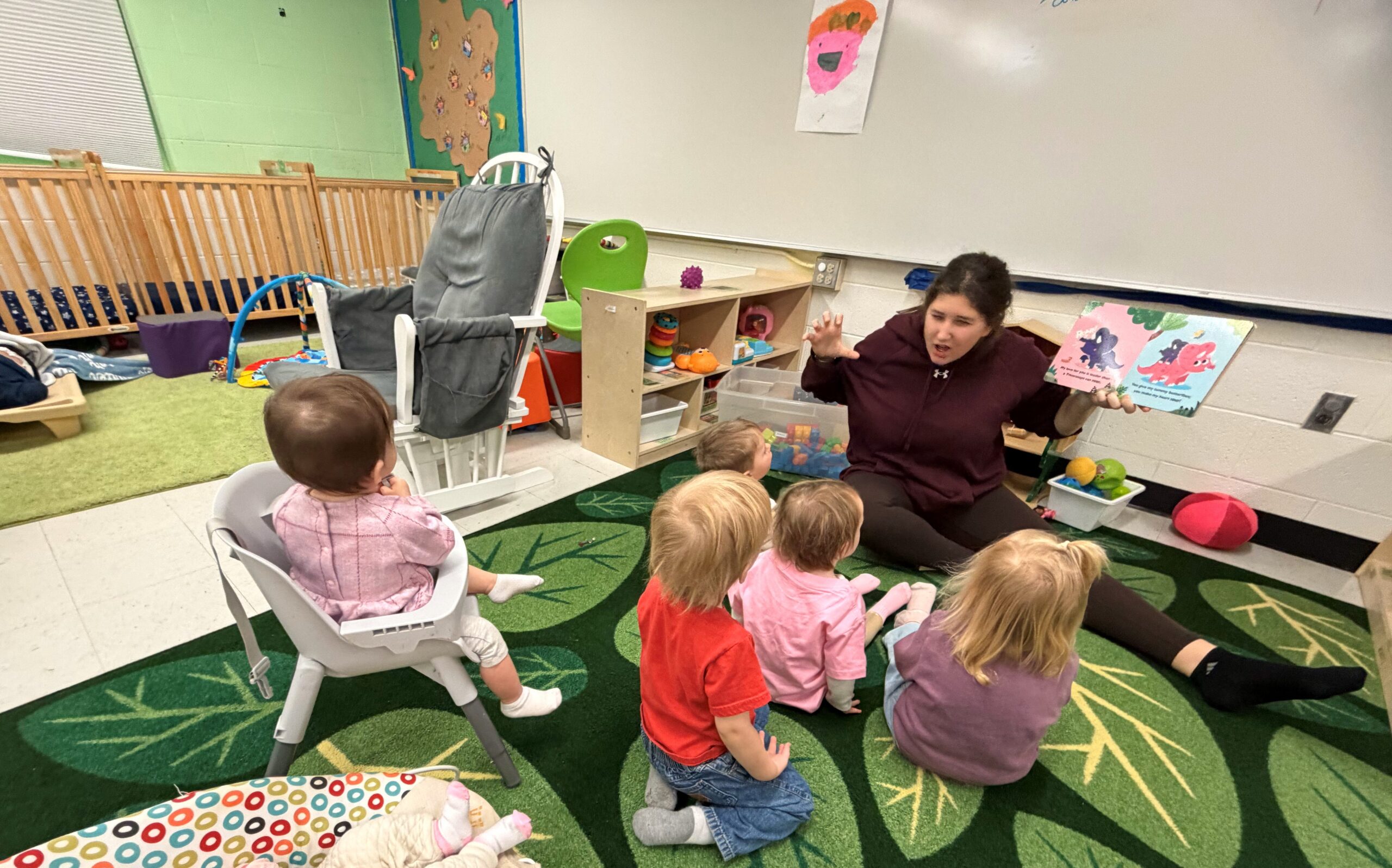
Isabelle Winkler, a 19-year-old infant and toddler teacher at Early Impressions Preschool and Childcare in Jackson, expressed her astonishment upon learning of the wage increase at a staff meeting this year. “We had a lot of questions. Why? How? It was very uplifting,” Winkler said. Before the increase, she earned $14 an hour, equating to roughly $1,700 monthly. The additional income is described by educators as life-changing, enabling them to continue in a profession often plagued by financial challenges.
The median hourly wage for childcare workers in Michigan stands at $13.88, according to state data from 2024. Angela Mentink, who has worked at Early Impressions for nearly two decades, noted the difficulty in retaining staff in early childhood education. The center operates across eight locations and serves 700 children with a staff of 125. Due to the unique costs associated with childcare, owners often struggle to offer competitive salaries. In Mentink’s facility, wages range from around $14 an hour to about $46,000 annually for educators with a bachelor’s degree in pre-K classrooms.
Many talented employees leave for better-paying positions in retail or fast food, while those with higher qualifications often transition to K-12 education. Mentink highlighted the challenges faced by passionate educators who cannot afford to remain in the field. This pilot program aims to provide a solution by enhancing wages for early educators, helping to stabilize the workforce, improve access to high-quality childcare, and support working parents.
Michigan’s initiative is part of a broader trend, following similar programs in other states, including Washington, DC. These programs have shown initial success in reducing employee turnover and stress levels, according to evaluations from other states. In Michigan, the pilot officially commenced in November 2025, and stipend payments began arriving in workers’ accounts last month. Dr. Beverly Walker-Griffea, director of MiLEAP, emphasized the importance of supporting educators to strengthen the overall childcare system.
The pilot program, funded with a total of $16 million, is set to continue until September 30, 2027. All of Michigan’s ten Regional Child Care Coalitions are now participating and have secured the maximum $1.6 million in state matching funds necessary to implement the program in their respective areas. This funding structure encourages a blend of private and public investment, including contributions from local businesses and community foundations.
Childcare providers applied to participate, with regional coalitions prioritizing applicants who serve underserved communities. Annette Sobocinski, executive director of Child Care Network, noted that selection criteria often included whether the childcare site operates in a childcare desert or provides care for low-income families through the Child Development and Care program. Six employees at Early Impressions, including Winkler, were selected for the wage increase.
Winkler shared her relief after receiving her first stipend payment in February. “I was having a hard time paying my bills and getting by,” she stated, mentioning her college expenses and car payments. The extra income has alleviated some of her financial stress, allowing her to cover essential bills like car insurance, which had previously consumed a large portion of her paycheck.
While the pilot program is designed to last for about a year and a half, there are hopes for its continuation. MiLEAP has expressed optimism that the partnerships formed during the pilot will lead to lasting solutions for the early childhood workforce, but no further funding commitments have been announced in Governor Gretchen Whitmer’s budget proposal for the upcoming fiscal year.
Mentink believes that while the wage increase is beneficial for her selected employees, broader support is essential. “It’s time to spread this to all our providers and childcare workers so that everyone can pay their bills,” she asserted. She emphasized that many initiatives aimed at improving the industry could falter without ensuring livable wages for educators.
Concerns about funding persist, particularly as some regions across the country face budget cuts affecting early educator wage supplement programs. Washington, DC, known for its pioneering wage initiative, is currently grappling with potential funding eliminations due to budget shortfalls.
Looking to the future, Winkler expressed her hope that the program will expand to include all early educators. “We are shaping the future of children,” she stated. “I truly believe we all deserve this.”
Beki San Martin, a fellow at the Detroit Free Press, covers childcare and early childhood education issues affecting families across Michigan. Contact her at [email protected]. This fellowship is supported by the Bainum Family Foundation, with the Free Press retaining editorial control of this work.