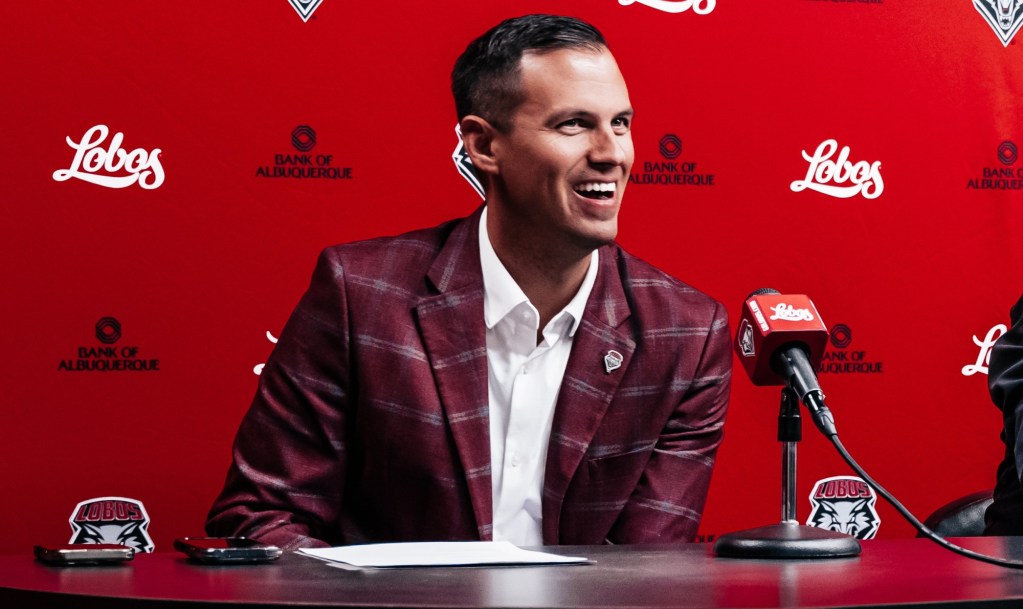
The University of Colorado (CU) has appointed Fernando Lovo as its new athletic director, tasked with addressing pressing challenges within the athletic department, particularly regarding football coach Deion Sanders. Lovo, previously at the University of New Mexico, officially begins his role on March 1, 2024, following a period of significant change and heightened expectations for CU’s sports programs.
At just 37 years old, Lovo arrives at CU after a successful tenure at New Mexico, where he oversaw a remarkable 17.6% increase in athletic department revenue. He played a pivotal role in hiring football coach Jason Eck, leading to the Lobos’ first nine-win season since 2016, and he also brought in Eric Olen to head the basketball program. His experience positions him as a promising leader in a time when the financial landscape of college sports is shifting rapidly.
Accountability and Expectations for Sanders
Lovo’s immediate priority will be to hold Coach Sanders accountable for the football program’s performance. After securing a substantial contract extension worth $54.5 million last March, Sanders faces mounting pressure following a disappointing 3-9 season. Despite his past successes, including attracting significant media attention and a surge in student applications, the program’s recent record has raised concerns among fans and donors alike.
Donors, who play a crucial role in funding the athletic department, may soon grow weary if results do not improve. CU is grappling with a projected $27 million budget deficit for the fiscal year ending in June 2026, a situation exacerbated by Sanders’ high salary and the team’s lack of success. While the coach has taken responsibility for the previous season’s shortcomings, Lovo will need to ensure that actions speak louder than words as the program seeks to rebound.
Sanders, who has faced personal health challenges, has been given considerable leeway by some supporters. Yet, as the highest-paid employee in the state, he must demonstrate a commitment to turning the program around. Following the season, several key players have entered the transfer portal, further complicating the situation and highlighting the need for a more sustainable recruitment strategy.
Strategic Changes Needed for Future Success
To navigate these challenges, Lovo must engage Sanders in candid discussions about the future direction of the football program. The current approach, which heavily relies on the transfer portal, has proven insufficient, particularly as other schools are now employing similar strategies with greater financial backing. For CU to regain its competitive edge, Lovo may need to encourage Sanders to cultivate stronger relationships within the local recruiting landscape.
Sanders’ charismatic personality is an asset, yet CU has only secured one top recruit from the state since his arrival. Lovo may need to advocate for Sanders to be more visible off-campus, meeting with high school coaches and prospective players. The importance of establishing these connections cannot be overstated, as they are vital for building a successful program.
Furthermore, Lovo must address the structural issues within the coaching staff. History shows that Sanders has struggled to maintain stability, having changed coordinators multiple times in just three seasons. A more cohesive and strategically robust coaching staff could enhance the team’s performance and recruitment efforts.
As Lovo steps into his new role, his ability to manage expectations and guide Sanders toward a more effective blueprint will be crucial. With the right adjustments and a commitment to improvement, CU’s athletic programs can aspire to a more prosperous future.