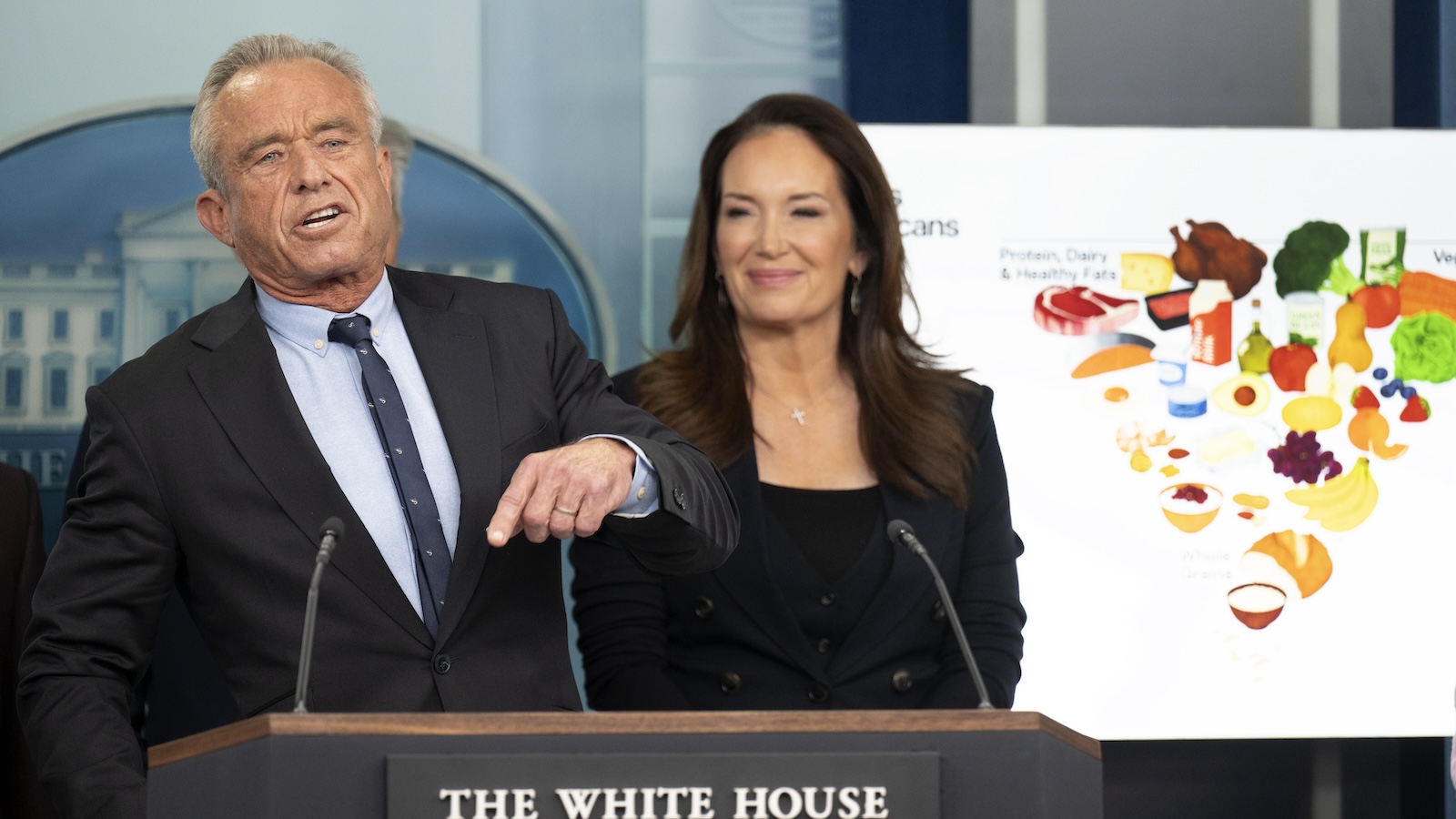
Health Secretary Robert F. Kennedy Jr. and Agriculture Secretary Brooke Rollins recently introduced updated national dietary guidelines, presenting them in an unconventional format: an inverted food pyramid. This visual emphasizes a stark shift in focus, placing a small amount of whole grains at the bottom while showcasing protein, dairy, and “healthy fats” on the left and fruits and vegetables on the right. Promoted under the campaign “Make America Healthy Again,” these guidelines aim to encourage the consumption of nutrient-dense whole foods while discouraging highly processed items.
While many nutrition experts have welcomed the emphasis on whole foods, concerns have emerged regarding the increased focus on protein. Critics, including organizations like the American Heart Association, highlight potential health risks associated with higher consumption of saturated fats found in animal protein sources such as beef and full-fat dairy products. These dietary recommendations come at a time when climate scientists warn that significant reductions in greenhouse gas emissions from the food system—particularly livestock and seafood production—are crucial to meet the targets established by the Paris Agreement.
Criticism of the New Dietary Focus
The updated guidelines have faced scrutiny from nutrition professionals, particularly for the perceived influence of the meat and dairy industries on the advisory committee. At least four members of the panel have ties to these sectors, leading to accusations of bias in the recommendations. Sam Kass, a former chef and nutrition advisor to President and First Lady Obama, described the inverted food pyramid as an “ecological disaster.” He emphasized the environmental impact of promoting increased meat and dairy consumption, noting that beef production is a leading contributor to deforestation and land use change globally.
Kass articulated that the new guidelines reflect a troubling trend of ideology over science in policy-making. He pointed out that the guidelines encourage high consumption of saturated fats while maintaining that these fats should not exceed 10 percent of daily caloric intake. This contradiction raises questions about the feasibility of following the guidelines without exceeding recommended limits.
Implications for Health and Climate
Kass further criticized the lack of acknowledgment of climate change’s threat to human health in the dietary recommendations. He argued that the administration’s stance on promoting health while ignoring climate considerations is fundamentally flawed. The guidelines, which advocate for increased meat consumption, fail to address the pressing need for sustainable food practices and the reduction of emissions from the food system.
Consumers are encouraged to rethink their dietary choices in light of these discussions. Kass emphasized that reducing meat consumption remains one of the most effective actions individuals can take to mitigate climate change. He highlighted the benefits of incorporating more plant-based proteins, such as legumes, into diets. Not only are beans nutrient-dense and affordable, but they also have a significantly lower environmental impact compared to animal-based proteins.
As the conversation around dietary guidelines evolves, Kass urges a shift in focus. He believes that promoting “real food” should not disproportionately favor meat and dairy but instead include a broader spectrum of sustainable options. The challenge remains to communicate these guidelines effectively to the public, ensuring that they resonate with the realities of many Americans who may not have access to diverse food choices.
The debate surrounding dietary guidelines underscores the complex interplay between nutrition, health, and environmental sustainability. As discussions continue, the implications of these recommendations will likely influence public health policies and consumer choices moving forward.