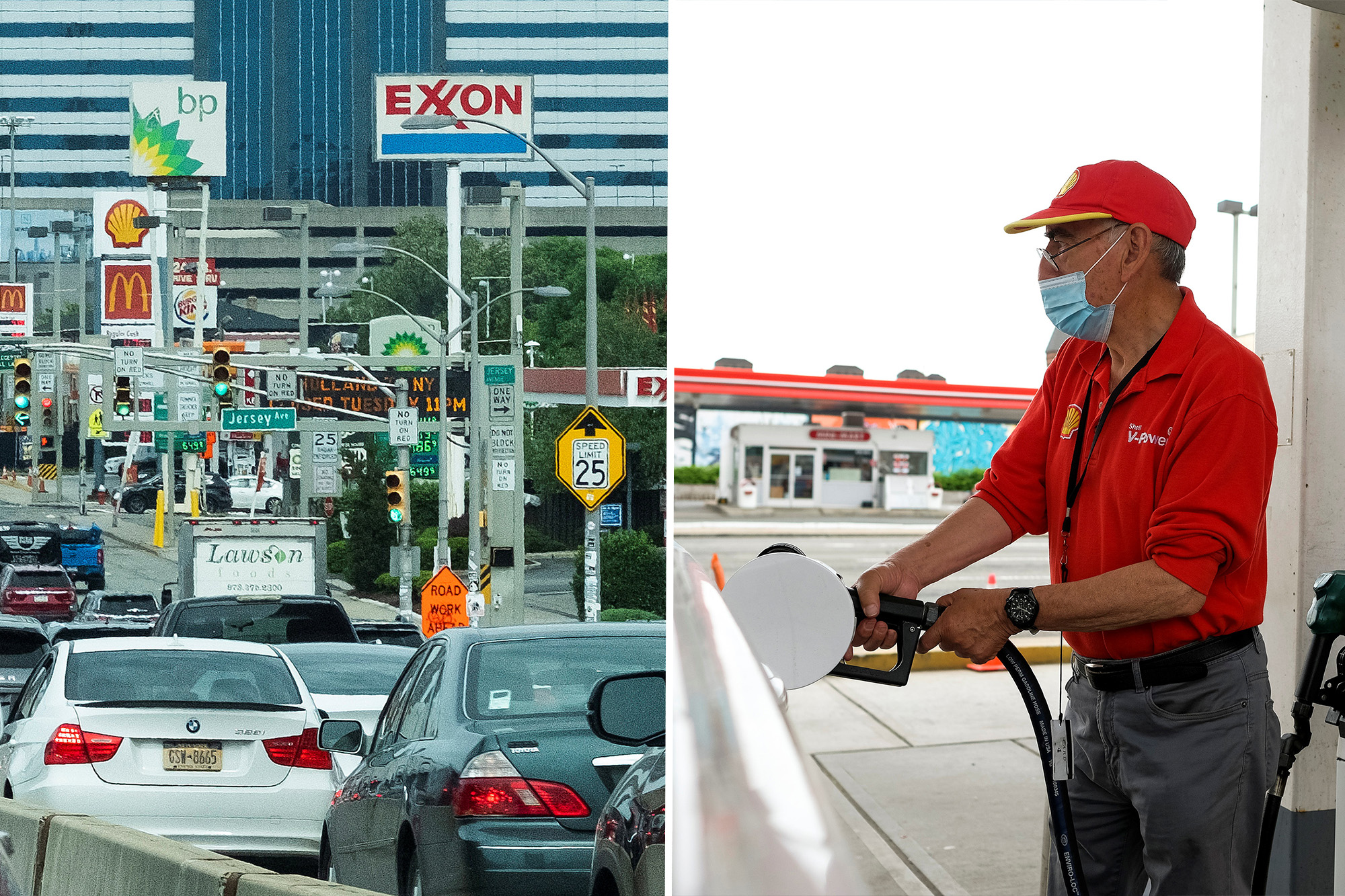
New Jersey drivers will face a nearly 9% increase in the state gas tax starting January 1, 2025. This adjustment raises the tax by 4.2 cents, bringing the total to 49.1 cents per gallon for gasoline and 56.1 cents for diesel. As a result, the average driver can expect to pay approximately $27 more per year, equating to a total state gas tax burden of about $320 annually.
The increase stems from legislation signed into law by outgoing Governor Phil Murphy in 2024. New Jersey, which is notable for being the only state that prohibits self-service gas pumps, consistently ranks among the highest in gas tax rates nationwide. According to the Institute for Energy Research, the state’s gas tax puts it in the top tier of national rates, with an average of 2.833 USD per gallon reported by the American Automobile Association on New Year’s Eve, slightly below the national average of 2.839 USD.
Impact of the Gas Tax Increase
The decision to raise the gas tax is significant, particularly as it is part of a broader plan to generate approximately $11 billion for vital infrastructure projects over the next five years. The funds will primarily support improvements to roads and bridges across the state. Despite the high rates, New Jersey’s overall gasoline prices currently place it in the middle range compared to other states, according to the Tax Foundation.
Alex Stevens, manager of policy and communications at the Institute for Energy Research, noted that New Jersey’s geographical position near high-demand areas contributes to its gas price dynamics. He stated, “Even with the high gas tax, the gas prices in the state are mostly a consequence of the existing infrastructure.”
The state’s gas tax, while generating substantial revenue, raises questions about fiscal management. Stevens pointed out that despite high collections from the gas tax, New Jersey ranks poorly in capital and bridge expenditures, as highlighted by the Reason Foundation, which placed the state at 39th in overall spending efficiency.
Political Reactions and Future Projections
The increase has drawn criticism from various political figures. Nellie Pou, a key supporter of the legislation, has faced backlash, particularly from Republican opponents. National Republican Congressional Committee spokesperson Maureen O’Toole stated, “Another year, another cost-of-living increase for New Jersey families, and they have Nellie Pou to thank.” She emphasized that this tax hike directly impacts working individuals by increasing commuting and living costs.
Originally, the gas tax was expected to rise by around 2 cents. However, a significant drop in actual consumption compared to fiscal year 2023 led to a larger increase. The state aims to offset budgetary shortfalls through this adjustment, revealing a complex interplay between consumption trends and fiscal policy.
As gas prices across the nation trend downward—encouragingly returning to pre-pandemic levels—New Jersey’s situation highlights the ongoing challenges faced by drivers in the state. With infrastructure funding at stake, the implications of this tax increase will likely resonate with residents as they navigate both gas prices and overall living costs in the months ahead.