Proposed changes to the Los Angeles city charter could significantly enhance oversight of the Los Angeles Police Department (LAPD) and empower the department’s chief to terminate officers with problematic records. Activists have long advocated for these reforms as part of a broader push for police accountability. The Charter Reform Commission recently approved recommendations that aim to reshape the relationship between elected officials and the LAPD, setting the stage for potential voter decisions in the upcoming November ballot.
Among the key proposals is a measure that would automatically enact any accountability motion or ordinance adopted by the City Council if the Police Commission fails to act within 60 days. This would allow for more immediate accountability measures, streamlining the process for holding officers responsible for misconduct. Another significant recommendation would permit city leaders to override decisions made by the Police Commission, which is responsible for overseeing LAPD policies and budget.
With criticism mounting against the LAPD for a rise in officer-involved shootings, several initiatives focus on enhancing accountability concerning the use of deadly force. One such proposal mandates that the LAPD acquire a minimum of $1 million in liability insurance for its approximately 8,700 officers. This insurance would cover legal costs in cases where officers are found liable for wrongful injuries or deaths, thereby alleviating pressure on the city’s General Fund.
Currently, the police chief lacks the authority to terminate officers directly. Instead, severe cases of misconduct are referred to disciplinary panels, which can result in lighter penalties. The new proposals would allow the police chief to initiate the removal of officers with documented histories of misconduct, with the City Council retaining the power to override any decision not to fire an officer. Officers would still have the right to appeal through the courts.
The reforms come after Mayor Karen Bass vetoed a similar effort to modify the disciplinary process in 2024. Despite this, the latest proposals have sparked cautious optimism among advocacy groups. Godfrey Plata, deputy director of the nonprofit L.A. Forward, hailed the changes as a “huge victory” in the pursuit of police accountability. He noted, “Months ago, police reform wasn’t even on the Charter Commission’s to-do list. Today, because community members came together to force conversations that likely never would have happened on their own, we have multiple reforms headed to City Council.”
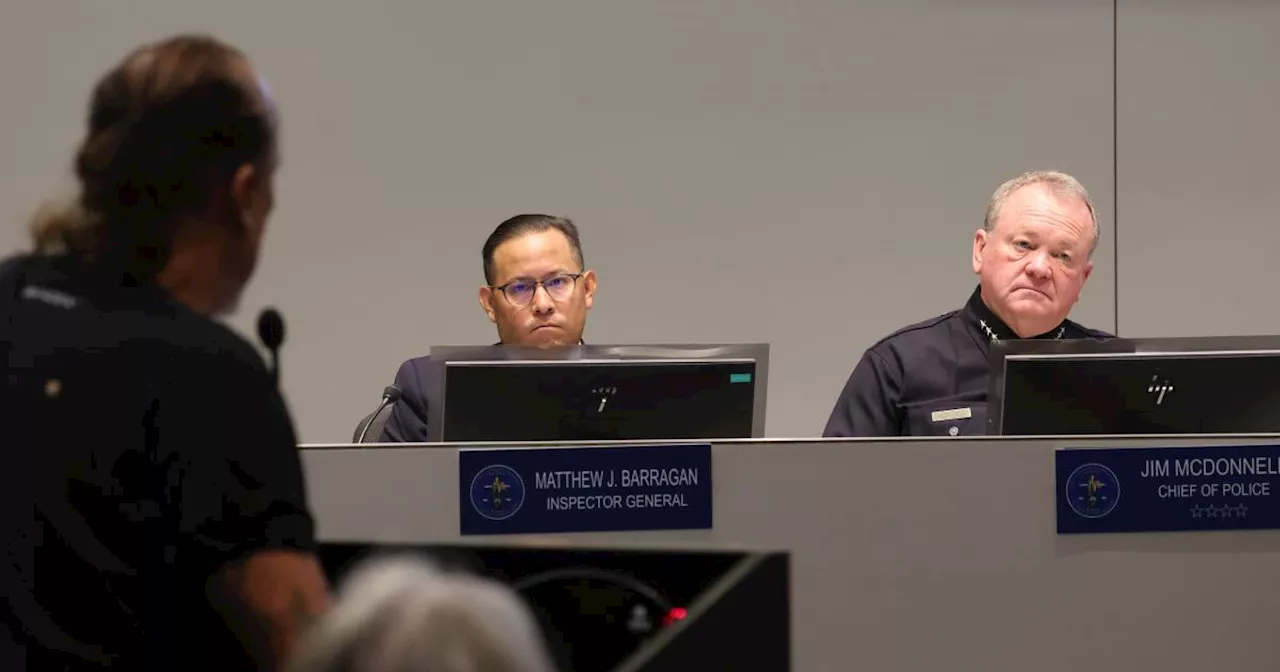
The LAPD and the Police Commission issued statements expressing their intent to collaborate with the City Council on the charter reform process. An LAPD spokesperson refrained from commenting on Chief Jim McDonnell‘s stance, stating it was not appropriate to share opinions while the matter remains under discussion by the full council.
Political consultant Samantha Stevens expressed concerns that the proposed changes may introduce additional bureaucracy rather than effectively addressing police misconduct. “If we don’t like how they’re running things, we should replace the commissioners,” she remarked. “I don’t know that this will be as effective when you’ve got 15 council members now telling LAPD what to do in their own districts. Is that now too many cooks in the kitchen?”
The Charter Reform Commission has been working since last July and must submit all recommended changes to the City Council by April 2, 2024. If successful, these reforms could lead to significant shifts in how the LAPD operates and is held accountable by both elected officials and the public.