New York City’s housing landscape is at a crossroads as Mayor-elect Zohran Mamdani engages with real estate leaders to address the urgent need for affordable housing. In a recent meeting, Mamdani emphasized the necessity of reducing the timeline for getting New Yorkers into homes they can afford. His vision aims to support working- and middle-class individuals who contribute to the city’s economy, amidst a backdrop of rising housing costs and ongoing debates about what “affordable” truly means.
As discussions continue, the term “affordable” has become a focal point of contention. Critics argue that it has strayed from its original meaning, which traditionally referred to housing that middle-income families could financially manage. Mitchell L. Moss, a professor of urban policy and planning at New York University, highlights that the current application of the term often serves political agendas rather than the needs of the city’s residents. In the past decade, New York City has seen the creation of approximately 331,430 new homes, primarily intended for middle-income tenants, according to the Department of City Planning.
Many recent housing projects have emerged as a response to the growing demand for affordable living spaces. These developments, spurred by rezonings and tax incentives, have transformed areas such as Long Island City, Brooklyn, and Jamaica in Queens into new residential hubs. The success of these initiatives is evident, with many units offered at market rates, appealing to families and individuals who may not be wealthy but seek stability in their living situations.
Challenges and Opportunities in Housing Development
Despite the progress, Mamdani’s administration faces challenges, particularly in addressing the needs of the most vulnerable populations. Critics have voiced concerns that the focus on middle-income tenants may overshadow the pressing issues faced by the homeless community. Some advocates argue that the city’s efforts should prioritize permanent housing solutions for those experiencing homelessness, rather than solely promoting market-rate developments.
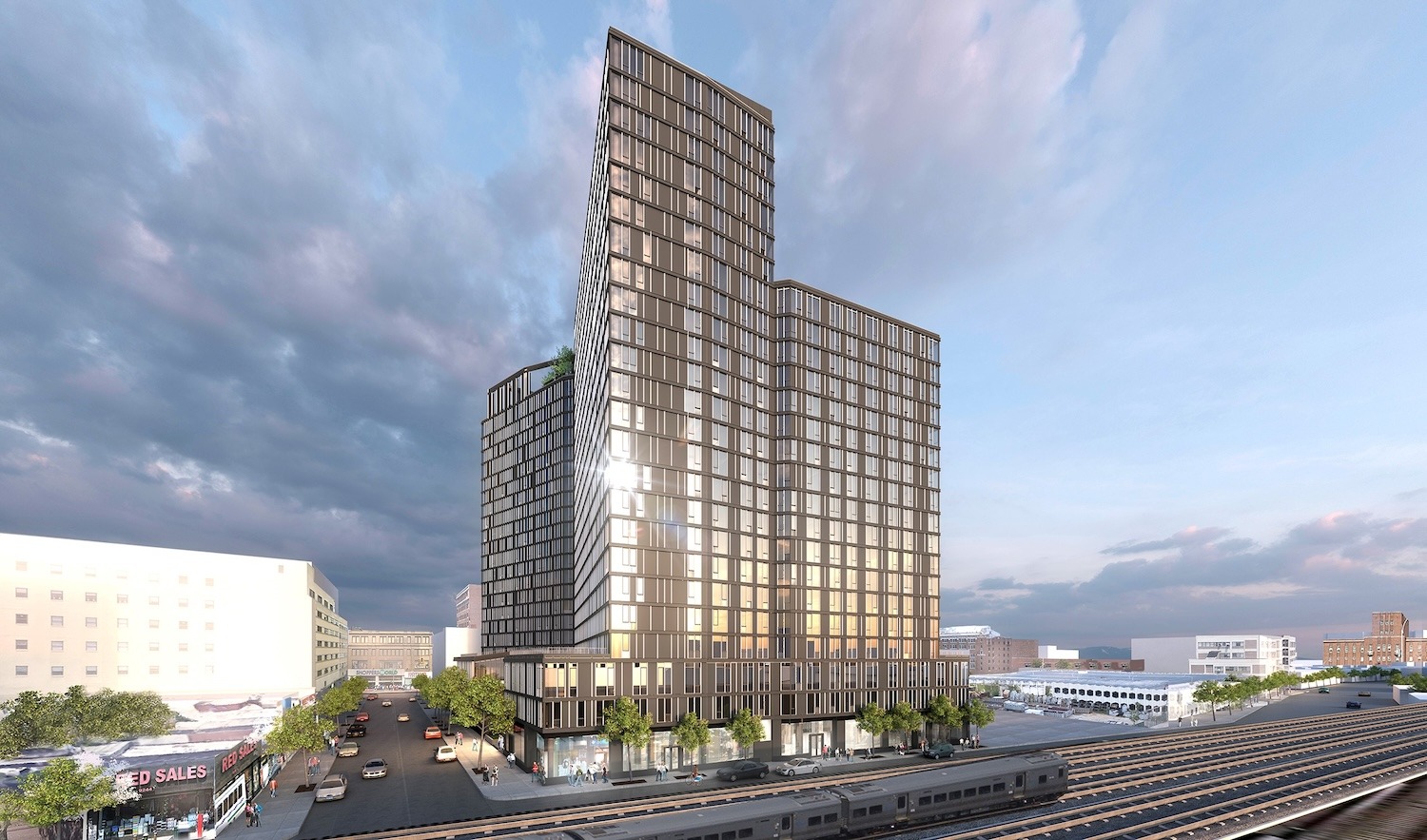
For instance, the Monarch, a 24-story rental building in Jamaica, features 605 apartments, with 182 units designated for individuals earning between 80% and 130% of the median area income. However, a significant portion—approximately 70%—are rented at market rates, which some argue detracts from the goal of providing affordable housing for all New Yorkers.
The evolving landscape of New York City’s housing market has sparked discussions about gentrification and its impact on long-standing communities. Some residents express concerns that new developments could displace existing neighborhoods and small businesses. Yet, others view these changes as an opportunity for revitalization, bringing economic growth and stability to areas historically associated with crime and neglect.
Moss asserts that the current administration’s “City of Yes” initiative could lead to the development of an additional 100,000 apartments over the next five years. This ambitious plan aims to eliminate bureaucratic hurdles that have previously hindered housing construction, potentially increasing the availability of affordable units across the city.
Looking Ahead: The Future of Affordable Housing
As the conversation around housing continues, it is essential for stakeholders to find common ground. Balancing the needs of middle-income families with those of vulnerable populations will require thoughtful policy-making and collaboration between government officials, housing advocates, and community members.
Mamdani’s administration will need to navigate these complex issues carefully. The path forward involves ensuring that developments genuinely serve the interests of working-class New Yorkers while also addressing the pressing needs of those without stable housing. As the city evolves, the definitions and expectations surrounding affordable housing must also adapt to reflect the realities of its diverse population.
Ultimately, the challenge lies in fostering an inclusive housing policy that benefits all New Yorkers, supporting a community where everyone can thrive. The efforts to create a sustainable and affordable housing market will significantly impact the city’s future and the lives of its residents.