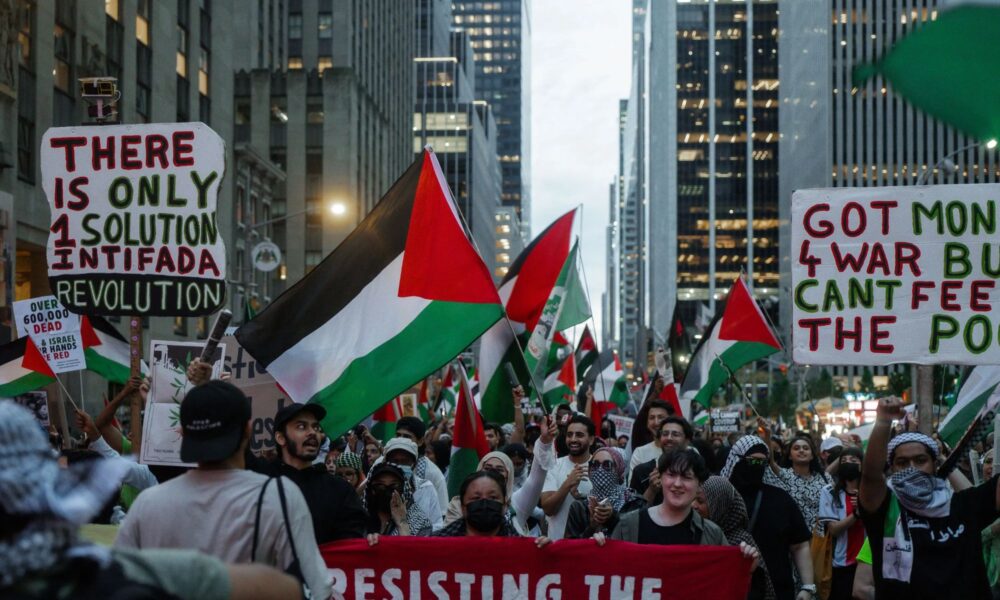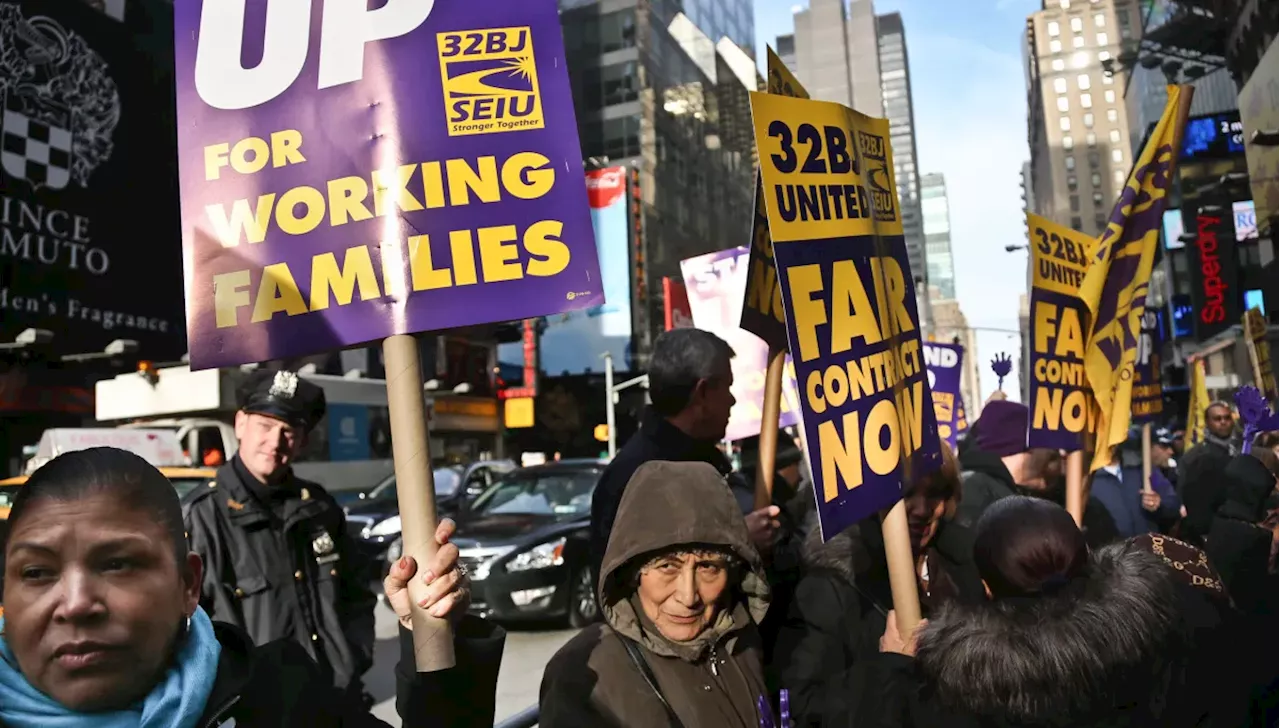
New York City unions have played a significant role in supporting the government of Nicolás Maduro in Venezuela, a relationship that has drawn scrutiny and criticism. Earlier this month, the city became a focal point for pro-Maduro sentiment in the United States, an alignment that reflects the long-standing ties between the New York labor movement and the Venezuelan regime. Union leaders have been instrumental in promoting Maduro’s image internationally, often overlooking the regime’s controversial practices.
In the lead-up to Venezuela’s 2017 elections, amid widespread protests and accusations of authoritarianism, Maduro’s government invited a delegation of American labor leaders to observe the voting process. This was widely viewed as an attempt to legitimize the electoral process, which critics argued was a means to undermine Venezuela’s remaining democratic institutions. The opposition in Venezuela boycotted the elections, which were marred by allegations of coercion and irregularities, ultimately showing a dismal turnout of just 11.3%.
Despite these serious concerns, union leaders from New York, including those from the 1199 SEIU, publicly endorsed the elections. They provided positive interviews to Telesur, a state-sponsored media outlet in Venezuela. Estela Vazquez, then-executive vice president of the 1199 SEIU, claimed, “99% of the Venezuelans support the process,” a statement that contradicted independent observers’ findings. “The participation was impressive,” she added, despite reports indicating significant absenteeism.
Judy Gonzalez, who was president of the New York State Nurses Association during the elections, praised the alleged transparency of the electoral process. “I’ve been through a lot of union elections; I know what to look for when there’s cheating. I didn’t see any cheating,” she stated. Similarly, John Patafio, then-vice president of the Transport Workers Union, echoed her sentiments, asserting that the process appeared open and community-controlled.
The endorsement of Maduro’s elections by these labor leaders has sparked criticism from various quarters. Charlyce Bozzello, communications director at the Center for Union Facts, remarked, “All credibility goes out the window when you beat the drum for workers’ rights in the U.S. while simultaneously applauding an oppressive leader in Caracas.” She emphasized that workers everywhere deserve fair elections and free speech without the threat of imprisonment.
Following the controversial elections, the United States imposed sanctions on Venezuela, further complicating the relationship between the two nations. Numerous labor union leaders became signatories to a letter from the Alliance for Global Justice, a left-wing nonprofit, which criticized U.S. actions against Maduro. Among the signatories were prominent figures from various unions, including Vazquez and representatives from the United Electrical Workers and the United Steelworkers Union.
In September 2015, a photograph emerged showing Maduro meeting with a group of New York City union leaders in Harlem, further solidifying the connection between the labor movement and the Venezuelan regime. An image of a document surfaced, indicating that the 1199 SEIU held a “People of African Descent Leadership Summit” on the same date Maduro was in attendance. The document, published by the Venezuelan Embassy, referred to Maduro as “his excellency,” underscoring the political ties.
Even the AFL-CIO, the largest labor union in the United States, has publicly condemned the U.S. for its actions against Maduro’s government. The support from these unions raises significant questions about their positions on global labor rights and democratic processes. As unions advocate for workers’ rights domestically, the duality of endorsing a regime known for its repression complicates their credibility on the international stage.
As the situation in Venezuela continues to evolve, the implications of these unions’ support for Maduro will likely remain a contentious topic within both the labor movement and broader political discourse in the United States.