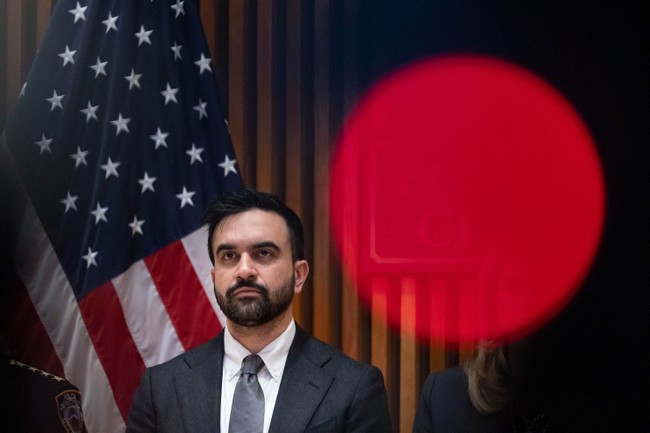
New York City Mayor Zohran Mamdani has unveiled a new initiative offering free childcare services, which he claims is accessible to all families, including undocumented immigrants. Announced in January 2026, this program aims to provide support for young children across the city, irrespective of their parents’ immigration status.
During a recent press conference, Mayor Mamdani emphasized that programs such as 3-K and pre-K will be available to all children in New York City without requiring verification of immigration status. He noted that a new pilot program catering to children under two years old will follow the same policy. This approach has sparked significant debate within the community and beyond.
Critics argue that the initiative may prioritize undocumented families at the expense of citizens. Some have raised concerns regarding the allocation of resources, questioning the rationale behind providing support for those who may not be contributing to the tax system. As the city grapples with budgetary constraints, opponents suggest that taxpayer dollars should not fund services for undocumented residents.
In response to these criticisms, supporters of the program point to the broader benefits of early childhood education. They contend that investing in childcare can lead to long-term advantages for society, including improved educational outcomes and reduced future costs associated with social services.
The debate over this initiative is emblematic of a larger national discussion on immigration and social support systems. As cities across the United States consider similar measures, the implications of such policies are being closely monitored. Many are questioning how these programs will be funded and whether they will lead to increased financial strain on local governments.
While some commenters have expressed skepticism about the program’s effectiveness and potential for abuse, others see it as a necessary step towards inclusivity in social services. The controversy continues to unfold as various stakeholders weigh in on the implications of Mayor Mamdani’s plan.
As this initiative develops, it remains to be seen how it will impact both undocumented families and taxpayers in New York City. The mayor’s commitment to universal access to childcare reflects an ongoing commitment to addressing the needs of all residents, though the approach has ignited strong reactions across the political spectrum.
The future of childcare in New York City will undoubtedly remain a contentious topic as residents and policymakers grapple with its social and economic implications.